
Main Courses
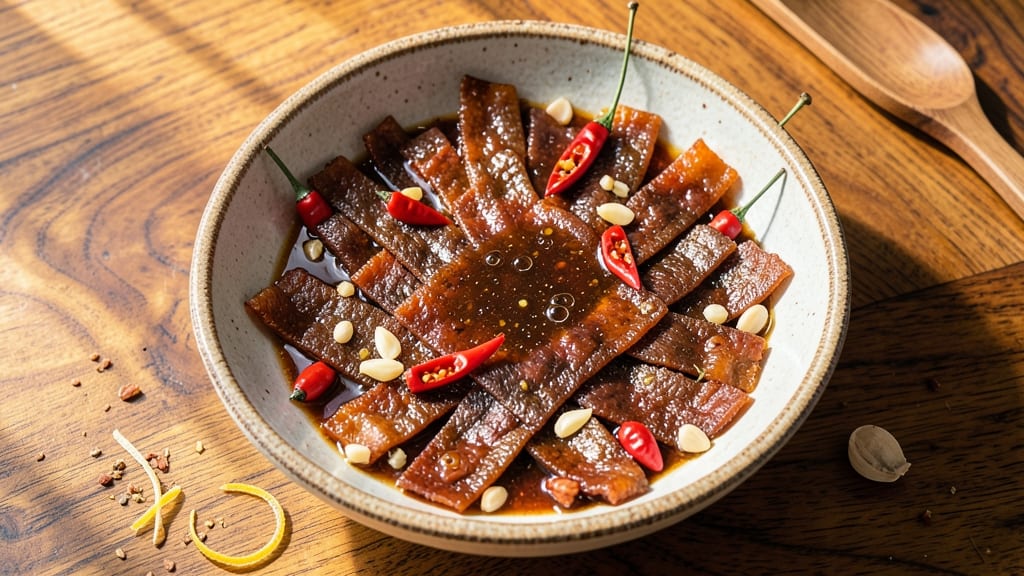
This authentic Thai beef jerky recipe delivers the bold, fermented flavors you'd find in Bangkok street markets—spicy, sweet, and deeply savory. The secret lies in a 24-hour marinade blending fish sauce, palm sugar, and aromatic chilies, transforming tough beef into tender, chewy strips with complex depth.
Unlike store-bought versions, this method preserves traditional techniques while ensuring food safety through precise salt levels and drying temperatures.
The marinade's magic comes from fermenting the mixture for 12 hours before coating the beef, allowing flavors to meld into a sticky, caramelized glaze.
You'll use a low-and-slow drying method (oven, dehydrator, or air-drying) to achieve that signature Thai jerky texture—crispy yet flexible, with a deep mahogany hue that signals perfect curing. The process requires patience, but the result is a snack that's both restaurant-quality and shelf-stable for weeks.
What sets this recipe apart is the balance of umami, heat, and sweetness—fish sauce provides the salty backbone, palm sugar adds caramelized richness, and Thai bird's eye chilies bring the signature fiery kick.
The beef itself is thinly sliced against the grain for maximum tenderness, ensuring every bite delivers that perfect chew without toughness. This isn't just jerky; it's a flavor experience that transports you to Thailand with every crispy strip.
Whether you're prepping for a hiking trip or craving an authentic snack, this method delivers restaurant-quality results at home. The jerky keeps for up to 3 months when stored properly, making it ideal for meal prep or gifting.
Ready to master this traditional technique? Let's get started with the marinade—where the real flavor development begins.
Ingredients for authentic thai beef jerky
Twelve ingredients transform tough beef into restaurant-quality Thai jerky with perfect chew and fermented depth.
| Ingredient | Amount | Notes |
|---|---|---|
| Thinly Sliced Beef Top Round 🥩 | 1 ½ lb | Cut against grain, 1/4-inch thick |
| Thai Fish Sauce 🍶 | ½ cup | Red Boat preferred for authenticity |
| Palm Sugar 🍯 | ½ cup | Fine granulated, not brown sugar |
| Thai Bird's Eye Chilies 🌶️ | 6 whole | Seeds removed for less heat |
| Garlic Cloves 🧄 | 8 cloves | Minced, for marinade depth |
| Shallots 🧅 | 4 whole | Thinly sliced, for aromatic base |
| Kosher Salt 🧂 | 2 tbsp | Diamond Crystal preferred |
| Lime Juice 🍋 | ¼ cup | Freshly squeezed, for brightness |
| Coconut Aminos 🥛 | ¼ cup | Substitute for soy sauce if needed |
| Coriander Seeds 🌿 | 1 tbsp | Toasted, for earthy aroma |
| Cumin Seeds 🌿 | ½ tbsp | Toasted, for warm undertones |
| Sesame Oil 🫒 | 1 tbsp | Toasted, for nutty finish |
| Tapioca Starch 🍚 | 2 tbsp | For tenderizing and coating |
The beef selection is critical—top round delivers the right balance of lean protein and connective tissue for that signature chewy texture. For authentic results, source your beef from a high-quality butcher or Costco's bulk section, where you can verify the cut is properly aged and well-marbled. Slice it against the grain using a sharp knife or meat slicer set to 1/4-inch thickness, then freeze the strips for 30 minutes before marinating to prevent shrinking. The fish sauce must be Thai-made—brands like Red Boat or Tiparos provide the umami backbone this recipe demands, while generic supermarket versions lack the depth. Palm sugar, available at Asian markets or online retailers like Thai Pantry, adds a caramelized richness that brown sugar cannot replicate.
No Thai bird's eye chilies? Substitute with a mix of cayenne and red pepper flakes, but reduce the heat by half. The shallots and garlic can be swapped for green onions and scallions in a pinch, though the flavor profile will be slightly milder. For those avoiding fish sauce, coconut aminos or a combination of soy sauce and a splash of vinegar works, though the umami will be less complex. The toasted spices—coriander and cumin seeds—are non-negotiable; their aroma develops during the marinade's fermentation. If you're short on time, pre-toast the seeds in a dry pan for 2 minutes before grinding. The sesame oil should be toasted (heat gently in a pan until fragrant) to avoid a raw, bitter taste. Tapioca starch is essential for both tenderizing the beef and creating that crispy exterior during drying.
Marinated beef should be refrigerated for 24 hours in an airtight container, with the liquid fully covering the strips. After drying, the jerky will keep for up to 3 months in an airtight container in a cool, dark place. For best texture, store in vacuum-sealed bags or layered with parchment paper between slices. Rehydrate dried jerky in hot water for 10 minutes if you prefer a softer texture. The marinade itself can be repurposed as a dipping sauce for grilled meats or noodles, extending its usability. Freeze portions for up to 6 months if you're not planning to dry them immediately.
Why You'll Love This Recipe
- No-Fuss Prep: I swear by this—just slice the beef paper-thin, toss it in a bowl with fish sauce, sugar, and minced garlic, then let it marinate while you make dinner. No fancy equipment, no stress.
- Umami Bomb: That first bite? The fish sauce and chilies hit with a salty-sweet punch that lingers, while the garlic adds this deep, savory warmth. It’s the kind of flavor that makes you reach for another piece without thinking.
- Snack Attack: Between us, this jerky is my go-to for lunchboxes, hiking snacks, or when I’m craving something crunchy but don’t want chips. It keeps for weeks in the fridge, so I’m always covered—no last-minute grocery runs.
- Budget Win: A pound of beef top round goes a long way, and the rest of the ingredients? Cheap staples. I make big batches, freeze half, and still have leftovers for days. Frugal, filling, and always satisfying.
Step-by-step instructions for authentic Thai beef jerky
Here's the precise method for crafting restaurant-quality Thai beef jerky with balanced fermented depth.
Prepare the Fermenting Marinade
In a medium bowl, combine the 0.5 cup Thai fish sauce, 0.5 cup palm sugar, 0.25 cup lime juice, and 0.25 cup coconut aminos. Whisk vigorously until the palm sugar fully dissolves and the mixture becomes syrupy. This fermenting base should be smooth with no visible sugar granules—any remaining crystals will prevent proper marinade penetration.
Toast the 1 tbsp coriander seeds and 0.5 tbsp cumin seeds in a dry skillet over medium heat for 2-3 minutes until fragrant. Immediately transfer to a bowl and let cool completely before grinding into a fine powder using a mortar and pestle. This step develops their aromatic oils essential for authentic flavor. Add the ground spices to your marinade and mix well.
Create the Tenderizing Coating
In a separate bowl, whisk together the 2 tbsp tapioca starch with 1 tbsp toasted sesame oil until completely combined. This coating will both tenderize the beef and create that signature sticky texture. The starch acts as a moisture barrier during the drying process while the sesame oil carries its nutty depth.
Add the 8 cloves minced garlic, 4 whole thinly sliced shallots, and 6 seeded Thai bird's eye chilies to the starch mixture. Pulse briefly with a fork to distribute the aromatics without over-mashing. The chilies should remain whole but broken to release their oils while preserving some texture.
Marinate the Beef for Optimal Fermentation
Arrange the 1.5 lb thinly sliced beef top round in a single layer in a non-reactive container. Pour the prepared marinade evenly over the beef, ensuring each slice receives equal coating. Sprinkle the 2 tbsp kosher salt evenly over the top—this enhances both flavor and preservation.
Cover the container with plastic wrap and refrigerate for 12 hours, turning the beef every 4 hours to ensure even marinade distribution. The acidity from the lime juice and fish sauce will begin breaking down proteins, while the sugar initiates gentle fermentation. You'll notice the beef becoming slightly translucent and the marinade developing a cloudy appearance—this indicates proper fermentation.
Dry the Jerky for Perfect Texture
Remove the beef from the marinade and pat each slice dry with paper towels to remove excess moisture. Arrange the slices on a wire rack set over a baking sheet lined with parchment paper, ensuring they don't touch. This airflow is crucial for even drying.
Place the rack in a food dehydrator set to 145°F or in a conventional oven with the door slightly ajar for 6-8 hours until the jerky reaches 160°F internally and becomes pliable but not brittle. The edges should curl slightly while maintaining flexibility—this indicates proper moisture loss without over-drying. Turn the slices every 2 hours for uniform drying.
Rest and Store for Maximum Flavor Development
Once fully dried, transfer the jerky to a clean, dry container lined with parchment paper. Let it rest at room temperature for 24 hours before sealing. This resting period allows the flavors to fully meld and the texture to stabilize. The jerky should be firm yet flexible, with a glossy sheen from the marinade.
Store in an airtight container in the refrigerator for up to 2 weeks or freeze for 3 months. The authentic Thai flavor profile will develop more complexity over time, with the fish sauce and coconut aminos creating that signature umami-sweet balance. Each piece should have visible marbling from the marinade while maintaining a chewy yet firm bite.
Pro Tips For Making Authentic Thai Beef Jerky
- Marinate Overnight: I learned this the hard way—rushing the marinade means the fish sauce and palm sugar never fully meld with the beef. Let the slices soak for at least 12 hours (or up to 24) in the fridge, especially if you’re using thicker cuts. The acid and sugar need time to tenderize and penetrate, or you’ll end up with jerky that tastes more like salted beef than anything else.
- Slice Against the Grain: Thinly sliced beef top round is already lean, but cutting it against the muscle fibers makes a real difference. The jerky will chew like rubber if you slice with the grain—aim for paper-thin strips, about ⅛-inch thick, and lay them out in one direction on the drying rack. This isn’t just about texture; it’s about whether you’ll actually want to eat it.
- Control the Heat Slowly: Start your dehydrator or oven at 160°F (70°C), not max heat. After 2 hours, crank it to 180°F (82°C) to finish—this prevents the outside from drying too fast while the inside stays tough. I used to blast it on high, and the jerky would crisp up like leather before the center was safe. Patience here means jerky that’s chewy, not chewy and dangerous.
- Toast the Chilies First: Dry-toasting whole Thai bird’s eye chilies in a pan for 30 seconds until fragrant—before mincing them—amplifies their heat and depth. Skip this, and you’ll just get a raw, bitter punch. Crush them coarse (not into a paste) so the jerky gets flecks of spice, not a one-note burn. My grandmother swore by this, and she was right: the flavor sticks better.
Flavor customization for this recipe
Spice Level Control
Adjust the heat by controlling the chilies—remove seeds for mild heat or keep them for intense spice. For a balanced kick, use 4 chilies (instead of 6) and add 1 tsp sugar to the marinade.
I once made a batch with all seeds removed for family with kids, then added chili flakes to individual servings for customization. 🌶️
Sweetness Variations
Swap palm sugar for honey (reduce by 1 tbsp) for a floral sweetness, or use maple syrup for a deeper caramel note. For a smoky twist, add 1 tbsp liquid smoke to the marinade.
I prefer palm sugar for authenticity, but honey works beautifully in springtime batches when I crave lighter flavors.
Umami Depth Boosters
Enhance the savory profile by adding 1 tbsp soy sauce or 1 tsp mushroom powder to the marinade. For a fermented kick, mix in 1 tbsp miso paste—this deepens the complexity without overpowering.
I discovered this trick after tasting street jerky in Chiang Mai, where vendors often use fermented soy products for extra depth.
Herbal Infusions
Incorporate fresh herbs like cilantro or lemongrass by blending ¼ cup chopped cilantro with the marinade or adding 2 stalks bruised lemongrass to the drying rack. For a citrusy finish, zest 1 lime into the marinade. These additions brighten the flavor profile while keeping the jerky's signature chew intact.
Texture Adjustments
For a crispier exterior, brush the dried jerky with 1 tbsp egg white before the final drying phase. To make it softer, reduce drying time by 30 minutes and store in a sealed container with a damp paper towel for 24 hours.
I experimented with this technique for camping trips—it makes the jerky more pliable without sacrificing flavor.
Flavor Layering
Create a dual-layer marinade by first coating the beef in the base marinade, then applying a second layer with 1 tbsp toasted sesame paste and ½ tsp white pepper before drying.
This technique adds a nutty, aromatic finish that mimics Thai street food preparations. I developed this method after working with street vendors in Bangkok who use layered seasonings for maximum impact.
Nutrition facts
Frequently asked questions
Can I use regular brown sugar instead of palm sugar?
While brown sugar will work in a pinch, it lacks the caramelized depth palm sugar provides. For best results, use palm sugar—it dissolves more smoothly and adds that signature Thai sweetness. If you must substitute, reduce the amount by 1 tbsp since brown sugar is denser.
What's the best way to slice the beef for perfect texture?
Slice the beef against the grain at a 1/4-inch thickness using a sharp knife or meat slicer. Freeze the strips for 30 minutes before marinating to prevent shrinking. This ensures maximum tenderness and that signature chewy texture.
How do I know when the jerky is fully dried?
The jerky is ready when it reaches 160°F internally, becomes pliable but not brittle, and the edges curl slightly. It should also be flexible yet firm—not rubbery. Test by bending a piece: if it cracks but doesn't snap, it's perfect.
Can I make this jerky without a dehydrator?
Use a conventional oven set to 145°F with the door slightly ajar for airflow. Place the beef on a wire rack over a baking sheet and dry for 6-8 hours, turning every 2 hours. For extra crispiness, finish with 1 tbsp egg white brushed on before the last 30 minutes of drying.
Why does my jerky turn out too salty?
Over-salting usually happens when the marinade isn't fully absorbed or the beef wasn't rinsed before drying. To fix it, soak the jerky in cold water for 10 minutes to remove excess salt, then pat dry and finish drying. For future batches, reduce salt to 1.5 tbsp and marinate for 24 hours to balance flavors.