
Main Courses
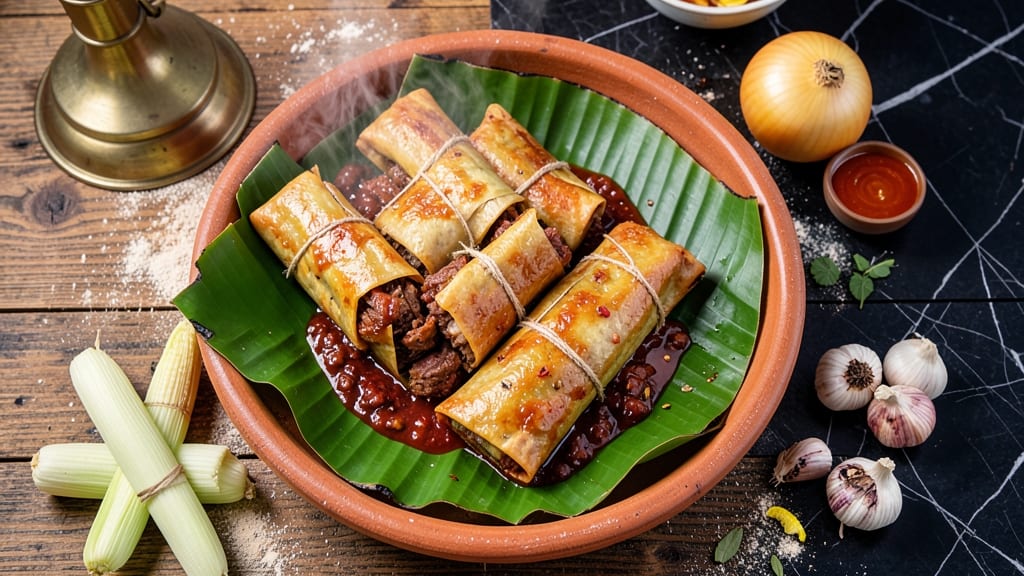
This authentic Mexican beef tamales recipe from scratch delivers the real deal—homemade masa, spiced filling, and all the layers that make tamales unforgettable. The process honors tradition while keeping techniques accessible, so you can recreate that restaurant-quality experience at home.
Every step, from grinding the masa to steaming the tamales, matters for that perfect balance of tender corn dough and rich, savory beef.
What sets these tamales apart is the homemade masa, made from scratch with fresh corn and lard for authentic texture and flavor. The beef filling gets its depth from a blend of spices—cumin, oregano, and bay leaf—that build complex layers as they steam.
This isn't just a recipe; it's a celebration of Mexican culinary tradition, where every bite tells a story of heritage and care.
The result is tamales with crispy edges on the masa, tender beef that practically melts, and a sauce that clings to every layer. The steam creates that signature moist yet firm texture, while the spices infuse the masa itself for an experience that goes beyond the filling.
These tamales are perfect for gatherings, special occasions, or whenever you crave a taste of home.
Once you master the technique, you'll understand why tamales are a cornerstone of Mexican cuisine—versatile enough for everyday meals but special enough for celebrations. The process may seem involved, but breaking it into steps makes it manageable. Let's get started on creating something truly authentic.
Ingredients for authentic mexican beef tamales recipe from scratch
Twelve ingredients, three cups of masa, and a whole lot of tradition—this is how you make tamales worth celebrating.
| Ingredient | Amount | Notes |
|---|---|---|
| Dried White Corn (Masa Harina) 🌽 | 4 cups | Maseca or similar brand preferred |
| Lard (or Vegetable Shortening) 🍖 | 1 cup | Rendered pork fat for authenticity |
| Warm Water 💧 | 3 ½ cups | 100°F for ideal masa texture |
| Beef Chuck Roast 🥩 | 3 lb | Well-marbled, trimmed of fat |
| Yellow Onion 🧅 | 2 whole | Diced, medium size |
| Garlic Cloves 🧄 | 6 cloves | Fresh, minced |
| Ground Cumin 🌿 | 2 tbsp | Toasted for deeper flavor |
| Dried Oregano 🍃 | 1 ½ tbsp | Mexican oregano preferred |
| Bay Leaves 🌿 | 2 whole | Crushed lightly |
| Salt 🧂 | 1 ½ tsp | Kosher or sea salt |
| Black Pepper 🌶️ | 1 tsp | Freshly ground |
| Chicken Broth 🍲 | 1 cup | Low-sodium preferred |
| Corn Husks 🌿 | 24 whole | Fresh, soaked 1 hour |
| Vegetable Oil 🫒 | ½ cup | For greasing husks |
The masa starts with Maseca or similar dried corn—look for bright yellow color and no lumps. Lard is non-negotiable for authenticity (though shortening works in a pinch), and Costco or local butcher shops usually have the best quality. For the beef, chuck roast is your best bet—it stays tender while cooking. If you can't find fresh corn husks, Mexican grocery stores often sell them dried, but soak them longer (2+ hours). The water needs to be warm (about 100°F) to prevent gummy masa—microwave a cup of water for 30 seconds if yours is cold.
No lard? Vegetable shortening or even coconut oil (though texture differs). Running short on cumin? Mexican oregano at double the amount covers it, but the cumin's earthy depth is key. The beef can be swapped for pork shoulder if you prefer, but chuck gives that signature beefy flavor. For the husks, no need to peel the silk off—just trim the ends and soak. The broth adds moisture to the filling—low-sodium so you control the saltiness. And if you're making a big batch, double the spices—they'll infuse the masa too.
Soaked husks keep in the fridge for up to 3 days in a sealed bag, but use them fresh if possible. The masa dough stays workable for 2 hours before drying out—cover it tightly with plastic wrap. Leftover filling can be frozen for 3 months, but tamales are best eaten fresh. Steam them immediately if you're serving a crowd—these won't reheat as well as they taste fresh off the steam. For leftovers, reheat gently in a skillet with a splash of broth to revive the texture.
Why You'll Love This Recipe
- No Fuss, No Mess: I swear by this method—just mix masa harina, lard, and warm water until it’s smooth. No rolling pins, no stress, and the dough comes together faster than you can say "Día de los Muertos."
- Deep, Slow-Cooked Richness: That beef chuck roast? It falls apart after hours of simmering with onions and spices—juicy, tender, and packed with flavor. Honestly, the first bite makes you forget store-bought ever existed.
- Party in a Package: These are my go-to for gatherings—feed a crowd with minimal effort. Wrap them in banana leaves (or foil in a pinch), steam them, and boom: everyone’s happy. Even picky eaters ask for seconds.
- Budget-Friendly Feast: Masa harina and chuck roast stretch miles, and leftovers reheat like a dream. I’ve fed my family for days with just one batch—no wasted ingredients, no empty wallet. (Yes, even on a Tuesday night.)
Step-by-step instructions for authentic Mexican tamales
Let's make these tamales the old-fashioned way—homemade masa, spiced beef filling, and all.
Prepare the Masa Dough
In a large mixing bowl, combine the 4 cups dried white corn (masa harina) and 1 cup lard (or vegetable shortening). Mix with your hands until the masa starts to crumble and absorb the fat. This step is crucial—don't skip it, as it ensures the masa will be tender and flavorful.
Gradually add the 3.5 cups warm water (around 100°F) while mixing. The dough should come together into a soft, pliable ball. If it feels too dry, add a splash more water; if too sticky, knead in a little more masa harina. Once smooth, cover the bowl with a damp towel and let it rest for 15 minutes—this helps the flavors meld and makes it easier to work with later.
Cook the Beef Filling
In a large pot, heat 0.5 cup vegetable oil over medium-high heat. Add the 3 lb beef chuck roast, cut into large chunks, and sear until browned on all sides—about 5 minutes. Remove the beef and set it aside.
In the same pot, add the 2 whole yellow onion (diced) and 6 cloves garlic (minced). Cook for 3-4 minutes until softened. Stir in the 2 tbsp ground cumin, 1.5 tbsp dried oregano, 2 whole bay leaves (crushed), 1.5 tsp salt, and 1 tsp black pepper. Pour in the 1 cup chicken broth and return the beef to the pot. Bring to a simmer, cover, and cook for 2-2.5 hours until the beef is fork-tender and easily shreds. Once done, shred the beef with two forks directly in the pot.
Soak and Prepare the Corn Husks
Fill a large bowl with hot water and add the 24 whole corn husks. Let them soak for at least 1 hour—this makes them pliable and prevents them from cracking when filled. Drain and set aside, keeping them covered with a damp towel to maintain moisture.
While the husks soak, divide the masa dough into 12 equal portions (about 1 cup each). Roll each portion into a ball and flatten it slightly with your hands. This makes it easier to spread the masa evenly on the husks later.
Assemble the Tamales
Lay a corn husk flat on a clean surface with the pointed end facing you. Spread ¼ cup of the masa dough evenly over the husk, leaving a 1-inch border at the top. Spoon ¼ cup of the beef filling onto the masa, starting from the bottom and working your way up. Fold the sides of the husk inward, then fold the pointed end up to fully encase the filling. Repeat until all husks are filled.
Place the assembled tamales seam-side down in a large steamer basket lined with parchment paper. Cover with a damp towel to prevent them from drying out. Bring a large pot of water to a boil, then reduce to a simmer and place the steamer basket on top. Cover and steam for 1.5 hours—don't peek! Steaming too soon can cause them to fall apart.
Rest and Serve
Once steamed, carefully remove the tamales from the basket and let them cool for 10 minutes. The filling should be hot and the masa tender. Serve warm with extra salsa, avocado, or a side of refried beans. These tamales are best enjoyed fresh, so don't wait too long—they taste even better the same day!
Pro Tips For Making Authentic Mexican Beef Tamales Recipe From Scratch
- STEAM THE CORN HOURS AHEAD: I learned this the hard way—soaking dried corn overnight isn’t just lazy, it’s crucial. The starch breaks down properly, giving you that perfect, tender masa texture. Use twice the water by volume (2 cups water per 1 cup corn) and let it sit covered at room temp. The longer it soaks, the smoother your dough will be—no gritty surprises when mixing.
- CUT THE LARD COLD: Skip the warm lard—it melts too fast and makes your masa greasy instead of flaky. Dice the lard while it’s still firm (right out of the fridge) and mix it into the masa just before shaping. The cold pieces will melt slightly from body heat, creating pockets of flavor without turning your tamales into a soggy mess.
- REST THE BEEF IN ACID: After braising the beef chuck, resist the urge to shred it immediately. Let it sit in the cooking liquid with a splash of lime juice (or vinegar) for at least 30 minutes. This tenderizes the meat further and cuts through the richness, balancing the dish. I used to skip this, and the beef always tasted heavy—now it’s light and vibrant.
- PACK MASA TIGHTLY, THEN LOOSEN: This isn’t the prettiest method, but it’s the tastiest. Start by pressing the masa firmly into the corn husks—this creates a tight seal that traps steam. Then, use your fingers to gently loosen the edges slightly before adding filling. The tamales will hold their shape without bursting, and the steam circulates better for even cooking. (Yes, even if you’re impatient like me.)
Troubleshooting this dish
Masa Too Dry?
If your masa feels dry or crumbly after mixing, it’s likely from cold water or insufficient lard. Warm the water to 100°F (microwave a cup for 30 seconds if needed) and add 1 tablespoon of lard or vegetable shortening at a time until pliable.
Overworking the dough can also dry it out—mix just until combined. 💧
Filling Too Watery
The beef filling should be moist but not soupy. If it’s too loose, simmer it uncovered for 5-10 minutes to reduce excess liquid. For extra binding, stir in 1 tablespoon of masa harina or a spoonful of cooked rice. Avoid over-shredding the beef—large chunks hold together better in the husks.
Husks Cracking or Leaking
Soak husks for at least 1 hour in hot water to soften them properly. If they still crack, trim the ends more carefully or use slightly larger husks.
For extra security, fold the sides tightly inward before sealing the pointed end. A damp towel over the assembled tamales prevents them from drying out before steaming. 🌿
Tamales Falling Apart
This usually happens if the masa isn’t sticky enough or the husks aren’t sealed tightly. Ensure your masa has a slightly tacky texture (like Play-Doh) before spreading.
Seal tamales with a small dab of masa at the fold for extra hold. Steam at a gentle simmer—boiling water can cause them to burst open.
Uneven Cooking
If some tamales cook faster than others, arrange them seam-side down and evenly spaced in the steamer. Avoid overcrowding—leave ½ inch between each tamale. For even heat distribution, place a damp towel over the top of the steamer basket. Never peek during steaming—condensation can weaken the husks. ⏰
Dry or Tough Masa
Over-steaming is the most common cause. Once the water reaches a rolling boil, reduce to a gentle simmer (small bubbles, not a roaring boil). Steam for exactly 1.5 hours—no more!
If the masa still feels dry, brush the outside with melted lard before serving. For extra moisture, serve with warm salsa or consommé.
Nutrition facts
Frequently asked questions about authentic Mexican beef tamales
Can I make tamales without corn husks?
Traditional tamales require corn husks, but you can use banana leaves or aluminum foil as substitutes. For banana leaves, soak them in hot water for 10 minutes first. Foil works best for individual portions—just shape the masa and filling into a log, wrap tightly, and steam. The texture won't be identical, but it's a good backup for special occasions.
How do I store leftover tamales?
Store tamales in an airtight container in the fridge for up to 5 days. Reheat gently in a skillet with a splash of broth or water to revive the moisture. For longer storage, freeze them unopened for 3 months. Thaw overnight in the fridge before reheating—never microwave directly from frozen.
What's the best way to reheat tamales?
For best results, steam them for 10-15 minutes to restore moisture. Alternatively, wrap in foil and bake at 350°F for 20 minutes. Avoid microwaving—it makes the masa rubbery. If reheating from frozen, steam for 25-30 minutes until fully heated through.
Can I substitute beef with chicken or pork?
For chicken, use 3 lb boneless thighs (they stay juicier). For pork, pork shoulder works beautifully—just reduce cooking time to 1.5 hours. Adjust spices slightly: add ½ tsp smoked paprika for pork or ½ tsp thyme for chicken. The masa recipe remains the same for all proteins.
Why do my tamales taste bland?
Bland tamales usually mean under-seasoned filling or weak masa. Boost flavor by toasting spices (cumin, oregano) in a dry pan for 1 minute before adding. For the masa, mix in 1 tbsp lard per cup of dough and add ½ tsp salt to the filling. Fresh herbs like cilantro or epazote can also elevate the taste.