
Main Courses
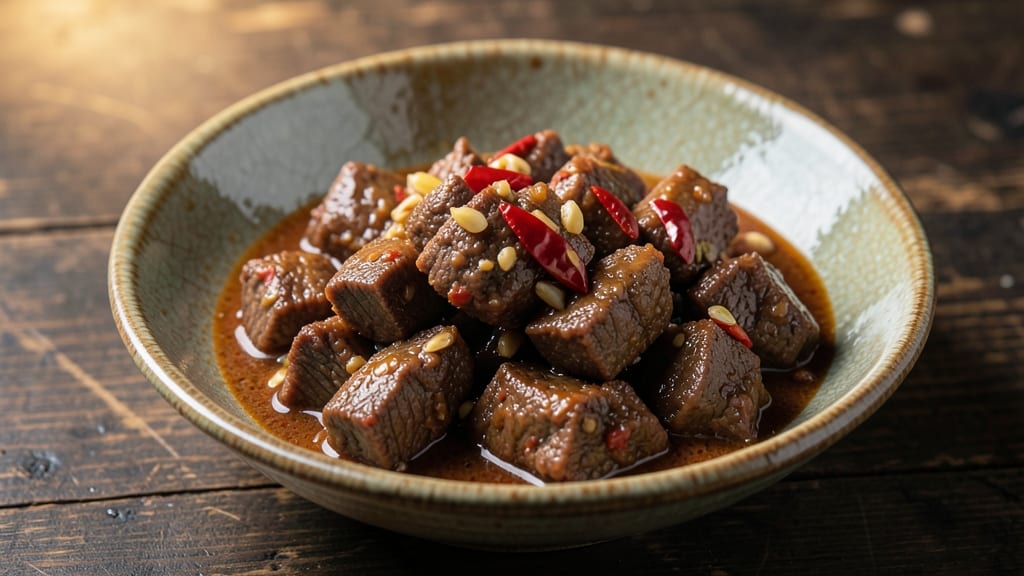
This authentic beef rendang recipe delivers the rich, caramelized depth that makes it Indonesia's national dish. The slow-simmered process transforms tough beef into melt-in-your-mouth tenderness while developing complex spice layers that only get better with time.
I've perfected the traditional technique—rendering fat, layering spices, and reducing coconut milk—so you can achieve restaurant-quality results at home.
The key to authentic rendang lies in patience and technique. We start with a proper spice paste (bawang putih, cabai, and galangal) that builds flavor, then slow-cook the beef until the coconut milk reduces to a thick, glossy glaze.
This isn't a quick meal—it's a labor of love that rewards you with meat so tender it falls apart at the touch and a sauce that clings to every bite. The caramelized edges and concentrated spices create a dish that's both comforting and sophisticated.
What makes this rendang truly special is its versatility. Serve it over fragrant steamed rice to soak up every last bit of that rich sauce, or alongside ketan (glutinous rice) for a more traditional presentation.
The aroma alone will fill your kitchen with the essence of Indonesian cuisine, while the flavors—sweet, spicy, and umami-rich—will have everyone asking for seconds. This is comfort food at its finest, with the depth and authenticity of a family recipe passed down through generations.
Ready to master this dish? The process might take time, but the results are worth every minute. We'll walk you through each step—from marinating to slow-cooking—to ensure you achieve that signature caramelized perfection. Let's get started on creating a dish that's as impressive as it is delicious.
Ingredients for authentic beef rendang
Six pounds of tender beef and aromatic spices transform into Indonesia's iconic slow-simmered masterpiece.
| Ingredient | Amount | Notes |
|---|---|---|
| Beef Chuck Roast 🥩 | 3 lb | Tough cut for slow cooking |
| Coconut Milk 🥥 | 3 cans | Full-fat, 13.5 oz each |
| Galangal 🌿 | 1 piece | Fresh root, peeled and sliced |
| Garlic Cloves 🧄 | 12 cloves | Peeled and minced |
| Shallots 🧅 | 6 whole | Peeled and minced |
| Red Chili Peppers 🌶️ | 4 whole | Fresh, bird's eye or serrano |
| Lemongrass 🌿 | 1 stalk | Pounded and cut into pieces |
| Turmeric Powder 🌶️ | 1 tbsp | Bright yellow, fresh preferred |
| Coriander Seeds 🌿 | 1 tbsp | Toasted for depth |
| Cumin Seeds 🌶️ | 1 tbsp | Toasted for warmth |
| Cinnamon Sticks 🌿 | 2 whole | For aromatic depth |
| Star Anise 🌶️ | 2 whole | Lightly crushed |
| Kaffir Lime Leaves 🍋 | 4 whole | Bruised to release oils |
| Palm Sugar 🍯 | ½ cup | Or light brown sugar |
| Coconut Oil 🫒 | 2 tbsp | For rendering fat |
| Salt 🧂 | 2 tsp | Diamond Crystal preferred |
| Black Peppercorns 🌶️ | 1 tsp | Freshly cracked |
The beef cut is everything—chuck roast delivers that melt-in-your-mouth texture after hours of slow cooking. If your store doesn't carry it, ask for 'beef for stew' or look in the butcher section. For spices, Penzeys Spices or any Asian market will have galangal, kaffir lime leaves, and bird's eye chilies—non-negotiable for authentic flavor. The coconut milk should be full-fat (13.5 oz cans) for proper reduction. If you can't find palm sugar, light brown sugar works perfectly. Toast your whole spices (cumin, coriander) in a dry pan for 30 seconds before grinding—they'll add incredible depth. Don't skip the lemongrass pounding; it releases the essential oils that make rendang sing.
No galangal? Substitute ginger at half the amount, but you'll lose some complexity. Out of kaffir lime leaves? Double the lime zest plus a splash of lime juice comes close. Fresh chilies too spicy? Remove seeds and membranes first, or use just 2 peppers. The spice paste is where magic happens—blend everything until it's smooth, then fry it in coconut oil until fragrant. This step builds the aromatic foundation. For the beef, pat it dry before browning—this ensures a good sear. If you're short on time, you can use pre-made rendang paste, but homemade is worth the effort. The coconut milk reduction is critical—simmer uncovered until it's thick enough to coat the back of a spoon, about 3-4 hours.
This dish tastes even better the next day as flavors meld. Store leftovers in an airtight container in the fridge for up to 5 days, or freeze for 3 months. The sauce thickens as it cools, so reheat with a splash of water or coconut milk. For serving, keep the caramelized beef and sauce separate until ready to eat—this prevents soggy rice. The aroma alone will have your house smelling like a Jakarta street food stall. Portion into containers with rice for easy lunches, or freeze individual servings for quick meals. Trust me, the first bite after reheating is worth every minute of slow cooking.
Why You'll Love This Recipe
- One-Pot Magic: I swear, the only tools I need are a heavy pot and a wooden spoon. No fancy gadgets, no stress—just you, the beef, and that slow-simmering coconut milk doing all the work while you sip tea.
- Deep, Slow Love: That galangal and garlic blend? It’s like a warm hug in a bowl. The beef gets so tender it falls apart, and the sauce clings to every bite—sweet, spicy, and unapologetically rich.
- Leftovers That Shine: Between us, this dish tastes better the next day. I make a double batch on Sundays, and by Wednesday, it’s still my go-to—reheated with a splash of water, just as good as day one.
- Budget-Friendly Feast: A chuck roast stretches for days, and the spices? A few dollars’ worth of galangal and shallots go a long way. Honestly, it’s the kind of meal that makes grocery night feel like a win.
Step-by-step instructions for authentic beef rendang
Here's how to transform tough beef into melt-in-your-mouth perfection through slow, aromatic cooking.
Prepare the Spice Paste for Maximum Flavor
In a food processor, combine the peeled and sliced galangal, minced garlic cloves, minced shallots, sliced red chili peppers, and cut lemongrass. Pulse until you achieve a coarse paste - not too fine, as texture matters for depth of flavor. Transfer this aromatic base to a heavy-bottomed pot.
Add the toasted coriander seeds, toasted cumin seeds, lightly crushed cinnamon sticks, crushed star anise, and bruised kaffir lime leaves. Stir these whole spices into the galangal mixture, letting their oils infuse. This is where the magic begins - the spices will develop complex, caramelized notes as they cook. Heat the pot over medium heat for 5 minutes, stirring constantly, until you smell that deep, earthy aroma developing.
Now add the turmeric powder, palm sugar, salt, and cracked black peppercorns. Stir well to distribute evenly. Cook for another 2 minutes until the sugar begins to dissolve and the spices release their oils. This aromatic foundation will carry through every bite of your rendang.
Sear the Beef and Build the Spice Crust
Heat the 2 tablespoons coconut oil in a separate heavy pot over medium-high heat until shimmering. Pat the 3 lb beef chuck roast completely dry with paper towels - moisture is the enemy of good searing. Working in batches if needed, sear the beef on all sides until deeply browned, about 3-4 minutes per side. This step develops the rich, caramelized crust that gives rendang its signature depth.
Transfer the seared beef to your spice mixture, coating each piece thoroughly in the aromatic paste. Let it sit for 10 minutes while the spices penetrate the meat. This isn't just seasoning - it's creating a flavor bomb that will explode during the long cooking process. The beef should be well-coated but not swimming in liquid.
Slow-Simmer in Coconut Milk for Tender Perfection
Return the beef and spice mixture to the pot. Add the 3 cans coconut milk, stirring to combine. The liquid should just cover the beef - if it's too shallow, add a splash of water. Bring to a gentle simmer over medium-low heat, then reduce to the lowest setting possible. The key to authentic rendang is patience - we're talking 3-4 hours of undisturbed cooking.
Partially cover the pot and let it simmer gently. You'll notice the liquid gradually reduces and the spices caramelize, creating a thick, glossy sauce. Stir occasionally, but not too frequently - you want those spices to develop a crust on the bottom. After about 2 hours, check the beef - it should be fork-tender but still holding its shape. If it's falling apart, it's perfect.
Continue cooking until the sauce has reduced to a thick, almost paste-like consistency that clings to the beef. The beef should be so tender it practically melts in your mouth. This might take up to 4 hours total, depending on your heat source. The longer it cooks, the more complex the flavors become.
Finish with Crispy Edges and Perfect Texture
Once the beef is fork-tender and the sauce has thickened significantly, increase the heat to medium and let it cook uncovered for the final 15-20 minutes. This allows the surface to develop crispy edges while maintaining that silky, rich sauce. You're looking for a sauce that coats the back of a spoon and has a slight sheen - not dry, but thick enough to cling to each bite.
Taste and adjust seasoning if needed - you might need a touch more salt or a splash of water to achieve the perfect balance. The final rendang should have a beautiful caramelized color with visible spice flecks throughout. Serve immediately over steamed jasmine rice, letting each forkful deliver layers of spicy, sweet, and umami flavors that define this Indonesian classic.
Pro Tips For Making Authentic Beef Rendang
- Sear the Beef in Batches: I learned this the hard way—crowding the pan turns your beef into steamed meat instead of caramelized gold. Work in 2-3 portions over medium-high heat for 3-4 minutes per side, using just enough oil to coat the bottom. The crust is where the flavor hides, and skipping this step means missing half the depth.
- Blanch the Galangal: Sounds weird, but it works: Peel and slice your galangal, then blanch it in boiling water for 30 seconds before adding to the paste. This softens it without turning the curry into a mushy mess. (Yes, even if you’re impatient like me.) Fresh galangal is non-negotiable here—no powder substitutes the citrusy bite.
- Simmer Low and Slow: After the initial sear and paste cooking, drop the heat to a gentle simmer—think tiny bubbles, not rolling. Cover the pot loosely and let it cook for 3-4 hours, stirring occasionally. Rushing this step means tough meat and a watery sauce. I used to walk away after 2 hours, but the magic happens in the patience.
- Strain the Coconut Milk: The first time I skipped this, the sauce looked like soup. Save ½ cup of the thick cream from the top of chilled coconut milk and mix it with the paste before adding the rest. This keeps the sauce rich without turning it greasy. (Your future self will thank you.) Use full-fat canned milk—none of that "light" nonsense.
Common mistakes when making great authentic beef rendang
Skipping the Spice Paste
Don’t cut corners by skipping the spice paste—this is where the soul of rendang lives! The aromatic blend of galangal, lemongrass, and toasted spices needs time to develop its deep, caramelized flavors.
If you’re tempted to use pre-made paste, I get it, but homemade paste gives you that authentic, layered complexity. Trust me, the first bite will tell the difference. 🌶️
Rushing the Slow Cook
This isn’t a dish you can rush—patience is key! Cooking rendang too quickly means the beef won’t tenderize properly, and the sauce won’t reduce to its signature thick, glossy consistency. Set your stove to the lowest heat possible and let it simmer for at least 3-4 hours.
The longer it cooks, the more the spices caramelize and the flavors meld together. Skipping this step results in a watery, underdeveloped dish.
Not Browning the Beef
A deep, golden-brown sear on the beef is non-negotiable for that signature caramelized crust. If you skip this step, your rendang will lack the rich, umami depth that makes it so irresistible. Pat the beef completely dry before searing—moisture is the enemy of a good crust.
Work in batches if needed, but don’t rush this part. A well-seared beef is the foundation of a perfect rendang. 🥩
Over-Stirring the Sauce
Stirring too frequently prevents the spices from forming that beautiful caramelized crust at the bottom of the pot. This crust adds layers of flavor and texture to the dish. Let the sauce reduce naturally, stirring only every 30-45 minutes to allow the spices to develop their rich, deep color.
The occasional stir is all you need—less is more here.
Using Low-Quality Coconut Milk
Full-fat coconut milk is a must—light or skim versions won’t give you the creamy, rich texture and flavor you’re after. The fat content is essential for that silky sauce and helps carry the spices beautifully.
If you’re using canned coconut milk, make sure it’s 13.5 oz cans of full-fat. Skimping here will leave your rendang tasting flat and lacking in depth.
Adding Too Much Liquid
Too much liquid will dilute the flavors and prevent the sauce from reducing properly. The coconut milk should just cover the beef—if it’s too shallow, add a splash of water, but don’t overdo it.
The sauce should thicken significantly as it simmers, creating that perfect clingy consistency. If it’s too thin, the dish will lack the rich, concentrated flavors that make rendang so special. 💫
Nutrition facts
Frequently asked questions
Why does authentic beef rendang need such a long cooking time?
The slow cooking process is essential for developing the signature caramelized flavors and tenderizing the beef. Over 3-4 hours of simmering allows the spices to fully infuse, the coconut milk to reduce into a rich sauce, and the beef to break down into melt-in-your-mouth perfection. This isn't just about cooking—it's about transforming simple ingredients into a complex, layered masterpiece.
Can I substitute any of the spices in this recipe?
Some spices like galangal and kaffir lime leaves are hard to replace, but you can make small adjustments. For galangal, use ½ the amount of ginger—though you'll lose some depth. Skip kaffir lime leaves? Add double the lime zest plus juice. For bird's eye chilies, reduce to 2 peppers and remove seeds if you prefer less heat. The key is balancing the aromatic spices while keeping the dish's signature complexity.
How do I know when the rendang is fully cooked?
The beef should be so tender it practically falls apart with a fork, yet still holds its shape. The sauce should reduce to a thick, glossy consistency that coats the back of a spoon—almost like a paste. Look for caramelized edges on the meat and a deep, rich color in the sauce. If it passes the fork test and has that signature sheen, it's ready!
Can I make rendang in a slow cooker or Instant Pot?
Yes, but with adjustments! For a slow cooker, brown the beef first, then cook on low for 6-8 hours with the lid slightly ajar to let moisture escape. In an Instant Pot, use the "Sauté" function to brown the beef, then cook on "High Pressure" for 45 minutes followed by a 10-minute natural release. Both methods work, but stove-top simmering gives the best caramelized depth. The key is patience—don't rush the reduction stage!
What's the best way to store and reheat leftover rendang?
Store in an airtight container in the fridge for up to 5 days, or freeze for 3 months. The sauce thickens as it cools, so reheat with a splash of water or coconut milk. For best results, warm slowly on low heat or in a microwave with a damp paper towel. Leftover rendang actually tastes better the next day as flavors meld further—just what makes it so special!