
Main Courses
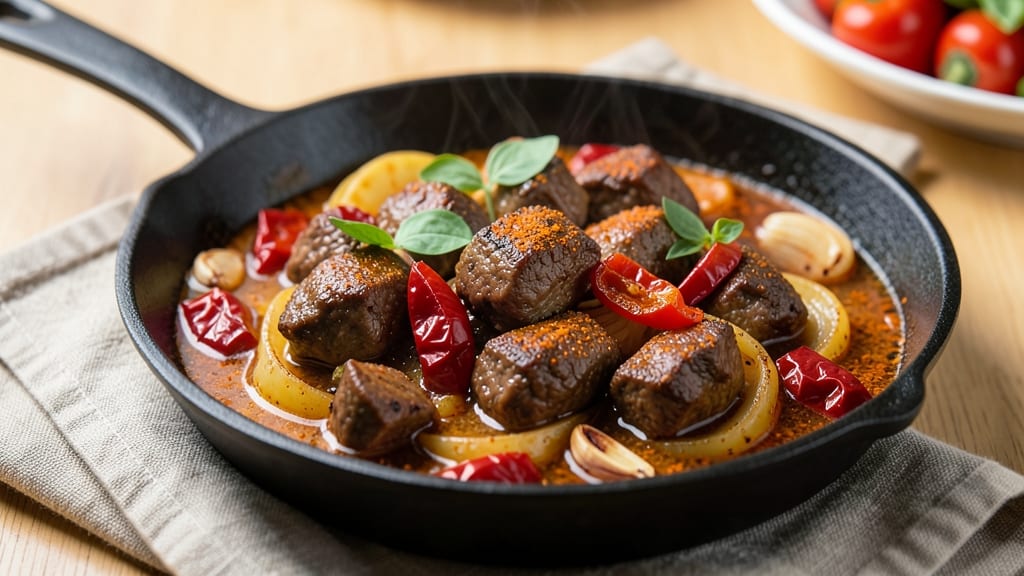
This authentic beef goulash recipe brings the hearty flavors of Hungary to your kitchen with rich paprika, tender beef, and comforting egg noodles. The secret lies in slow-cooked beef that practically melts in your mouth, infused with smoky sweet paprika and aromatic vegetables.
After years of perfecting this dish, I've cracked the code for deep, complex flavors that balance heat and sweetness just right.
The foundation of great goulash starts with proper browning—searing the beef creates a flavorful crust that dissolves into the sauce as it simmers. Sweet and hot paprika blend (not just sweet!) gives that signature Hungarian depth, while onions and bell peppers build sweetness that cuts through the richness.
The key is patience—letting everything cook low and slow until the meat is fork-tender and the sauce thickens into a velvety consistency.
What you'll end up with is a steaming bowl of goulash where each bite delivers perfectly tender beef, tender vegetables, and a sauce so rich it coats every noodle.
The aroma alone will have everyone gathering at the table, and the first spoonful delivers that perfect balance of smoky, sweet, and savory flavors that define Hungarian comfort food. This is the kind of meal that transforms a regular weeknight into a cozy family dinner.
Serve it with crusty bread to soak up every last drop of that flavorful sauce, or pair with buttered egg noodles for the full traditional experience. The leftovers reheat beautifully too, making this a perfect make-ahead meal for busy weeks.
Let's get cooking—your taste buds will thank you for this trip to Hungary.
Ingredients for authentic beef goulash
Hungarian flavors start with these simple, hearty ingredients—rich paprika, tender beef, and comforting vegetables.
| Ingredient | Amount | Notes |
|---|---|---|
| Chuck Roast 🥩 | 2 lb | Cut into 1-inch cubes |
| Yellow Onions 🧅 | 2 whole | Diced, medium size |
| Bell Peppers 🌶️ | 2 whole | Red or green, sliced |
| Garlic Cloves 🧄 | 4 cloves | Minced, fresh preferred |
| Sweet Paprika 🌶️ | 2 tbsp | Hungarian blend preferred |
| Hot Paprika 🌶️ | 1 tbsp | For smoky depth |
| Tomato Paste 🍅 | ½ cup | Smooth, not chunky |
| Beef Broth 💧 | 3 cups | Low-sodium preferred |
| Egg Noodles 🍝 | 12 oz | Fresh or dried |
| Olive Oil 🫒 | 2 tbsp | Extra-virgin for richness |
| Bay Leaves 🍃 | 2 whole | Fresh if available |
| Salt 🧂 | 1 ½ tsp | Kosher or sea salt |
| Black Pepper 🌶️ | 1 tsp | Freshly ground |
| Red Wine 🍷 | ½ cup | Dry red, optional |
| Tomatoes 🍅 | 1 can | Diced, 14.5 oz can |
The beef is non-negotiable. Chuck roast gives you that melt-in-your-mouth texture—sirloin stays too tough. Grab it from the butcher section if you can; the pre-cubed version at Costco or Kroger works too. Look for good marbling—those little fat streaks are what keep the meat juicy. For the paprika, Hungarian sweet and hot blends make all the difference. Penzeys or Rosenbaum's carry great options, but the bulk bins at Trader Joe's have solid choices too. Don't skimp on the quality here—it's the soul of the dish.
No red wine? Beef broth with a splash of balsamic works just fine. The tomatoes can be fresh or canned—San Marzano if you're splurging, but regular diced tomatoes in a can are perfect for weeknight cooking. Bell peppers? Red or green, whatever's on sale. The tomato paste is your flavor anchor—Rao's or Muir Glen are my go-tos, but any smooth paste will do. Fresh bay leaves add depth, but dried in a pinch (just halve the amount). And if you're using dried egg noodles, make sure they're egg noodles, not regular pasta—they're what give goulash its authentic texture.
This goulash tastes even better the next day, so make extra. Store leftovers in the fridge for up to 5 days or freeze for 3 months. I like to portion it into containers with a little extra sauce on top—just reheat with a splash of water or broth. The noodles will soak up that rich sauce like a dream, and the beef gets even more tender. If you're prepping ahead, you can actually cook the beef and sauce first, then add the noodles when serving. That way, the noodles stay al dente and don't turn into mush.
Why You'll Love This Recipe
- One-Pot Magic: I swear by this recipe—just dump everything into one pot, and let it do its thing. The onions caramelize while you’re chopping the peppers, and by the time the paprika deepens into that rich, smoky aroma, you’re basically done.
- Deep, Smoky Kick: That sweet paprika isn’t just for show—it builds layers of warmth that cling to the chuck roast like a hug. Between the garlic’s punch and the peppers’ slight sweetness, every bite feels like a cozy hug from your grandma’s kitchen.
- Leftovers That Shine: Honestly, I make this on Sundays just so I can eat it all week. The flavors get better the next day, and it reheats like a dream—perfect for lunches or when you’re too tired to cook.
- Budget-Friendly Feast: Chuck roast stretches across meals without breaking the bank, and the veggies add color without costing a fortune. It’s the kind of dish that makes you feel like you’re feeding a crowd, even when it’s just you and your favorite show.
Step-by-step instructions for authentic beef goulash
Let's build this rich, paprika-spiced goulash that delivers melt-in-your-mouth beef and hearty egg noodles.
Sear the Chuck Roast for Deep Flavor
Heat the 2 tablespoons olive oil in a large Dutch oven over medium-high heat until shimmering. Working in batches to avoid crowding, add the 2 lb chuck roast cut into 1-inch cubes, letting each piece develop a deep brown crust before turning. This searing step creates the Maillard reaction that builds the goulash's signature depth of flavor.
Once all the beef is golden brown—about 8-10 minutes total—remove it from the pot and set aside. You'll notice the meat releases easily from the pan when properly seared. This is your signal to move to the next step before the oil loses its heat.
Build the Paprika Base
In the same Dutch oven, add the 2 whole yellow onions cut into medium dice and the 2 whole bell peppers sliced into strips. Cook for 5-6 minutes until softened but not colored. Add the 4 cloves minced garlic and cook for 30 seconds until fragrant.
Now comes the magic: stir in the 2 tablespoons sweet paprika and 1 tablespoon hot paprika, whisking constantly for 1 minute to toast the spices and release their aromatic oils. This step develops the goulash's signature smoky, slightly sweet flavor profile. Don't skip this—it's what makes this dish authentically Hungarian.
Develop the Sauce
Pour in the 0.5 cup red wine (if using) and scrape up any browned bits from the bottom of the pot. Let it simmer for 2-3 minutes until reduced by half. Add the 0.5 cup tomato paste and stir until smooth, then pour in the 1 can diced tomatoes and 3 cups beef broth. The mixture should bubble gently.
Return the beef to the pot, add the 2 whole bay leaves, and bring to a simmer. Cover and cook on low heat for 1.5 hours, stirring occasionally. The beef should become fork-tender with the sauce reducing to a rich, thick consistency. This slow cooking transforms tough chuck roast into melt-in-your-mouth pieces.
Finish with Seasoning and Noodles
Remove the bay leaves and adjust seasoning with 1.5 teaspoons salt and 1 teaspoon black pepper. Add the 12 oz egg noodles directly to the goulash pot and stir gently to coat them in the sauce. Cover and cook for 10-12 minutes until the noodles are al dente and the sauce has thickened enough to cling to each strand.
Here's where it gets good: taste and adjust seasoning if needed. The goulash should be rich, slightly sweet from the paprika, and deeply flavorful. If it's too thick, add a splash of hot water or broth to loosen it. Serve immediately with crusty bread to soak up every last bit of that paprika-rich sauce.
Pro Tips For Making Authentic Beef Goulash
- SEAR THE CHUCK ROAST: After years of making goulash, I finally realized: the meat needs a proper crust first. Pat the chuck roast very dry with paper towels, then sear it in a hot Dutch oven with 1 tablespoon oil until deep brown on all sides—about 3-4 minutes per side. This isn’t just for looks; it locks in flavor and prevents the meat from turning mushy later.
- SWEAT THE ONIONS LOW: I used to rush this step, and the onions ended up tasting raw. For authentic goulash, slice the yellow onions thin and cook them over low heat for at least 10 minutes—until they’re translucent and just starting to caramelize. Add a pinch of salt halfway through to draw out moisture, then wipe it away with a paper towel before adding the peppers.
- DON’T OVERMIX THE PAPRIKA: Here’s where most goulash recipes go wrong: stirring like crazy when adding the sweet paprika. Instead, sprinkle it over the onions and peppers in a light dusting, then let it bloom for 30 seconds before gently folding it in. Overmixing turns your sauce into a muddy mess—you want those paprika flecks to stay visible for real texture.
- USE THE PEPPERS’ WATER: Skip the extra liquid and use the natural water from the bell peppers instead. After searing the peppers, add them to the pot with the onions and let them release their juices—about 2-3 tablespoons. This keeps the goulash rich without thinning it out, and it’s a shortcut that actually makes the dish more flavorful. (Yes, even if it looks weird at first.)
Best sauces and condiments for these flavors
Classic Hungarian Sour Cream
No goulash is complete without a dollop of sour cream on top—it cuts through the richness and adds a cooling contrast. I like to use full-fat sour cream (like Kroger's brand) for that authentic Hungarian tang.
Add about 2 tablespoons per serving just before serving, letting it sit for 5 minutes to meld with the paprika flavors. For extra richness, mix in 1 teaspoon minced fresh dill—it brightens the dish beautifully. 🥛
Crispy Fried Onions
Hungarians love crispy fried onions as a garnish—they add a sweet, crunchy texture that contrasts perfectly with the tender beef. Thinly slice 1 small yellow onion (about ¼-inch thick) and fry in 2 tablespoons neutral oil (like vegetable or canola) over medium heat for 3-4 minutes until golden.
Drain on paper towels and sprinkle over the goulash just before serving. Store-bought versions (like French's) work in a pinch, but homemade tastes 100x better. 🧅
Fresh Herbs Finish
Fresh parsley and dill elevate goulash from good to restaurant-quality. Chop 2 tablespoons parsley and 1 tablespoon dill finely and sprinkle over each serving. The parsley adds brightness, while the dill brings a subtle anise note that pairs perfectly with the paprika.
If you're short on time, dried parsley works, but fresh is worth the effort. For a pop of color, add a pinch of red pepper flakes if you like a little heat. 🌿
Crusty Bread Pairing
No goulash is complete without crusty bread to soak up that delicious sauce. I recommend a Hungarian-style bread (like Pumpernickel or rye) for its hearty texture. Toast it lightly before serving to prevent sogginess.
For extra authenticity, try Lángos (Hungarian fried dough) if you're feeling adventurous—its crispy exterior and soft interior are made for goulash dipping. 🍞
Spicy Paprika Oil
For a next-level flavor boost, make a quick paprika oil by heating 2 tablespoons olive oil with 1 teaspoon hot paprika and ½ teaspoon garlic powder until fragrant (about 1 minute). Drizzle 1 teaspoon over each serving just before eating.
This adds a smoky, slightly spicy kick that enhances the goulash's depth. Store any leftover oil in a small jar for future use—it's perfect for dipping bread or tossing with salads. 🌶️
Lemon Wedges for Brightness
A squeeze of lemon at the table adds a refreshing contrast to the rich, paprika-forward flavors. Serve 2 lemon wedges per bowl and encourage guests to squeeze a little over their goulash.
The acidity balances the heat and fat, making each bite feel lighter. If you're serving with sour cream, the lemon enhances its tanginess even more. 🍋
Nutrition facts
Frequently asked questions
Why does authentic goulash use both sweet and hot paprika?
The combination of sweet and hot paprika creates the signature Hungarian flavor profile—2 tablespoons sweet for depth and 1 tablespoon hot for subtle heat. The sweet variety adds natural sugar that caramelizes during cooking, while the hot paprika brings smoky complexity. This balance is what makes goulash taste authentically Hungarian rather than just spicy.
Can I make goulash in a slow cooker?
Brown the beef first in a skillet, then transfer everything to a 6-quart slow cooker with 1 cup extra broth. Cook on low for 7-8 hours or high for 4-5 hours. The slow cooker's gentle heat breaks down the beef beautifully. Just add noodles during the last 30 minutes of cooking.
What's the best way to make goulash less greasy?
To reduce richness, skim excess fat from the surface after simmering, and use low-sodium broth instead of water. For extra balance, finish with 2 tablespoons sour cream per serving—it cuts through the fat while adding tangy flavor. You can also add 1 extra tomato or ½ cup extra broth to dilute the sauce slightly.
How do I know when the beef is tender enough?
The beef should be fork-tender—it should easily shred with a fork but not fall apart completely. For chuck roast, this typically takes 1.5 hours of simmering. Test by piercing the largest piece—if it separates cleanly, it's ready. If not, cook another 15-20 minutes. The sauce should also thicken noticeably during this time.
Can I substitute egg noodles for another pasta?
While egg noodles are traditional, you can use wide egg fettuccine or pappardelle for a similar texture. Avoid small shapes like penne—they don't soak up sauce as well. For a low-carb option, try shirataki noodles (rinsed well) or cauliflower rice, though the texture will differ. The key is using a pasta that holds its shape while absorbing the rich sauce.