
Main Courses
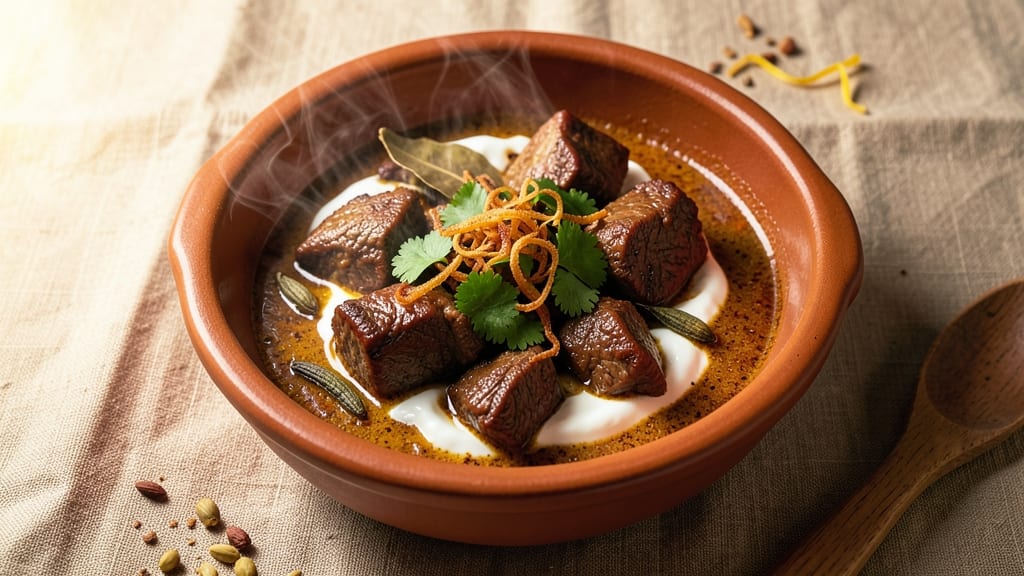
This authentic beef curry recipe brings the rich, complex flavors of traditional Indian cooking to your kitchen with a yogurt marinade and slow-simmered tomato-tamarind sauce. The key to depth lies in blooming whole spices in ghee—a technique that unlocks their natural oils and creates layers of aromatic warmth.
I developed this recipe after years of testing, ensuring every bite delivers the balance of tangy, spicy, and sweet that defines classic curries.
The process begins with a spiced yogurt marinade that tenderizes the beef while infusing it with garam masala and ginger. This isn’t just a quick weeknight meal; it’s a labor of love that rewards patience with melt-in-your-mouth beef swimming in a sauce that’s both vibrant and velvety.
The tamarind adds a bright acidity that cuts through the richness, while tomatoes provide the familiar sweetness that makes this dish universally loved.
What sets this curry apart is the authentic technique—slow simmering allows flavors to meld, while the yogurt marinade prevents the beef from drying out.
The result is a dish that’s hearty enough for a family dinner but elegant enough for guests, served best with basmati rice or warm naan to soak up every last drop of that aromatic sauce. This isn’t just a recipe; it’s an experience.
For those new to Indian cooking, don’t be intimidated by the spices. The instructions walk you through blooming them properly, ensuring you get the full depth of flavor without bitterness.
And the best part? The leftovers taste even better the next day as the flavors continue to develop. Let’s get cooking—your taste buds will thank you.
Ingredients for authentic beef curry
These rich, aromatic ingredients transform simple beef into a restaurant-worthy curry.
| Ingredient | Amount | Notes |
|---|---|---|
| Beef Chuck Roast 🥩 | 2 lb | Cut into 1.5-inch cubes |
| Plain Whole Milk Yogurt 🥛 | 1 cup | Unflavored, full-fat preferred |
| Ghee 🫒 | ½ cup | For blooming spices |
| Whole Spices 🌶️ | Combine for blooming | |
| Bay Leaves 🌿 | 2 whole | Fresh preferred |
| Green Cardamom Pods 🌿 | 6 whole | Lightly crushed |
| Black Cardamom Pods 🌿 | 2 whole | Lightly crushed |
| Cinnamon Sticks 🌿 | 2 whole | 2-inch pieces |
| Cloves 🌶️ | 4 whole | Whole, not ground |
| Star Anise Pods 🌶️ | 2 whole | Whole pods |
| Garam Masala Powder 🌶️ | 2 tbsp | Store-bought or homemade |
| Fresh Ginger 🧄 | 2 tbsp | Grated, freshly |
| Garlic Cloves 🧄 | 6 cloves | Peeled, minced |
| Tomatoes 🍅 | 2 cups | Chopped, ripe |
| Yellow Onion 🧅 | 1 whole | Finely chopped |
| Tamarind Paste 🍈 | ¼ cup | Unsweetened |
| Salt 🧂 | 1 ½ tsp | Adjust to taste |
| Ground Black Pepper 🌶️ | ½ tsp | Freshly ground |
| Fresh Cilantro 🌿 | ¼ cup | Chopped, for garnish |
The beef is non-negotiable—chuck roast gives you that melt-in-your-mouth texture. Look for good marbling at Whole Foods or your local butcher shop. I always buy mine pre-cut if possible, but if you're cubing yourself, aim for 1.5-inch pieces so they cook evenly. The yogurt should be full-fat plain yogurt—Greek or regular, but nothing flavored. For the spices, spice counters at Indian grocery stores have the freshest whole spices, but the bulk bins at Trader Joe's work too if you're in a pinch. Just make sure your cardamom and cinnamon smell vibrant, not dusty.
No tamarind paste? Lemon juice or lime juice will give you that bright acidity, though it won't be exactly the same. Running short on ghee? Butter works in a pinch, but it'll add a slightly different flavor. The tomatoes can be fresh or canned—San Marzano canned tomatoes are ideal if you want that sweet, rich taste without skin or seeds. For the onions, yellow or red both work, but yellow has a slightly sweeter flavor. And if you're missing any whole spices, don't stress—just double up on the garam masala. The recipe holds up well even if you skip a few of the specialty spices.
This curry tastes even better the next day, so make extra if you're feeding a crowd. Store leftovers in an airtight container in the fridge for up to 5 days, or freeze for 3 months. The sauce thickens as it cools, so you can always add a splash of water or milk when reheating. I like to portion mine into containers with rice on the side—grab-and-go lunches made easy. And if you're making this ahead for a party, keep the marinated beef separate from the sauce until serving to prevent sogginess.
Why You'll Love This Recipe
- One-Pot Wonder: I swear by this recipe—no chopping, no fuss. Just sear the beef, toss in whole spices (cardamom, cinnamon, cloves—they’re already prepped), and let the ghee work its magic. The yogurt thickens the sauce while you’re still deciding what to watch on TV.
- Deep, Earthy Richness: That slow-cooked chuck roast? It falls apart like butter, soaking up the ghee’s nutty warmth and the yogurt’s cool tang. The bay leaves add this subtle, complex layer—like a whisper of forest in every bite. Honestly, store-bought curry mixes can’t compete.
- Weeknight to Weekend: Make a double batch on Sunday, and you’ve got lunch for days. The flavors actually get better the next day—more tender, more balanced. Pack it in jars for office meals, or freeze portions for those nights when takeout feels like too much effort.
- Budget-Friendly Luxury: Chuck roast stretches for miles, and whole spices cost pennies compared to pre-mixed rubs. The yogurt adds creaminess without breaking the bank, and ghee (yes, it’s pricier) makes this taste like a restaurant dish. My secret weapon? Buy spices in bulk—this recipe uses them up fast.
Step-by-step instructions for spiced yogurt marinated beef curry
Here's how to create a rich, aromatic curry with tender beef and a perfect balance of tangy and spiced flavors.
Marinate the Beef for Maximum Flavor
In a large bowl, combine the 2 lb beef chuck roast cut into 1.5-inch cubes with the 1 cup plain whole milk yogurt. The yogurt helps tenderize the meat while adding a subtle tanginess. Add 1.5 tsp salt, 0.5 tsp ground black pepper, and 2 tbsp garam masala powder, mixing until the beef is fully coated in the yogurt mixture.
Cover the bowl and refrigerate for at least 4 hours, or ideally overnight. This long marinating time ensures the beef absorbs all the flavors and becomes fork-tender. The yogurt creates a protective barrier that keeps the meat moist during cooking, preventing it from drying out in the rich tomato-tamarind sauce.
Bloom the Whole Spices in Ghee
In a heavy-bottomed pot, heat the 0.5 cup ghee over medium-low heat. Add the whole spices: 2 whole bay leaves, 6 whole green cardamom pods, 2 whole black cardamom pods, 2 whole cinnamon sticks, 4 whole cloves, and 2 whole star anise pods. Let them bloom for 3-4 minutes until the ghee becomes fragrant and the spices release their essential oils.
This step is crucial for building deep, complex flavors. The ghee's high smoke point allows the spices to gently release their aromas without burning. You'll notice the kitchen filling with a warm, spicy scent—this is your signal that the spices are properly bloomed. Keep the heat low to prevent burning, which would make the curry bitter.
Sauté Aromatics and Cook the Beef
Add the 1 whole yellow onion, finely chopped, and 2 tbsp freshly grated ginger to the pot. Sauté for 5-6 minutes until the onions turn golden brown and the ginger loses its raw aroma. Then, add the 6 minced garlic cloves and cook for another 1 minute until fragrant.
Remove the marinated beef from the refrigerator and add it to the pot. Stir to coat the beef in the spiced ghee and aromatics. Increase the heat to medium-high and cook for 8-10 minutes, stirring occasionally, until the beef develops a golden-brown crust. This searing step adds depth of flavor and ensures the beef cooks evenly in the sauce.
Build the Tomato-Tamarind Sauce
Add the 2 cups chopped tomatoes and 0.25 cup tamarind paste to the pot. Stir well to combine with the beef and spices. Reduce the heat to medium-low and let the mixture simmer for 20-25 minutes, stirring occasionally, until the tomatoes break down into a thick, rich sauce. The tamarind paste adds a tangy depth that balances the richness of the beef and yogurt.
Taste the sauce and adjust the seasoning with additional salt if needed. The sauce should be well-balanced, with a harmonious blend of sweet, tangy, and spicy flavors. If the sauce is too thick, add 2-3 tablespoons of water to reach your desired consistency. This step is where the curry comes together, so don't rush it—let the flavors meld and develop.
Finish and Garnish
Once the sauce has thickened and the beef is tender, remove the pot from the heat. Stir in the 0.25 cup chopped fresh cilantro just before serving. The cilantro adds a bright, fresh contrast to the rich, spiced curry. Let the curry rest for 5-10 minutes to allow the flavors to settle and the sauce to thicken slightly.
Serve the curry hot, garnished with additional cilantro if desired. The beef should be fork-tender with a rich, spiced sauce that coats every bite. Pair it with steamed basmati rice or warm naan bread to soak up the delicious sauce. This authentic curry delivers on its promise of bold, complex flavors with a perfect balance of tangy, spicy, and savory notes.
Pro Tips For Making Authentic Beef Curry
- Bloom the Spices First: I learned this the hard way—skipping the whole spice bloom means your curry will taste flat, no matter how long you simmer. Toast cinnamon, cardamom, and cloves in ghee for 30 seconds until fragrant, then add bay leaves and star anise. This unlocks their oils and builds depth that no amount of stirring later will replicate.
- Sear the Chuck in Batches: That thick chuck roast won’t release its juices if it steams instead of sears. Cut it into 2-inch chunks and work in batches—don’t crowd the pan. A hot, oiled skillet should sizzle when each piece hits, turning golden in 2-3 minutes per side. (Yes, even if you’re impatient like me.)
- Temper the Yogurt: Whole milk yogurt curdles faster than you think when it hits hot spices. Mix a spoonful into the ghee-spice base first, stir like crazy for 30 seconds, then add the rest. This creates a protective layer—your curry won’t break, and the sauce will stay velvety. (Your future self will thank you.)
- Simmer Low and Covered: After adding the beef and liquid, crank the heat to medium-high for 5 minutes to blister the spices, then drop to a bare simmer. Cover and walk away—this isn’t a race. The chuck needs 90 minutes to melt into tender strands, and peeking every 10 minutes just lets steam escape. Trust the process.
Troubleshooting this dish
Spice Bloom Gone Wrong
If your spices burn or turn bitter during the 3-4 minute bloom in ghee, you’ve gone too hot. Reduce heat immediately to low and watch closely—burnt spices create a harsh, medicinal flavor. I’ve learned to keep my pot on medium-low heat and stir occasionally to prevent hot spots.
For extra insurance, use a thermometer to keep ghee below 325°F—any hotter and you’ll lose those delicate essential oils. 🔥
Sauce Too Thin or Watery
A watery sauce usually means the tomatoes weren’t cooked long enough. After adding the tamarind paste, simmer uncovered for 20-25 minutes—the longer they cook, the more they’ll break down. If it’s still too thin, remove the pot from heat and let it reduce naturally for 5-10 extra minutes.
Never rush this step; patience is key for that velvety texture. For next time, I recommend using San Marzano tomatoes—they’re sweeter and break down faster.
Beef Turns Out Tough
Tough beef usually means one of two things: either the marinade wasn’t long enough or the beef wasn’t cooked low and slow. For best results, marinate overnight and simmer the beef in the sauce for at least 1.5 hours after the initial sear.
I like to cover the pot with a lid and keep heat at medium-low—this keeps the beef tender while the sauce develops. If you’re short on time, try adding 1 cup beef broth to the sauce halfway through cooking to help tenderize.
Tamarind Overpowering
Too much tamarind can make your curry taste overly sour. Start with 0.25 cup and adjust to taste—you can always add more, but you can’t remove it. If it’s too strong, balance it with a pinch of sugar or a splash of heavy cream (about 2 tbsp).
I’ve also found that adding 1 tsp honey to the sauce helps mellow the acidity while adding subtle sweetness. Trust your taste buds—this is where you can personalize the dish.
Yogurt Separates During Cooking
If your yogurt curdles or separates, it’s usually because the beef was added to the pot too quickly. Always let your marinated beef come to room temperature before cooking—cold meat can cause the yogurt to break. I also recommend using full-fat yogurt—it’s more stable at high temperatures.
If it does separate, stir in 1 tbsp cornstarch mixed with 2 tbsp water to thicken the sauce and restore creaminess. The curry will still taste great, just with a slightly smoother texture.
Flavor Too Mild
A bland curry often means the spices weren’t bloomed properly or the beef didn’t absorb enough flavor. For deeper taste, try toasting your garam masala in the pot for 30 seconds before adding the beef.
You can also increase the heat slightly during the searing step to develop more Maillard reaction flavors. If it’s still lacking, finish with a pinch of Kashmiri red chili powder (for color and mild heat) or a squeeze of lemon juice to brighten everything up. 💫
Nutrition facts
Frequently asked questions
What type of beef works best for this curry?
Use chuck roast for the best texture—it stays tender when slow-cooked in the sauce. Avoid lean cuts like sirloin, as they can dry out. If you can't find chuck, brisket or short ribs work well too. Always cut into 1.5-inch cubes for even cooking.
Can I substitute tamarind paste?
Yes! If you don't have tamarind, use lemon juice (2 tbsp) or lime juice (1.5 tbsp) for acidity. For a closer flavor, mix 1 tbsp vinegar with 1 tsp sugar. Just remember tamarind adds a unique fruity depth that's hard to replicate.
How do I adjust the spice level?
For milder heat, reduce the black pepper and omit the black cardamom (it's stronger). For more spice, add 1 tsp Kashmiri chili powder at the end or serve with hot sauce on the side. Always taste the sauce before serving—you can adjust, but you can't remove spice once added!
What's the best way to store leftovers?
Store in an airtight container in the fridge for up to 5 days. The flavors actually improve overnight! For freezing, portion into containers with sauce, leaving 1-inch headspace. Thaw in the fridge overnight—never microwave directly from frozen.
Why does my curry taste different from yours?
Every kitchen has variables! Water hardness, stove heat, and even altitude affect results. The yogurt marinade and tamarind are key for authenticity—don't skip them. For consistency, use a thermometer to monitor ghee temperature (325°F max) and simmer uncovered for even reduction.