
Main Courses
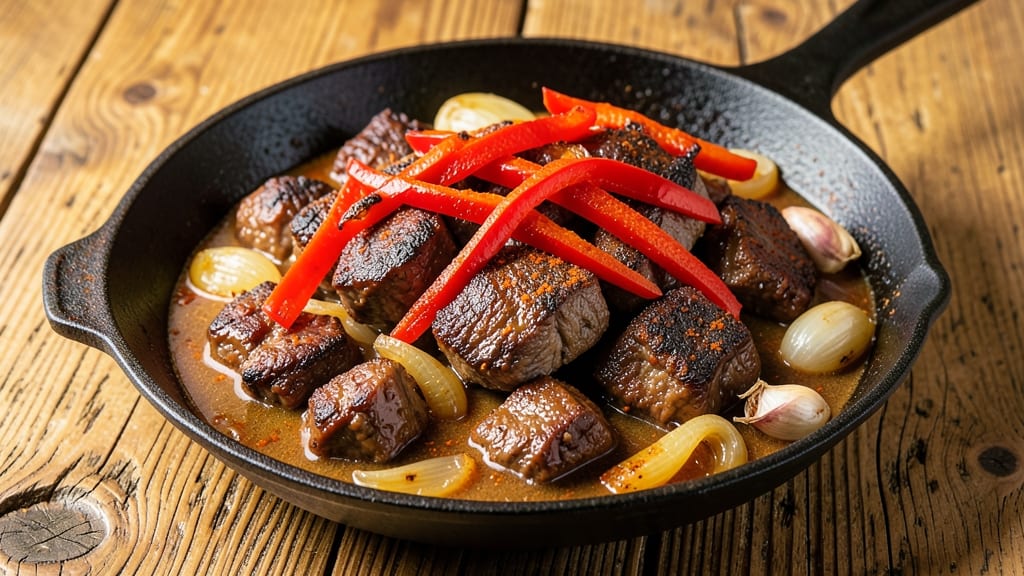
This Austrian beef goulash recipe delivers the hearty, paprika-rich flavors that make it a classic comfort dish. The secret lies in slow-browning beef chunks until deeply caramelized, then simmering them in a rich, smoky sauce until fork-tender.
What sets this version apart is the balance of sweet and spicy paprika—a hallmark of traditional Austrian cooking—that transforms tough cuts into melt-in-your-mouth perfection.
The process begins with searing the beef in batches to develop a flavorful crust, then deglazing the pan to capture every last bit of browned goodness. Aromatic onions, bell peppers, and tomatoes build the sauce's depth, while a touch of vinegar brightens the final result.
The long simmer (about 2 hours) ensures the beef becomes so tender it practically falls apart with each bite.
What you'll end up with is a restaurant-quality stew that's rich, aromatic, and deeply satisfying—ideal for cold evenings or family gatherings. The sauce clings to the beef, creating a harmonious blend of smoky, slightly sweet, and tangy flavors that feel both nostalgic and refined.
Serve it with crusty bread or fluffy dumplings to soak up every last drop.
This recipe stays true to its Austrian roots while adapting for modern kitchens—no special equipment required, just patience and attention to detail. The result? A dish that tastes like home, with layers of flavor that keep you coming back for seconds. Let's get cooking!
Ingredients for austrian beef goulash
Sixteen ingredients, two hours of simmering, one unforgettable dish.
| Ingredient | Amount | Notes |
|---|---|---|
| Chuck Roast 🥩 | 3 lb | Cut into 1.5-inch chunks |
| Yellow Onions 🧅 | 2 whole | Thinly sliced, about 3 cups |
| Green Bell Peppers 🌶️ | 2 whole | Sliced into strips |
| Garlic Cloves 🧄 | 6 cloves | Minced, about 2 tbsp |
| Sweet Paprika 🌶️ | 2 tbsp | Hungarian preferred |
| Smoked Paprika 🌶️ | 1 tbsp | For depth of flavor |
| Tomato Paste 🍅 | ½ cup | Squeeze tube or canned |
| Canned Tomatoes 🍅 | 2 cans | 28 oz each, San Marzano preferred |
| Beef Broth 💧 | 2 cups | Low-sodium preferred |
| Red Wine 🍷 | 1 cup | Dry red like Cabernet |
| White Vinegar 💧 | 1 tbsp | For brightness |
| Bay Leaves 🍃 | 2 whole | Removed before serving |
| Allspice Berries 🌿 | 4 whole | Crushed slightly |
| Black Peppercorns 🌶️ | 1 tsp | Freshly cracked |
| Salt 🧂 | 1 ½ tsp | Diamond Crystal preferred |
| Olive Oil 🫒 | 2 tbsp | Extra-virgin for searing |
The beef is everything here—chuck roast is the gold standard for goulash, with enough fat and connective tissue to turn fork-tender after hours of slow cooking. Costco or local butchers usually have it pre-cut into chunks, but if you're buying a whole roast, ask for it to be cut into 1.5-inch pieces. The paprika is non-negotiable: Hungarian sweet and smoked (like Rajka) give that authentic, slightly smoky depth. If you can only find regular paprika, toast it in a dry pan for 30 seconds to bring out its flavor. The onions and bell peppers should be the kind with thick skins—they'll hold up better during the long simmer.
No red wine? Beef broth with an extra splash of balsamic works just as well. The tomato paste can be the squeeze-tube kind from Trader Joe's—it's perfect for this, no waste. Fresh allspice berries are ideal, but if you can only find ground, use half the amount. The vinegar might sound odd, but that 1 tablespoon of white vinegar brightens everything up and cuts through the richness. For the beef broth, low-sodium is key—you don't want to over-salt the whole dish. And if you're feeling fancy, a pinch of sugar (about 1 tsp) at the end balances the acidity beautifully.
This goulash tastes even better the next day—honestly, it's worth making a double batch. Keeps for 5 days in the fridge, freezes for 3 months. I like to portion it into containers with a side of crusty bread or egg noodles for easy lunches. The sauce thickens as it cools, so add a splash of water or broth when reheating. And if you've got leftovers, freeze in single portions—perfect for quick weeknight suppers.
Why You'll Love This Recipe
- One-Pot Magic: Honestly, this dish is a lifesaver when I’m too tired to dirty more than one pan. Chuck roast and onions simmer together while I chop peppers—no fancy techniques, just layers of flavor building in the same pot.
- Paprika Kiss: That sweet paprika? It’s the secret weapon. It gives the goulash this warm, slightly smoky depth that makes it taste like a home-cooked hug. The garlic cloves sizzling in the oil first? Absolute perfection.
- Leftovers That Shine: Between us, this recipe begs for leftovers—better the next day, honestly. I’ll make a double batch on Sundays, freeze half, and still have hearty lunches for the week. (Yes, even on a Tuesday night.)
- Budget-Friendly Feast: Chuck roast stretches across meals without breaking the bank, and the veggies bulk it up for a full, satisfying plate. It’s the kind of dish where I can feed four for less than takeout, and everyone’s still asking for seconds.
Step-by-step instructions for Austrian beef goulash
This rich, paprika-spiced goulash delivers melt-in-your-mouth beef and deep flavor in one pot.
Sear the Chuck Roast for Maximum Flavor
Pat the 3 lb chuck roast dry with paper towels and cut it into 1.5-inch chunks. Heat the 2 tbsp olive oil in a large Dutch oven over medium-high heat until shimmering. Working in batches, add the beef chunks and sear for 3-4 minutes per side until deeply browned. You want that crusty exterior—it's where all the flavor starts.
Don't crowd the pan or the temperature will drop. Once all the beef is browned, transfer it to a plate and set aside. You'll notice the meat releases easily when it's ready to flip—this is your signal it's properly seared. The browned bits left in the pot will form the foundation of your sauce, so don't wipe them out.
Build the Flavor Base with Aromatics
In the same Dutch oven, add the thinly sliced 2 whole yellow onions and sliced 2 whole green bell peppers. Cook for 5-6 minutes, stirring occasionally, until the onions soften and the peppers begin to caramelize slightly. Add the minced 6 cloves garlic and cook for another 30 seconds until fragrant—you should smell that sweet garlic aroma filling your kitchen.
Here's the thing—don't let the garlic burn. It turns bitter fast. Immediately after adding the garlic, stir constantly until it's just golden. This is where the paprika comes in: sprinkle in the 2 tbsp sweet paprika and 1 tbsp smoked paprika, stirring to coat everything evenly. The spices will bloom and fill your kitchen with that unmistakable goulash aroma.
Develop the Sauce with Tomato and Wine
Stir in the 0.5 cup tomato paste and cook for 2 minutes until it darkens slightly. Pour in the 1 cup red wine and scrape up all those delicious browned bits from the bottom of the pot with a wooden spoon. Let the wine simmer for 3-4 minutes until reduced by about half—this concentrates the flavors and removes some of the alcohol.
Add the 2 cans canned tomatoes (crushed by hand if they're whole), 2 cups beef broth, 1 tbsp white vinegar, 2 whole bay leaves, crushed 4 whole allspice berries, and 1 tsp freshly cracked black peppercorns. Bring to a gentle simmer, then return the beef to the pot. The liquid should just barely cover the meat—if it looks too thin, add a splash more broth.
Simmer Until Tender and Flavorful
Cover the Dutch oven and reduce heat to low. Let the goulash simmer gently for 2-2.5 hours, stirring occasionally. You're looking for the beef to become fork-tender—when you pierce a chunk with a fork, it should slide in easily with just slight resistance. The sauce should thicken naturally as it reduces, coating the beef in a rich, paprika-infused glaze.
I know it's tempting to check constantly, but resist the urge. Every time you lift the lid, you lose heat and moisture. Instead, trust the process and let that low simmer work its magic. The allspice berries will add subtle warmth, the bay leaves earthy depth, and the paprika that signature smoky sweetness that makes goulash so special.
Finish and Serve with Perfect Texture
Once the beef is tender, remove the bay leaves and allspice berries. Taste and adjust seasoning with the 1.5 tsp salt if needed—you might need more or less depending on your broth and tomatoes. The goulash should be rich but not overly salty, with a perfect balance of sweet, smoky, and tangy flavors.
Serve immediately over hot buttered egg noodles or crusty bread, letting everyone scoop up that delicious beef and sauce. The beef should be so tender it practically falls apart with a gentle fork, while the sauce clings beautifully to each bite. This is comfort food at its finest—warm, hearty, and packed with flavor that lingers long after the last bite.
Pro Tips For Making Austrian Beef Goulash
- SEAR THE ROAST FIRST: Chuck roast needs that deep, caramelized crust to hold up during hours of simmering. Don’t skip the 4-5 minutes per side on high heat—even if it looks uneven at first. I used to rush this, and the meat would turn out dry and flavorless. Let it get dark brown before adding anything else.
- CHOP ONIONS SMALL: Tiny dice (1/4-inch or smaller) for the onions and bell peppers means they’ll soften completely without turning to mush. I learned this the hard way—big chunks make the goulash look messy and taste uneven. Use a sharp knife and don’t be lazy; it’s worth the extra 5 minutes.
- DON’T STIR THE PAPRIKA: Once you add the sweet paprika, let it bloom in the oil for 30 seconds without stirring. This prevents clumping and ensures even color. I was skeptical until I tried it—now my goulash has that rich, consistent hue instead of splotchy patches.
- SIMMER LOW AND COVERED: After browning the meat, reduce heat to the lowest setting and cover the pot. The chuck roast needs 3-4 hours to tenderize, but high heat will toughen it. I used to check it every 10 minutes, but leaving it alone guarantees melt-in-your-mouth texture.
Dietary considerations for this recipe
Gluten-Free Adaptations
This goulash recipe naturally accommodates gluten-free diets by eliminating flour-based thickeners. The long simmer creates a rich, naturally thickened sauce without any gluten-containing ingredients. For serving, opt for gluten-free bread or egg noodles made with rice or corn flour.
Brands like Barilla gluten-free or King Arthur gluten-free pasta work beautifully. The beef and paprika flavors shine without gluten interference. 🥖
Dairy-Free Options
The original recipe is dairy-free, but you can enhance it further by using dairy-free butter on your noodles or bread. For extra richness, stir in 2 tablespoons coconut milk during the final 10 minutes of simmering.
This adds a subtle creaminess without dairy. Just avoid traditional butter or cream-based garnishes. The dish remains hearty and satisfying on its own. 🥥
Low-Carb Variations
Transform this into a low-carb masterpiece by skipping the bread or noodles and serving it over cauliflower rice or shredded Brussels sprouts. The beef and paprika sauce provide all the satisfaction without the carbs.
For extra flavor, top with fried capers or pickled jalapeños—both add tangy brightness that complements the smoky beef. This version keeps the dish filling while aligning with low-carb goals. 🥦
Vegetarian Substitutes
For a vegetarian twist, replace the beef with extra-firm tofu or mushroom medley (shiitake, cremini, and portobello). Press and pan-fry the tofu until crispy, then simmer it in the sauce for 30-40 minutes to absorb the flavors.
For mushrooms, use 1.5 lbs total, sliced thickly, and cook them until tender. The paprika and tomatoes create a rich, meaty texture without actual meat. 🍄
Allergen-Friendly Adjustments
If nut allergies are a concern, this recipe is already safe as written. For added peace of mind, verify that your paprika and spices are processed in nut-free facilities. The canned tomatoes and broth are typically allergen-free, but always check labels.
For extra caution, use a dedicated pot and utensils if cross-contamination is a risk. The dish remains delicious while being allergen-conscious. 💯
Nutrition facts
Frequently asked questions
Can I substitute chuck roast with another beef cut?
Yes, but choose cuts with enough fat and connective tissue for tender results. Brisket or short ribs work well, though they may need 30-45 extra minutes of simmering. Avoid lean cuts like sirloin—they'll dry out. If using pre-cut stew meat, trim excess fat to 1/4-inch thickness for cleaner flavor.
Why does my goulash taste bitter? Common mistakes?
Bitterness usually comes from burnt garlic or overcooked tomatoes. Always stir garlic constantly until just golden (30 seconds max), and never let the tomatoes boil dry. Another culprit is too much smoked paprika—stick to the 1 tbsp called for. For balance, add 1 tsp sugar or 1 tbsp vinegar at the end.
How can I make this goulash faster without a slow cooker?
Use a pressure cooker (like Instant Pot) for 45 minutes on high pressure, then natural release. For stovetop, sear the beef normally, then simmer uncovered at medium-high heat for 1.5 hours, stirring every 15 minutes to prevent scorching. The beef will be slightly less fall-apart tender but still delicious.
What's the best way to reheat leftovers?
Gently reheat on the stovetop over low heat with 1-2 tbsp water or broth to loosen the sauce. If using the microwave, cover with a damp paper towel and heat in 1-minute intervals until steaming. The sauce thickens when cooled, so add liquid as needed. Never reheat to a boil—it can make the beef tough.
Can I make this goulash in a Dutch oven on a grill?
Preheat your grill to medium-high (400°F) and place the Dutch oven directly on the grates. Sear the beef as directed, then move the pot to indirect heat. Cover and cook for 1.5-2 hours, checking occasionally to prevent flare-ups. The smoky grill flavor adds a delicious twist to the traditional recipe.