
Main Courses
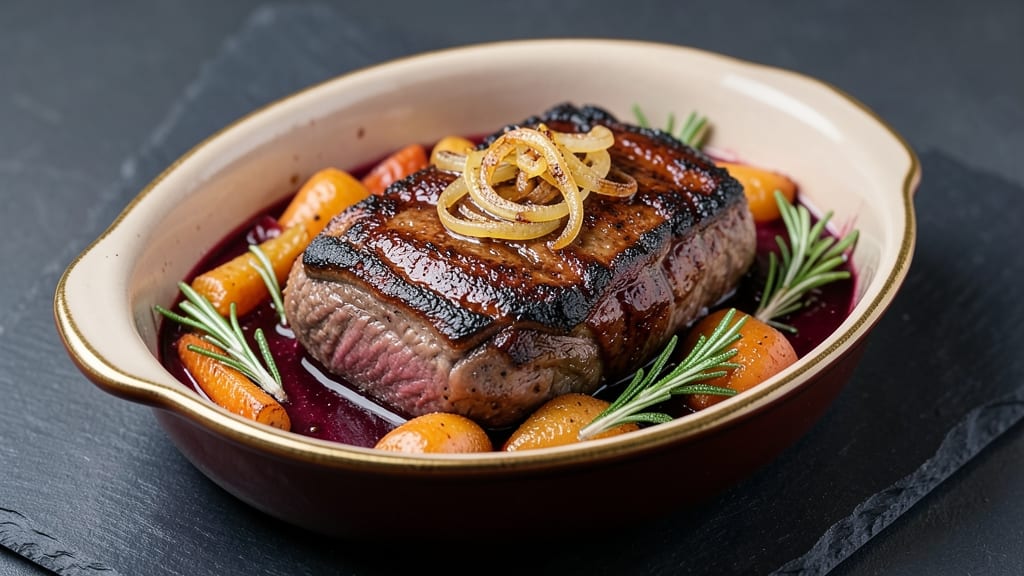
This Atkins beef and Merlot recipe transforms tough cuts into melt-in-your-mouth tenderness using a rich, wine-infused braise—without the carbs. The secret lies in slow-cooking beef with Merlot, garlic, and herbs until it practically falls apart, all while keeping it strictly low-carb compliant.
No grains, no potatoes, just deep, savory flavor that satisfies both your taste buds and your dietary goals.
The process is straightforward yet impressive: sear the beef first for depth of flavor, then braise it in a Merlot reduction with aromatic vegetables and herbs. The wine not only tenderizes the meat but also creates a luscious, slightly tangy sauce that coats every bite.
This method ensures your beef stays tender and juicy, while the sauce delivers restaurant-quality richness without the guilt.
What you’ll end up with is a dish that’s elegant enough for a dinner party but simple enough for a weeknight—perfectly tender beef swimming in a velvety Merlot sauce, paired with low-carb sides like roasted Brussels sprouts or cauliflower mash.
Every bite is packed with flavor, making it a standout meal that proves low-carb eating doesn’t mean sacrificing taste.
Whether you’re following Atkins or just love a hearty, wine-braised beef dish, this recipe delivers bold flavor and satisfying texture without the carb-heavy traditional sides. The best part? It’s a one-pot wonder, so cleanup is minimal. Let’s get cooking!
Ingredients for atkins beef merlot
Rich, savory ingredients that transform tough beef into melt-in-your-mouth perfection—no carbs needed.
| Ingredient | Amount | Notes |
|---|---|---|
| Chuck Roast Beef 🥩 | 2 lb | Tough cut, trimmed of excess fat |
| Dry Red Merlot Wine 🍷 | 1 ½ cups | Bold, dry variety preferred |
| Yellow Onion 🧅 | 1 whole | Medium size, sliced into half-moons |
| Garlic Cloves 🧄 | 6 cloves | Fresh, peeled and lightly crushed |
| Carrots 🥕 | 4 whole | Medium size, cut into thick rounds |
| Fresh Rosemary 🌿 | 2 tbsp | Chopped, or 2 tsp dried equivalent |
| Fresh Thyme 🌿 | 1 tbsp | Leaves only, or 1 tsp dried |
| Beef Broth 🍲 | 1 cup | Low-sodium preferred |
| Olive Oil 🫒 | 2 tbsp | Extra-virgin for searing |
| Salt 🧂 | 1 ½ tsp | Kosher or sea salt |
| Black Peppercorns 🌶️ | 1 tsp | Freshly cracked |
| Balsamic Vinegar 🍶 | 1 tbsp | For sauce depth |
| Unsalted Butter 🧈 | 2 tbsp | Cold, for finishing |
The beef is everything here. Chuck roast is the star—it's tough but becomes fork-tender when braised properly. Grab it from the butcher counter if possible; they can trim it to your preference. A 2-pound roast serves four generously, but don't skimp on the wine—Merlot should be bold and dry, not sweet. I always pick up a bottle of Caymus Vineyards or Apothic when I'm doing this recipe; they're reliable and affordable. Look for good marbling in the meat—it means more flavor when it melts down.
No Merlot? Cabernet Sauvignon or Pinot Noir work in a pinch, but avoid anything fruity or oaky. Fresh herbs are ideal, but dried thyme and rosemary at one-third the amount will do. The carrots can be baby carrots if that's what's in your fridge—no need to peel them. For extra depth, add a 1 tbsp tomato paste with the onions. And if you're worried about the wine reducing too much, start with 1.75 cups instead. The butter at the end? Full-fat is non-negotiable—it adds richness that nothing else can match.
This dish tastes even better the next day as the flavors meld. Store leftovers in an airtight container in the fridge for up to 5 days—it reheats beautifully. For freezing, portion into single-serving containers and it'll keep for 3 months. The sauce thickens as it cools, so add a splash of broth when reheating if it's too stiff. And if you've got extra, it pairs perfectly with cauliflower mash or zucchini noodles for a complete low-carb meal.
Why You'll Love This Recipe
- One-Pot Magic: The chuck roast and carrots all cook together—no extra pots, no extra stress. Just brown the meat, toss in the wine and onions, and let the slow cooker (or Dutch oven) do the rest. That’s three fewer dishes to wash, honestly.
- Wine-Infused Richness: The Merlot doesn’t just flavor the sauce—it melts into the beef, giving it this deep, velvety satisfaction. It’s like a fancy steakhouse bite, but with the simplicity of a weeknight dinner. (Yes, even on a Tuesday night.)
- Leftovers That Shine: This recipe actually improves the next day. The flavors meld even more, and the beef gets fork-tender. I’ll be real: my freezer’s got three containers of this right now because it’s that good reheated over rice or mashed cauliflower.
- Budget-Friendly Feast: A chuck roast stretches to feed four for dinner and two more for lunch. The Merlot adds depth without breaking the bank, and onions/garlic/carrots are pantry staples. It’s the kind of meal that makes grocery day less painful.
Step-by-step instructions for Atkins beef and Merlot braise
Transform tough chuck roast into melt-in-your-mouth beef with this low-carb wine braise.
Sear the Beef for Maximum Flavor
Pat the 2 lb chuck roast beef completely dry with paper towels—this ensures a proper sear. Heat 2 tbsp olive oil in a heavy Dutch oven over medium-high heat until shimmering. Add the beef and sear on all sides for 4-5 minutes per side until deeply browned. I press down gently with a spatula during the first minute to prevent curling.
Real talk: this searing step is non-negotiable. The Maillard reaction happening here creates that deep, caramelized flavor that transforms tough beef into tender perfection. Don't rush it—you'll know it's ready when the beef releases easily from the pan and has developed a rich, golden crust.
Build the Aromatic Base
Remove the beef and set it aside. In the same Dutch oven, add 1 whole yellow onion sliced into half-moons and 4 whole carrots cut into thick rounds. Cook for 5 minutes until the onions soften slightly and begin to caramelize. Add the 6 cloves garlic cloves and cook for 30 seconds until fragrant.
Stir in the 2 tbsp fresh rosemary and 1 tbsp fresh thyme, letting the herbs toast for 1 minute until their aromas fill your kitchen. This is where all the magic begins—the combination of caramelized vegetables and toasted herbs creates the flavor foundation for your braise. Don't skip this step; it makes all the difference in the final dish.
Deglaze and Simmer the Wine
Pour in the 1.5 cups dry red merlot wine, scraping up all those delicious browned bits from the bottom of the pan with a wooden spoon. This deglazing step captures all the concentrated beef flavor that would otherwise be lost. Bring to a simmer over medium heat and let it reduce by half, which should take about 5 minutes. You'll notice the wine darkens and intensifies in flavor as it reduces.
Add the 1 cup beef broth and 1.5 tsp salt, then return the beef to the pot. The liquid should come about halfway up the sides of the beef. Cover the pot and transfer it to a 325°F oven. This low-and-slow cooking method is crucial for breaking down the tough beef fibers and creating that fork-tender texture.
Braise Until Fork-Tender
Cook for 3 hours, then carefully flip the beef over and add the 1 tbsp balsamic vinegar. Return to the oven and cook for another 1-2 hours until the beef is fork-tender and easily pulls apart. I check for doneness by inserting a fork—it should slide in with minimal resistance and the meat should feel soft and yielding.
The balsamic vinegar adds a subtle tang that balances the richness of the beef and wine. Don't be tempted to rush this step. The beef needs this time to transform from tough to tender. If you're short on time, you can finish it on the stovetop at the end, but oven braising gives you the best results.
Finish with Butter and Serve
Remove the beef from the pot and let it rest for 10 minutes while you finish the sauce. Place the Dutch oven over medium heat and add the 2 tbsp unsalted butter, letting it melt and foam. Stir in 1 tsp black peppercorns and let the sauce thicken slightly for 2-3 minutes. The butter adds richness and helps create a glossy finish.
Slice the beef against the grain into ¼-inch thick slices and serve immediately with the sauce spooned over the top. Each bite should deliver tender, flavorful beef with a rich, wine-infused sauce. This low-carb braise is perfect for Atkins-friendly meals and delivers restaurant-quality results at home.
Pro Tips For Making Atkins Beef Merlot
- SEAR THE ROAST FIRST: DESCRIPTION:
- DEGLAZE WITH WINE IMMEDIATELY: DESCRIPTION:
- CHOP ONIONS SMALLER THAN YOU THINK: DESCRIPTION:
- LET THE BEEF REST UNDER FOIL: DESCRIPTION:
Troubleshooting this dish
Wine Reduction Issues
If your wine reduces too quickly and becomes overly concentrated, start with 1.75 cups instead of 1.5 cups to give yourself a buffer. I’ve found that using a heavy-bottomed Dutch oven (like Le Creuset) helps distribute heat evenly and prevents scorching.
Also, avoid high heat—keep it at a gentle simmer to maintain balance in the flavors. 🌡️
Beef Too Tough
If your beef isn’t tender after 4-5 hours, it likely didn’t braise long enough. Chuck roast needs patience—extend cooking time by 1 hour increments until it easily pulls apart with a fork.
For extra tenderness, add ½ cup extra beef broth halfway through cooking to keep the beef moist. Never rush this step; slow cooking is key to breaking down tough fibers.
Sauce Too Thin
A thin sauce usually means the wine reduced too much or the beef absorbed too much liquid. To fix this, remove the beef and reduce the sauce on the stovetop over medium heat until it thickens slightly.
If it’s still too thin, mix 1 tbsp cornstarch with 2 tbsp cold water, stir it into the sauce, and simmer for 2-3 minutes. For a low-carb option, use xanthan gum (¼ tsp dissolved in 1 tbsp cold water) instead.
Herbs Too Bitter
Fresh rosemary and thyme can turn bitter if overcooked. To prevent this, add the herbs only after the onions and carrots have softened slightly—about 3-4 minutes into the searing process.
If they taste bitter, start fresh and use ½ the amount (1 tbsp rosemary, ½ tbsp thyme) for a milder flavor. Dried herbs are a safer bet if you’re unsure about fresh.
Beef Overcooked
If your beef is dry and stringy, it’s been overcooked. Pull it out when it reaches 195°F internal temperature (not 203°F), which is the ideal range for tender, juicy results. For extra insurance, use a meat thermometer (like the ThermoWorks Smoke) to monitor progress.
If it’s overdone, shred the beef and serve it with the sauce as a filling for low-carb lettuce wraps or over cauliflower rice.
Wine Flavor Weak
A weak wine flavor often means the beef absorbed too much of the liquid or the wine wasn’t bold enough. To compensate, use a full-bodied Merlot (like Caymus) and add 1 tbsp balsamic vinegar at the end to deepen the sauce.
If the flavor is still lacking, reduce the sauce further on the stovetop until it thickens and intensifies. A splash of beef broth (¼ cup) can also help restore balance without diluting the wine’s essence.
Nutrition facts
Frequently asked questions
Can I substitute another red wine besides Merlot?
While Merlot works beautifully, you can use Cabernet Sauvignon or Pinot Noir for a similar depth of flavor. Avoid sweet or fruity wines like Zinfandel—they’ll overpower the dish. For extra richness, try a bold, dry Bordeaux-style blend. The key is choosing a wine with enough body to stand up to the beef's intensity.
How do I make this recipe keto-friendly?
This recipe is already keto-compliant, but you can enhance it further by swapping the carrots for cauliflower florets and using bone broth instead of regular beef broth. For extra fat (which helps with ketosis), add 2 tbsp heavy cream when finishing the sauce. Just watch your portion sizes—beef is already high in fat, so balance it with low-carb sides like sautéed mushrooms or a simple green salad.
Can I use a slow cooker instead of the oven?
Yes! Follow the same searing steps, then transfer everything to a slow cooker. Cook on low for 8 hours or high for 5-6 hours, adding the balsamic vinegar in the last 30 minutes. The texture will be slightly different (more saucy), but still delicious. For best results, use the slow cooker’s "high" setting to mimic the oven’s gentle heat. The beef will be tender, though the sauce may need reduction at the end.
What’s the best way to reheat leftovers?
Reheat leftovers gently to avoid drying out the beef. Place slices in a skillet over low heat with a splash of beef broth, covering with a lid for 5-7 minutes. For the sauce, warm it separately in a saucepan over medium-low heat, stirring occasionally. If the sauce thickens too much, thin it with a little extra broth. Leftovers taste even better the next day as flavors meld!
Can I make this dish with a different cut of beef?
While chuck roast is ideal for its marbling and tenderness, you can use stew beef or short ribs for a similar result. Avoid lean cuts like sirloin—they’ll dry out. If using short ribs, reduce cooking time by 30-45 minutes since they cook faster. For extra flavor, add 1 tbsp Worcestershire sauce (check for sugar-free if strict on Atkins) during the braising stage.