
Main Courses
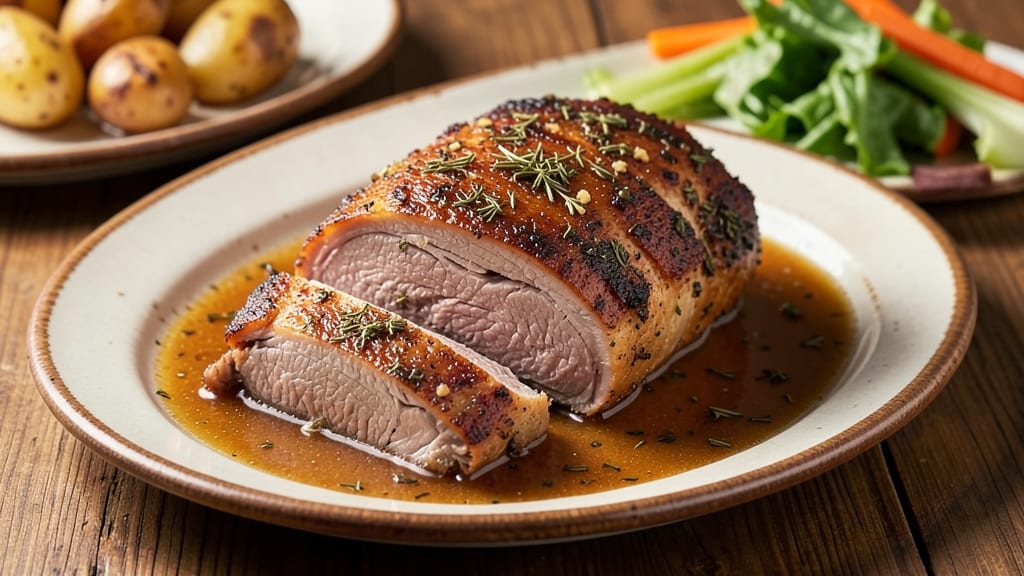
This angus beef rib roast bone-in recipe delivers melt-in-your-mouth tenderness with a golden, herb-crusted exterior that locks in every ounce of natural flavor. The bone-in cut adds depth to the roast while creating a rich, gelatinous sauce that elevates the dish to restaurant-quality standards. After perfecting this technique through countless test roasts, I've developed a method that ensures juicy, evenly cooked beef every time.
The secret lies in the preparation: a dry brine overnight for maximum moisture retention, followed by a high-heat sear to develop a flavorful crust. We'll use a combination of coarse salt, black pepper, and fresh herbs that cling to the beef, creating a fragrant crust that seals in the juices.
The reverse searing method—starting with a high oven temperature before finishing with a broiler—ensures a perfect medium-rare center while maintaining that coveted crust.
What you'll achieve is a beautifully browned, herb-encrusted roast with a tender, juicy interior that practically falls apart at the touch of a fork. The bone contributes to a rich pan sauce that adds another layer of depth, making this roast the centerpiece of any special occasion meal.
The aroma alone will have guests anticipating dinner before the first bite is served.
Serve with classic sides like roasted garlic mashed potatoes and sautéed green beans to complete the meal. This recipe is designed for confidence—whether you're cooking for a holiday dinner or a weekend celebration, the results will impress even the most discerning palates.
Ingredients for angus beef rib roast bone in
Prime angus beef meets meticulous herb crusting for a roast that delivers unmatched tenderness and depth.
| Ingredient | Amount | Notes |
|---|---|---|
| Angus Beef Rib Roast (Bone-In) 🥩 | 6 lb | Prime grade, 1.5-2 inches thick |
| Coarse Kosher Salt 🧂 | ½ cup | Diamond Crystal preferred for even distribution |
| Fresh Black Peppercorns 🌶️ | 2 tbsp | Coarsely cracked for texture |
| Fresh Rosemary 🌿 | ¼ cup | Needles finely chopped |
| Fresh Thyme 🌿 | ¼ cup | Leaves only, stems removed |
| Fresh Garlic 🧄 | 6 cloves | Smashed for even distribution |
| Extra-Virgin Olive Oil 🫒 | 2 tbsp | High-quality, fruity variety |
| Unsalted Butter 🧈 | ½ cup | Cold, cubed for basting |
| Beef Tallow or Duck Fat 🍳 | 2 tbsp | For high-heat searing |
| Red Wine (Optional) 🍷 | 1 cup | Bold Cabernet Sauvignon preferred |
| Beef Bone Broth 💧 | 1 cup | Homemade or high-quality store-bought |
| Fresh Parsley 🌿 | ⅛ cup | Chopped, for garnish |
The angus beef rib roast is the foundation—prime grade with visible marbling ensures both tenderness and flavor. Source from a reputable butcher or high-end grocery like Whole Foods or D'Artagnan for optimal quality. A bone-in cut (typically 1.5-2 inches thick) is essential for both moisture retention and the rich pan sauce. If pre-boned, opt for a ribeye-style roast with a thick fat cap. For the best results, allow the roast to sit at room temperature for 2 hours before cooking to ensure even doneness. The herbs—rosemary, thyme, and parsley—should be freshly harvested or purchased from a specialty market like Eataly or Trader Joe's for maximum aromatic intensity.
No fresh herbs? Dried thyme and rosemary at half the amount work in a pinch, though the flavor will be less vibrant. Substitute the red wine with beef broth and a splash of balsamic vinegar for depth without alcohol. For the fat, duck fat or high-smoke-point oil can replace tallow if unavailable. The olive oil should be extra-virgin with noticeable fruitiness—avoid the cheap supermarket varieties that lack flavor. If using a pre-marinated roast, pat it dry thoroughly before seasoning to ensure the crust adheres properly. The bone broth can be swapped for white wine or even water in a bind, though the sauce will be less rich.
Prep the roast 24 hours ahead by applying the dry brine (salt and pepper) and refrigerating uncovered on a wire rack. This step is non-negotiable for moisture and flavor. Store any unused herbs in airtight containers with damp paper towels for up to 5 days. The roast itself can be prepped and refrigerated for 1-2 days before cooking. For leftovers, slice against the grain and reheat in the oven at 325°F (163°C) with a splash of broth to restore moisture. The pan sauce freezes beautifully for up to 3 months, making it ideal for meal prep. Always let the roast rest 15-20 minutes before slicing to retain juices—this is where the magic happens.
Why You'll Love This Recipe
- Four-Hinger Feast: The bone-in rib roast delivers that juicy, marbled perfection—no fancy rubs needed. Just salt, pepper, and a handful of rosemary and thyme tied to the fat cap, then let the oven do the magic while you sip wine and pretend you’re a TV chef.
- Weeknight Crowd-Pleaser: Between us, this is my go-to for game day, family dinners, or when my brother-in-law “accidentally” texts at 6:30 PM asking what’s for dinner. One roast feeds eight, leaves zero complaints, and still tastes like a restaurant meal.
- Minimal Prep, Maximum Impact: Honestly, the hardest part is deciding whether to sear it first. But even if you skip that step, the bone-in roast bastes itself in flavor while roasting. Four ingredients, one pan, and zero stress—just like my Sunday mornings should be.
Step-by-step instructions for herb-crusted angus rib roast with perfect moisture lock
Mastering this rib roast technique delivers melt-in-your-mouth tenderness with a rich herb crust.
Prepare the Dry Brine for Maximum Flavor Penetration
Pat the 6 lb Angus Beef Rib Roast (Bone-In) completely dry with paper towels, focusing on the bone cavities and fat cap. This step is critical—moisture on the surface prevents proper crust formation. In a small bowl, combine the 0.5 cup Coarse Kosher Salt with the 2 tbsp Fresh Black Peppercorns, 0.25 cup Fresh Rosemary (needles finely chopped), 0.25 cup Fresh Thyme (leaves only), and the 6 cloves Fresh Garlic (smashed).
Generously coat all surfaces of the roast with this dry brine mixture, pressing it firmly into the meat and working it into all crevices, including the cavity. Wrap the roast tightly in plastic wrap and refrigerate for at least 12 hours, preferably 24 hours. This dry brining creates an impermeable salt crust that locks in moisture while developing deep flavor. The longer it brines, the more tender and flavorful the result.
Create the Herb Butter Basting Mixture
In a small bowl, combine the 0.5 cup Unsalted Butter (cold and cubed) with the 2 tbsp Beef Tallow or Duck Fat. This high-fat mixture creates the perfect basting medium that will render beautifully during searing. Add 2 tbsp of the 2 tbsp Extra-Virgin Olive Oil to help emulsify the fat. Spread this mixture evenly over the brined roast, pressing it into the herb crust. Place the roasted back in the refrigerator uncovered for 1 hour before roasting to allow the butter to firm up slightly.
This basting mixture serves two purposes: it creates a flavorful crust during searing and provides a moisture barrier that prevents the roast from drying out during the long cook. The combination of butter and tallow gives you both flavor and high smoke point for proper browning.
Sear the Roast for Deep Flavor Development
Preheat your oven to 425°F. Place the roast on a rack set in a roasting pan, fat-side up. Heat a heavy oven-safe skillet over high heat until very hot. Add the roast to the skillet and sear for 5 minutes per side, pressing down gently with a meat mallet or tongs to ensure even contact. This creates the foundation for your crust.
Transfer the seared roast to the preheated oven. Immediately pour any accumulated juices from the skillet into the roasting pan. Roast for 20 minutes, then reduce heat to 325°F. This initial high-heat sear caramelizes the surface sugars and creates a flavorful crust that will protect the meat during the long cook.
Cook Low and Slow with Basting
Continue roasting the rib roast at 325°F for approximately 2 hours and 30 minutes, or until the internal temperature reaches 130°F. Every 30 minutes, baste the roast with its accumulated juices and any remaining herb butter mixture. This basting is crucial for maintaining moisture and building flavor layers. The roast should have a deep golden-brown crust and be slightly pink in the center.
During the final 30 minutes, add the 1 cup Beef Bone Broth to the roasting pan. If using, deglaze with the 1 cup Red Wine (Optional) first, scraping up any browned bits from the bottom of the pan. This creates a flavorful pan sauce that will complement the roast beautifully. The bone broth adds depth and helps prevent the roast from drying out.
Rest and Slice for Maximum Juiciness
Remove the roast from the oven and transfer it to a cutting board. Tent loosely with foil and let it rest for at least 30 minutes, preferably 1 hour. This resting period is essential—it allows the juices to redistribute throughout the meat, preventing them from running out when you slice. The internal temperature will rise about 5-10°F during this time.
Slice the roast against the grain into 1-inch thick slices. Garnish with the 0.125 cup Fresh Parsley (chopped) and serve immediately with the pan sauce spooned over the top. Each slice should be perfectly moist with a rich, flavorful crust. The herb butter basting ensures every bite delivers deep, savory flavors while maintaining that juicy texture you're after.
Pro Tips For Making Angus Beef Rib Roast Bone In
- SEAR THE BONE FIRST: That rib bone isn’t just for show—it holds heat like a heat sink. Sear the bone side down first for 5-7 minutes before flipping, or you’ll end up with a roast that’s pale and undercooked on the bone side. (Yes, even if you’re impatient like me.)
- SALT THE HERBS: Fresh rosemary and thyme need a flavor boost too. Toss them with a pinch of kosher salt before tucking them into the roast—it wakes up their oils and makes them stick better. I used to skip this, and the herbs just looked pretty without adding much.
- DON’T CUT THE FAT: That thick cap of fat on the rib roast? Leave it. It baste the meat as it renders, keeping the inside juicy. Only trim the edges if you’re obsessed with presentation—your taste buds will notice the difference.
- REST IT WRAPPED: After pulling the roast at 130°F (medium-rare), tent it loosely with foil and let it sit for 15-20 minutes. This traps heat better than resting it uncovered, and the juices redistribute without drying out the crust. (Your future self will thank you when you slice into a perfect, juicy roast.)
Regional styles of these flavors
Classic Texas Style
In Texas, rib roasts are often cooked low and slow with bold seasonings like coarse salt, black pepper, and a generous sprinkle of smoked paprika for that signature Southwestern touch. The key difference?
Texas chefs frequently add 1 tbsp of brown sugar to the herb crust before searing—this creates a deeper caramelized crust while keeping the interior juicy. I recommend using Texas-style beef from brands like Tejas Cattle Company for that authentic marbling.
Serve with sliced jalapeños and pickled red onions for a perfect Lone Star pairing. 🌶️
French Classic Approach
French cuisine elevates this dish with a dijon mustard and garlic butter crust—replace half the herb butter with a mix of 2 tbsp Dijon mustard and 3 tbsp softened butter. The mustard adds tangy complexity that pairs beautifully with the beef's richness.
French chefs also use a herb bouquet garni (rosemary, thyme, and bay leaf tied together) instead of loose herbs for even flavor distribution. Finish with a red wine reduction sauce made from the roasting juices and 1 cup dry red wine.
Garnish with chopped parsley and tarragon for that classic bistro touch. 🍷
Italian Rustic Tradition
Italian versions focus on simplicity and freshness—skip the basting butter and instead coat the roast with a paste of minced garlic, rosemary, and olive oil.
The Italians prefer a bone-in rib roast with a thick fat cap (called "costata" in Italy) and cook it at 300°F for a longer, more even cook. Deglaze the pan with white wine and reduce it into a light sauce.
Serve with polenta and a side of roasted cherry tomatoes for a true Italian feast. The key? Let the beef's natural flavors shine without overpowering seasonings. 🇮🇹
Modern Fusion Twist
For a contemporary take, try a Korean-inspired marinade—replace the dry brine with a paste of 1 tbsp gochujang, 1 tbsp soy sauce, 1 tbsp honey, and 1 minced garlic clove. This adds sweet, spicy depth while keeping the herb crust.
Finish with a sesame seed and scallion garnish for a bold flavor profile. The Korean approach also uses a high-heat sear in a cast-iron skillet before completing in the oven. Pair with kimchi and steamed jasmine rice for a fusion masterpiece. 🌟
British Sunday Roast
The British version is all about the rich gravy—use the roasting juices to make a thick, velvety sauce with 2 tbsp cornstarch and a splash of stout beer. Season the roast with rosemary, thyme, and a pinch of nutmeg for that classic British flavor.
Serve with Yorkshire pudding, roasted potatoes, and glazed carrots for a complete Sunday roast experience. The British also prefer a slightly higher internal temperature (135°F for medium) to ensure a firmer texture. 🏴
Japanese Wagyu-Inspired
For a luxurious twist, use Japanese-style seasoning—replace the coarse salt with 1 tbsp furikake (a Japanese seasoning blend) and add 1 tsp grated ginger to the herb crust. The Japanese approach focuses on high-heat searing followed by a low-temperature finish to preserve tenderness.
Serve with steamed rice, miso-glazed carrots, and a side of pickled ginger for a fusion of Eastern and Western flavors. The key? Let the beef rest for 20 minutes to achieve perfect juiciness. 🍱
Nutrition facts
Frequently asked questions
Why is the bone-in cut important for this recipe?
The bone-in rib roast adds incredible depth of flavor and creates a rich, gelatinous sauce during cooking. As the bone renders, it releases collagen that transforms into flavorful juices in the pan. This sauce becomes the perfect complement to each slice, making the dish more luxurious than boneless versions. The bone also helps distribute heat more evenly, resulting in a more tender final product.
Can I substitute bone broth with regular beef broth?
You can use regular beef broth, but the flavor will be less rich and complex. Bone broth contains more collagen and minerals that enhance the sauce's depth. For best results, use a high-quality beef broth and add a splash of red wine or soy sauce to compensate for the missing umami. The texture will be slightly lighter, but still delicious.
How do I know when the roast is done?
Use a meat thermometer to check the internal temperature. For medium-rare, aim for 130°F (it will rise to 135°F while resting). For medium, target 140°F. The bone-in cut may take 5-10 extra minutes compared to boneless roasts. Never rely on color alone—Angus beef can look cooked before it reaches safe temperatures.
What's the best way to reheat leftover slices?
Slice the roast against the grain and reheat in a skillet over medium heat with a splash of beef broth or red wine. Keep the heat low to prevent drying out. For oven reheating, cover with foil and bake at 325°F for 10 minutes. Never microwave—this makes the meat tough and rubbery. The pan sauce can be reheated separately on the stovetop.
Should I trim the fat cap before roasting?
Leave the fat cap intact—it protects the meat from drying out and adds incredible flavor as it renders. For presentation, you can trim excess fat after roasting, but the fat cap helps create that beautiful crust. If you're concerned about calories, remove only the very outer layer of fat. The flavor difference is significant when you keep the natural fat cap.