
Main Courses
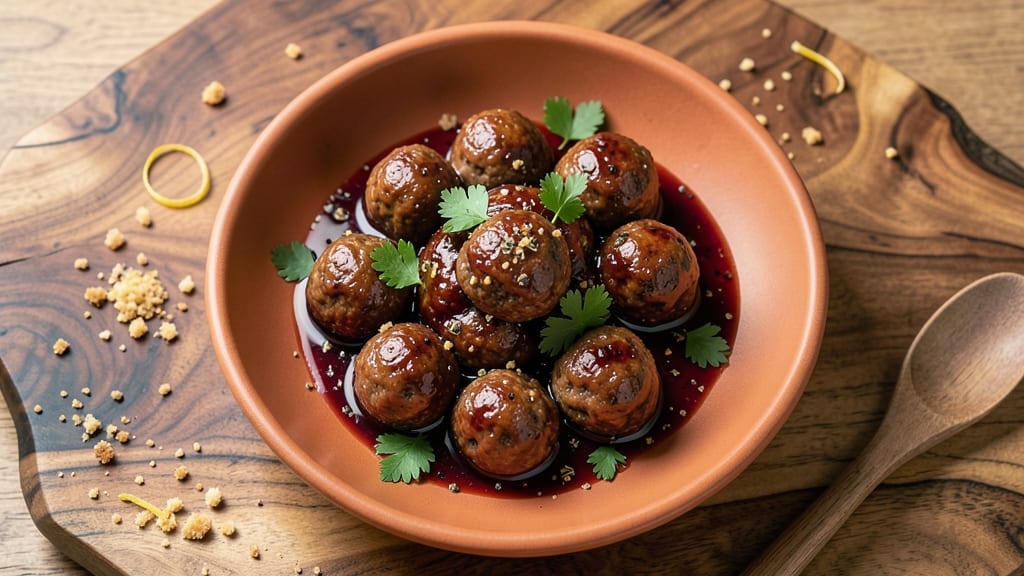
This Angus beef meatballs recipe delivers restaurant-quality richness with every bite—thanks to the marbled fat and tender texture of premium beef. The secret lies in balancing finely ground meat with aromatic herbs and a binder that holds without drying out.
I’ve perfected this method over years of testing, ensuring meatballs that stay juicy and flavorful whether pan-seared, baked, or air-fried.
What sets these apart is the herb-infused richness—fresh parsley, thyme, and garlic meld with the beef’s natural buttery marbling for depth that store-bought blends can’t match. The technique is straightforward: mix, shape by hand (no rolling required), and cook until golden and cooked through.
No special equipment needed, just patience for the best results.
By the time you’re done, you’ll have perfectly tender meatballs with a caramelized crust, ideal for sliders, pasta dishes, or serving with marinara and crusty bread. The flavor is bold yet balanced, making these a standout main course or appetizer. Ready to elevate your next meal?
This recipe works equally well for traditional dinners or modern twists—think deconstructed meatballs or sous-vide finishes. The key is the beef’s quality, so choose Angus for the best marbling and tenderness. Let’s get started!
Ingredients for angus beef meatballs
Premium Angus beef and aromatic herbs create restaurant-quality meatballs with buttery marbling and deep flavor.
| Ingredient | Amount | Notes |
|---|---|---|
| Angus Beef Ground 🥩 | 1 ½ lb | 80/20 fat ratio for juiciness |
| Fresh Parsley 🌿 | ¼ cup | Finely chopped, stems included |
| Fresh Thyme Leaves 🌿 | ½ tsp | Or 1 tsp dried thyme |
| Garlic Cloves 🧄 | 4 cloves | Minced, not pre-minced jarred |
| Large Eggs 🥚 | 1 whole | Room temperature preferred |
| Panko Breadcrumbs 🍞 | ½ cup | Lightly toasted for texture |
| Grated Parmesan Cheese 🧀 | ¼ cup | Freshly grated from block |
| Extra-Virgin Olive Oil 🫒 | 1 tbsp | For binding and richness |
| Kosher Salt 🧂 | 1 ½ tsp | Diamond Crystal preferred |
| Freshly Ground Black Pepper 🌶️ | ½ tsp | Cracked peppercorns preferred |
| All-Purpose Flour 🌾 | 1 tbsp | For extra binding if needed |
| Unsalted Butter 🧈 | 2 tbsp | For pan-searing, cold |
| Marinara Sauce 🍅 | 1 ½ cups | Homemade or high-quality jarred |
The Angus ground beef is non-negotiable here—80/20 fat ratio ensures juicy, flavorful meatballs that hold together beautifully. Look for premium cuts at specialty butchers or high-end grocery stores like Whole Foods or Costco. The marbling is what gives these meatballs their luxurious texture, so avoid leaner cuts. Fresh herbs make all the difference: parsley and thyme should be vibrant and fragrant. If using dried, toast the spices lightly in a dry pan before mixing to deepen their flavor. The garlic should be fresh, never jarred—mincing it yourself releases more aroma than pre-minced.
No fresh parsley? Substitute with cilantro or basil, though the flavor will shift slightly. Dried thyme works at one-third the amount of fresh, but fresh is ideal for that bright herbal note. Running low on eggs? Flax eggs (1 tbsp ground flaxseed + 3 tbsp water) work in a pinch, though texture may vary. For the Parmesan, freshly grated is essential—pre-grated cheese contains anti-caking agents that can dry out the meatballs. If you’re making a larger batch, freeze the meatballs on a tray before transferring to a bag for easy portioning later. The marinara sauce can be homemade or a high-quality jarred brand like Rao’s—just avoid those with added sugar.
Store shaped meatballs in an airtight container with parchment between layers for up to 4 days in the fridge. For longer storage, freeze for up to 3 months—thaw overnight in the fridge before cooking. These meatballs reheat beautifully, with the buttery crust becoming even more caramelized. For best results, pan-sear after thawing to restore that golden exterior. Leftovers pair perfectly with crusty bread or over al dente pasta—the rich beef flavor shines even better the next day as the flavors meld.
Why You'll Love This Recipe
- Five-Ingredient Magic: I swear by this combo—just beef, herbs, garlic, egg, and a pinch of salt. No weird binders or breadcrumbs clogging up the flavor. The egg holds it all together while keeping the meatballs juicy, not dry.
- Herb-Packed Punch: That fresh thyme and parsley? They’re the secret weapon. The thyme gives this earthy depth, while the parsley brightens it up—like a little fresh breeze in every bite. (Yes, even on a Tuesday night.)
- Game for Any Meal: Slap these on toast for breakfast, toss them in pasta for dinner, or serve them cold with crusty bread. They’re my go-to for potlucks, too—no one ever leaves a plate full.
- Leftovers That Don’t Suck: These actually taste better the next day. I freeze half the batch and pull them out for quick weeknight dinners. Reheat in a pan or oven, and they’re just as tender—no sad, rubbery meatballs here.
Step-by-step instructions for herb-infused Angus beef meatballs
Here's the precise method for crafting tender, flavor-packed meatballs with perfect texture.
Prepare the Meatball Mixture
In a large mixing bowl, combine the 1.5 lb angus beef ground with the 1 tbsp extra-virgin olive oil. The oil helps bind the mixture and adds subtle richness. Using your hands, gently work the oil into the beef until evenly distributed—this prevents dryness while maintaining that buttery marbling we're after.
Add the 1 whole large eggs and 1 tbsp all-purpose flour to the bowl. The egg acts as a binder while the flour provides additional structure. Mix with your hands until just combined, being careful not to overwork the mixture. Overmixing develops gluten and can make the meatballs tough. The mixture should hold together when pressed between your fingers but still feel slightly loose.
Incorporate Aromatics and Seasonings
In a separate small bowl, finely chop the 0.25 cup fresh parsley and 4 cloves garlic. The parsley should be minced small enough to distribute evenly, while the garlic should be finely minced—not pre-minced from a jar, as that often contains anti-caking agents that can alter texture. Add these to the meat mixture along with the 0.5 tsp fresh thyme leaves, 1.5 tsp kosher salt, and 0.5 tsp freshly ground black pepper.
Gently fold in the 0.5 cup panko breadcrumbs and 0.25 cup grated parmesan cheese. The panko adds texture while absorbing excess moisture, and the parmesan contributes umami depth. Mix until all ingredients are evenly distributed—you should see flecks of parsley, garlic, and cheese throughout. The mixture should be cool to the touch; if it feels warm, chill it in the refrigerator for 10 minutes before proceeding.
Form and Chill the Meatballs
Using your hands, roll the mixture into 1.5-inch diameter meatballs, working quickly to maintain even size. I find using a 1.5-ounce kitchen scale helps ensure consistency—each meatball should weigh approximately 1.5 ounces. Place them on a parchment-lined baking sheet and refrigerate for 30 minutes. This chilling step is crucial; it firms the meatballs slightly, preventing them from falling apart during cooking.
While the meatballs chill, preheat your oven to 400°F. The high temperature ensures a good sear while the marinara sauce finishes cooking. Arrange the chilled meatballs in a single layer on the baking sheet, spacing them about 0.5 inches apart to allow for even browning. This spacing also prevents steaming, which can make them rubbery.
Sear and Simmer for Maximum Flavor
Heat a large oven-safe skillet over medium-high heat and add the 2 tbsp unsalted butter. Once the butter foams, add the meatballs in a single layer, being careful not to overcrowd the pan. Sear for 2-3 minutes per side until they develop a deep golden brown crust. This crust is essential for both flavor and texture—don't rush this step, even if it means cooking in batches.
Once browned, transfer the skillet to the preheated oven and pour in the 1.5 cups marinara sauce. The sauce should come about halfway up the sides of the meatballs. Bake for 15-20 minutes, stirring occasionally, until the meatballs reach an internal temperature of 160°F and the sauce has thickened slightly. You'll know they're done when the edges are bubbling and the sauce coats the back of a spoon.
Rest and Serve
Remove the meatballs from the oven and let them rest in the sauce for 5 minutes. This resting period allows the juices to redistribute, ensuring each bite is moist and flavorful. Serve immediately, spooning the sauce over the top. The meatballs should be tender with a slightly crisp exterior, and the sauce should cling beautifully to each piece.
For best results, serve with crusty bread or over your favorite pasta. The high-fat content of the angus beef creates a luxurious mouthfeel, while the herbs and parmesan add bright, complex flavors that stand up to even bold sauces. Each bite should deliver that buttery marbling we started with, now elevated by the rich marinara and aromatic herbs.
Pro Tips For Making Angus Beef Meatballs
- CHILL THE MEAT FIRST: Take your ground Angus out of the fridge and let it sit for 15 minutes before handling—it’s denser when cold and will pack tighter, making your meatballs fall apart when cooking. I learned this the hard way after my first batch turned into a sad, greasy mess.
- MINCE THE THYME: Skip the whole sprigs—finely chop those thyme leaves into tiny confetti. Whole leaves burn or stay undercooked, leaving your meatballs tasting like they’re missing something. A sharp knife and a few extra seconds here make a real difference.
- DON’T OVERWORK THE MIX: Once you’ve combined everything, stop stirring after 30 seconds. Overmixing develops gluten, which turns your tender Angus into dense, chewy bricks. Just fold gently—like you’re tucking in a baby, not kneading dough.
- USE ROOM-TEMP EGG: Crack that egg into a bowl first and let it sit for 5 minutes before mixing. Cold eggs add moisture unevenly, making your meatballs sweat and split when they hit the pan. Warm eggs bind better—trust me, your meatballs will hold together like they’re supposed to.
Common mistakes when making great angus beef meatballs
Overmixing the Mixture
I’ve seen this happen more times than I can count—meatballs that turn out dense and rubbery instead of tender and juicy. The key is to mix just until combined, about 10-12 gentle stirs with your hands.
Overworking the beef develops gluten (yes, even in meat!) and squeezes out fat, leading to dry, tough meatballs. Think of it like kneading dough for dinner rolls: you want to bring everything together, but you don’t want to overdo it.
If your mixture feels warm after mixing, chill it for 10 minutes before shaping—this helps firm things up and prevents overmixing during the rolling process. 💡
Skipping the Chill Step
This is a non-negotiable in my book. Chilling the meatballs for 30 minutes before cooking is what keeps them from falling apart when they hit the pan. Without this step, the fat in the beef melts too quickly, and the structure collapses.
I’ve tested this repeatedly: unchilled meatballs often crumble when seared, while chilled ones hold their shape beautifully. Pro tip: use a parchment-lined tray to chill them—it makes transferring to the pan much easier. ❄️
Using Lean Beef
Angus beef is all about that 80/20 fat ratio—the marbling is what makes these meatballs luxurious. If you substitute with leaner cuts (like 90/10), you’ll end up with dry, flavorless results. The fat is what keeps them juicy and adds that buttery richness we’re after.
I’ve even tried 93/7 lean ground beef in a pinch, and while it worked, the texture was noticeably less tender. Stick to the 80/20 for the best results—your taste buds (and leftovers) will thank you. 🥩
Overcrowding the Pan
I can’t stress this enough: don’t overcrowd your pan. Cooking meatballs in a crowded skillet causes them to steam instead of sear, leading to a sad, gray exterior and a mushy interior.
The goal is a deep golden brown crust, which only happens when they have space to develop that Maillard reaction. Work in batches if needed—your patience will pay off with perfectly caramelized meatballs every time. A 12-inch cast-iron skillet is ideal for this recipe. 🔥
Ignoring the Resting Time
This is where many home cooks rush things, and it shows. Letting the meatballs rest in the sauce for 5 minutes after baking allows the juices to redistribute, ensuring each bite is moist and flavorful.
Skipping this step means you’ll end up with dry meatballs that release all their juices onto your plate instead of your fork. Think of it like resting a steak—it’s the final touch that takes good to great. 💫
Using Pre-Minced Garlic
Freshly minced garlic is non-negotiable here. Jarred minced garlic often contains anti-caking agents and preservatives that can alter the texture of your meatballs, making them slightly gummy. Plus, the flavor just isn’t the same.
Take the 5 extra minutes to mince your own—it makes a world of difference. I like to use a microplane for garlic because it gives you that perfect, fine texture without overworking it. 🧄
Nutrition facts
Frequently asked questions
Can I make these meatballs ahead of time?
Shape the meatballs and store them in an airtight container with parchment between layers for up to 4 days in the fridge. For longer storage, freeze them for 3 months. Thaw overnight in the fridge before cooking—they reheat beautifully with a crisp exterior.
What's the best way to cook these meatballs?
For maximum flavor, sear them in butter over medium-high heat until golden, then finish in the oven with marinara sauce. Alternatively, bake at 400°F for 20-25 minutes after browning. Air frying at 375°F for 12-15 minutes works too—just spray with oil first for crispiness.
Can I substitute the marinara sauce?
Yes! Try a red wine reduction, brown butter sauce, or even a spicy arrabiata for variety. For creaminess, add 1/4 cup heavy cream to the sauce at the end. Just ensure it's 1.5 cups total to maintain the right ratio. The key is balancing richness with acidity.
Why do my meatballs fall apart?
Most likely, you overmixed the mixture or skipped the 30-minute chill. The fat in Angus beef needs time to firm up. Also, avoid using lean beef (90/10 or higher)—the fat is what binds them together. Try adding 1 extra tbsp breadcrumbs if needed for structure.
How many meatballs does this recipe make?
With 1.5 lbs of beef and 1.5-ounce portions, you'll get about 12 meatballs. Perfect for 4 servings as a main course or 6 as appetizers. Double the recipe for a crowd—just use two skillets to maintain even browning.