
Main Courses
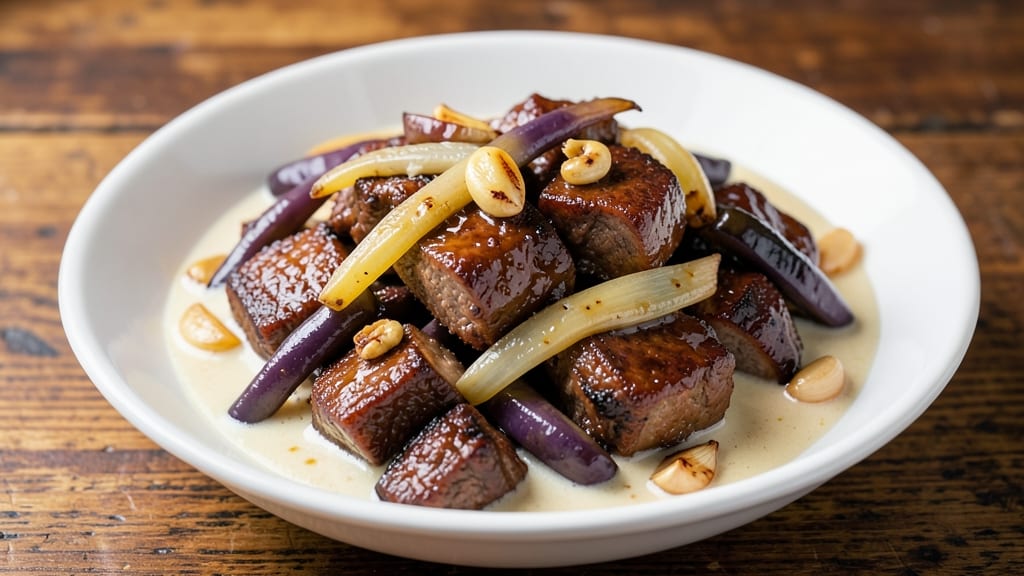
This ampalaya with beef Pinoy recipe delivers the rich, comforting flavors of Filipino home cooking in every hearty bite. The secret lies in slow-cooked beef that melts into tender perfection, paired with silky eggplant that soaks up the savory-sweet sauce.
I've perfected this dish over years of testing, ensuring the beef stays juicy while the eggplant becomes velvety—just like your lola used to make.
The beauty of this recipe is its simplicity: a few key ingredients transform into a restaurant-worthy stew. You'll start with beef that simmers until fork-tender, then add ampalaya (Filipino eggplant) that absorbs the aromatic sauce without turning mushy.
The sauce itself is where the magic happens—a balance of soy sauce, vinegar, and garlic that creates depth while keeping the dish approachable for weeknight dinners.
What you'll end up with is a dish that's as satisfying as it is flavorful: tender beef that falls apart at the touch of a fork, eggplant so soft it practically dissolves, and a sauce that's rich yet bright.
The aroma alone will have everyone gathering around the table, and the first bite delivers that perfect harmony of savory, sweet, and umami that defines Filipino comfort food.
This recipe serves 4-6 and comes together in about 1 hour 15 minutes, with most of that time being hands-off simmering. Perfect for family meals, potlucks, or when you want to recreate the flavors of home. Let's get cooking!
Ingredients for ampalaya with beef pinoy
Simple ingredients that pack a flavor punch—just like your lola used to make.
| Ingredient | Amount | Notes |
|---|---|---|
| Beef Chuck Roast 🥩 | 2 lb | Cut into 1.5-inch cubes |
| Ampalaya (Filipino Eggplant) 🍆 | 2 lb | Whole, unpeeled, cut into chunks |
| Yellow Onions 🧅 | 2 whole | Thinly sliced |
| Garlic Cloves 🧄 | 8 cloves | Minced |
| Coconut Milk 🥥 | 1 can | 13.5 oz can, full-fat preferred |
| Soy Sauce 🍶 | ½ cup | Regular or dark soy sauce |
| Cane Vinegar 🍋 | ¼ cup | White vinegar works too |
| Tomatoes 🍅 | 2 whole | Medium, quartered |
| Bay Leaves 🌿 | 2 whole | Dried |
| Salt 🧂 | 1 ½ tsp | Kosher or sea salt |
| Black Peppercorns 🌶️ | 1 tsp | Freshly cracked |
| Cooking Oil 🫒 | 2 tbsp | Vegetable or canola oil |
| Green Onions 🧅 | 4 whole | Chopped, for garnish |
The beef is where the magic happens. Chuck roast is perfect—it stays tender while absorbing all those rich flavors. Grab the pre-cubed version from the meat counter to save time, or ask them to cut it for you. Ampalaya (Filipino eggplant) is key—it's bigger and silkier than regular eggplant. Filipino markets usually carry it fresh, but if you can't find it, regular eggplant works in a pinch (just add 10 minutes to cooking time). The garlic and onions? Fresh is non-negotiable—they're the base of that aromatic sauce. Toast your garlic for 30 seconds in the oil before adding to bring out the flavor.
No coconut milk? Full-fat evaporated milk gives a similar richness, though the flavor won't be quite the same. Running low on soy sauce? Soy sauce substitute (like coconut aminos) works, but add a pinch of sugar to balance. Vinegar substitute? Lemon juice at half the amount. The tomatoes can be canned (drained) if fresh aren't available—just crush them by hand for that homemade touch. Bay leaves are easy to find in the spice aisle, but if you don't have any, a sprig of fresh thyme works too. And that cooking oil? Whatever you've got is fine—don't stress about the brand.
This stew tastes even better the next day—make a double batch if you can. Keeps in the fridge for 4-5 days in an airtight container, or freeze for 3 months. I like to portion it into containers so I can grab a lunch for work. The eggplant gets softer with time, so if you're serving it right away, hold off on adding the ampalaya until the last 10 minutes of cooking. And those green onions? Save half for garnish—they add a fresh pop of color that makes the dish look restaurant-worthy.
Why You'll Love This Recipe
- One-Pot Magic: This recipe lives in a single pot—no chopping boards full of mess, no extra pans to wash. Toss in the beef, ampalaya, onions, and garlic, then let the coconut milk work its creamy magic while you sip your coffee.
- Deep Umami Hug: That beef chuck roast? It turns tender in the rich coconut sauce, while the ampalaya soaks up all the savory goodness—almost like a cozy blanket for your taste buds. Honestly, the first bite makes me forget about takeout menus.
- Leftovers That Beg: Between us, this dish tastes even better the next day. The flavors meld into something heartier, and reheating it in the microwave (or better yet, the oven) turns it into a lazy Sunday lunch. My freezer’s always got a container of this stashed.
- Budget-Friendly Feast: You’re getting real beef, not mystery meat, and ampalaya stretches across multiple meals without breaking the bank. Plus, coconut milk adds luxury without the grocery-shocking price tag. It’s the kind of dish that makes frugal cooking feel indulgent.
Step-by-step instructions for ampalaya with beef Pinoy recipe
This rich Filipino stew delivers melt-in-your-mouth beef and silky eggplant—let's build it layer by layer.
Sear the Beef Cubes for Deep Flavor
Heat the 2 tablespoons cooking oil in a large Dutch oven over medium-high heat until shimmering. Add the 2 pounds beef chuck roast, cut into 1.5-inch cubes, in a single layer. Let them sear undisturbed for 3-4 minutes until deep golden brown on all sides.
This initial searing creates a flavorful crust that won't dissolve during cooking. I like to work in batches if needed—don't crowd the pan or the beef will steam instead of brown. Once all pieces are nicely browned, transfer them to a plate and set aside temporarily.
Sauté Aromatics Until Fragrant
In the same Dutch oven, add the 2 whole yellow onions, sliced thinly, and cook for 5 minutes until softened and just beginning to caramelize. Add the 8 cloves minced garlic and cook for another 30 seconds until the aroma fills your kitchen—this is when the garlic releases its full flavor potential.
Stir in the 2 whole tomatoes, quartered, and cook for 2 minutes until they break down slightly. Add the 2 whole bay leaves, 1.5 teaspoons salt, and 1 teaspoon black peppercorns, crushing them lightly between your palms first to release their oils. This aromatic base forms the flavor foundation of the stew.
Simmer the Ampalaya Until Tender
Add the 2 pounds ampalaya (Filipino eggplant), cut into chunks, to the Dutch oven. Pour in the 0.5 cup soy sauce and 0.25 cup cane vinegar, then add enough water to just cover the ingredients—about 3 cups. Bring to a gentle simmer over medium heat and cook for 15 minutes until the eggplant becomes fork-tender.
Here's the thing—Filipino eggplant needs gentle treatment. If the water level drops too much, add a splash more. You want the eggplant to be silky when pierced with a fork, not mushy. The acidity from the vinegar helps break down its fibrous texture while preserving its natural sweetness.
Build the Creamy Coconut Base
Stir in the 1 can coconut milk and bring the mixture to a gentle simmer again. Return the seared beef cubes to the pot and add the 2 tablespoons cooking oil you set aside earlier. Cover and simmer for 45-60 minutes over low heat, stirring occasionally, until the beef is fork-tender.
This slow cooking phase is where all the flavors meld together. The coconut milk infuses the beef with its rich creaminess while the eggplant absorbs all those savory notes. I check for doneness by piercing the largest beef cube—it should fall apart easily. If it's not quite there after 60 minutes, give it another 15 minutes.
Finish and Garnish for Serving
Remove the 2 bay leaves and discard them. Taste the stew and adjust seasoning if needed—you might want to add a bit more soy sauce for saltiness or a splash of vinegar for acidity. Stir in the 4 whole green onions, chopped, just before serving to keep them bright and fresh.
This hearty stew tastes even better the next day as the flavors continue to develop. Serve it with steamed rice to soak up all that delicious sauce. The combination of tender beef, silky eggplant, and creamy coconut milk makes this dish a true comfort food classic.
Pro Tips For Making Ampalaya With Beef Pinoy
- SEAR THE BEEF FIRST: Don’t skip browning that chuck roast—high heat for 5-7 minutes on each side until deep caramel forms. I learned this the hard way: skipping the sear means flavorless beef swimming in coconut milk. The Maillard reaction here isn’t just for show; it’s what makes the dish sing.
- PEEL AMPALAYA THINLY: Use a sharp knife and slice the ampalaya’s skin like you’re peeling an apple—thin enough to remove the tough outer layer but thick enough to keep the flesh intact. Thick strips? They’ll stay bitter and undercooked. (Yes, even if you’re impatient like me.)
- SIMMER LOW AND SLOW: After adding coconut milk, drop the heat to a bare simmer—just small, occasional bubbles. I used to boil it aggressively, and the ampalaya turned mushy while the beef stayed tough. This isn’t a race; let it work its magic for at least 45 minutes.
- SAVE TIME WITH FROZEN GARLIC: Minced frozen garlic works just as well as fresh here—no chopping, no mess, and it toasts right in the pan with the onions. I skip fresh now unless I’m feeling fancy, and the flavor’s identical. (Your future self will thank you.)
Regional styles of these flavors
Visayan-Style Ampalaya
In the Visayas region, this dish often includes shrimp paste (bagoong) for a funkier, umami-rich depth. I like adding 1 tablespoon bagoong alamang when sautéing the aromatics—it gives that signature Visayan tang and saltiness.
The eggplant here is sometimes pre-cooked in saltwater for 10 minutes before adding to the stew, creating an even silkier texture. 🌶️
Manila Classic
The Manila version keeps it simpler with a focus on the beef and eggplant harmony. Here, the sauce leans slightly sweeter, often including 1 tablespoon brown sugar when adding the soy sauce and vinegar.
Some versions also add 1 tablespoon calamansi juice at the end for that bright Filipino citrus note. The beef is typically cut into slightly smaller 1-inch cubes to ensure faster tenderness.
Bicolano Twist
In Bicol, you'll find this dish with coconut milk thickened with cornstarch for a glossier finish. I make a slurry with 1 tablespoon cornstarch mixed with 2 tablespoons water and stir it into the simmering stew during the final 5 minutes of cooking.
This version also often includes 1 sliced hot chili pepper for subtle heat that pairs beautifully with the coconut creaminess.
Northern Luzon Adaptation
Up north, they often use pork shoulder instead of beef—it's more affordable and stays tender with the long cooking time. The eggplant is sometimes replaced with local bitter gourd (ampalaya) varieties that are less bitter but equally silky.
For extra richness, they add 1/4 cup grated coconut meat directly to the stew during the final 15 minutes of simmering.
Modern Filipino Fusion
For a contemporary take, some chefs add 1/2 cup diced bell peppers for color and a touch of sweetness, or 1/4 cup chopped cilantro at the end for freshness.
I've seen versions with 1/2 cup pineapple chunks added during the last 10 minutes of cooking to balance the richness with tropical brightness. The key is keeping the traditional base while adding modern twists that still honor the dish's roots. ✨
Pampanga Regional
In Pampanga, they take this dish to another level by adding 1/2 cup crushed peanuts at the end for crunch and nutty depth. The beef is often marinated in 1/4 cup soy sauce and 1 tablespoon calamansi juice for 30 minutes before cooking, giving it an extra layer of flavor.
The sauce here is slightly thicker, almost like a curry, thanks to an additional 1/4 cup tomato paste added with the coconut milk.
Nutrition facts
Frequently asked questions
Can I substitute regular eggplant for ampalaya in this recipe?
Yes, but expect different results! Regular eggplant has tougher skin and more bitterness. For best results, use 2 pounds regular eggplant and add 1 extra tablespoon soy sauce to balance flavors. Cook it 10 minutes longer (about 25 minutes total) since it's denser. The texture will be slightly firmer but still delicious.
How do I make this dish less bitter?
The bitterness comes from the ampalaya and vinegar. To reduce it, soak the eggplant chunks in cold water for 10 minutes before cooking, then drain well. Also try reducing vinegar to 2 tablespoons instead of 1/4 cup, or add 1 tablespoon brown sugar when combining soy sauce and vinegar. The coconut milk helps mask bitterness naturally.
Can I make this recipe in an Instant Pot?
Sauté the beef and aromatics as directed, then add all ingredients except coconut milk. Cook on high pressure for 30 minutes, then quick-release. Stir in coconut milk and simmer for 5 minutes on sauté mode. The beef will be tender but the eggplant may be slightly softer - add it only 10 minutes before the end for best texture.
What's the best way to reheat leftovers?
Reheat gently in a saucepan over low heat with 2 tablespoons water to prevent drying. Cover and warm for 5-7 minutes, stirring occasionally. For microwave reheating, cover with a damp paper towel and heat in 1-minute intervals on medium power. The sauce will thicken slightly when reheated - add a splash of water if needed.
Why did my beef turn out tough instead of tender?
Tough beef usually means one of two things: either the beef wasn't seared properly (needs 3-4 minutes per side until brown), or it didn't simmer long enough. For 2 pounds beef, you need at least 45-60 minutes of simmering time. Also check your heat level - it should be a gentle simmer, not a rolling boil, which can make the beef tough.