
Soups & Stews
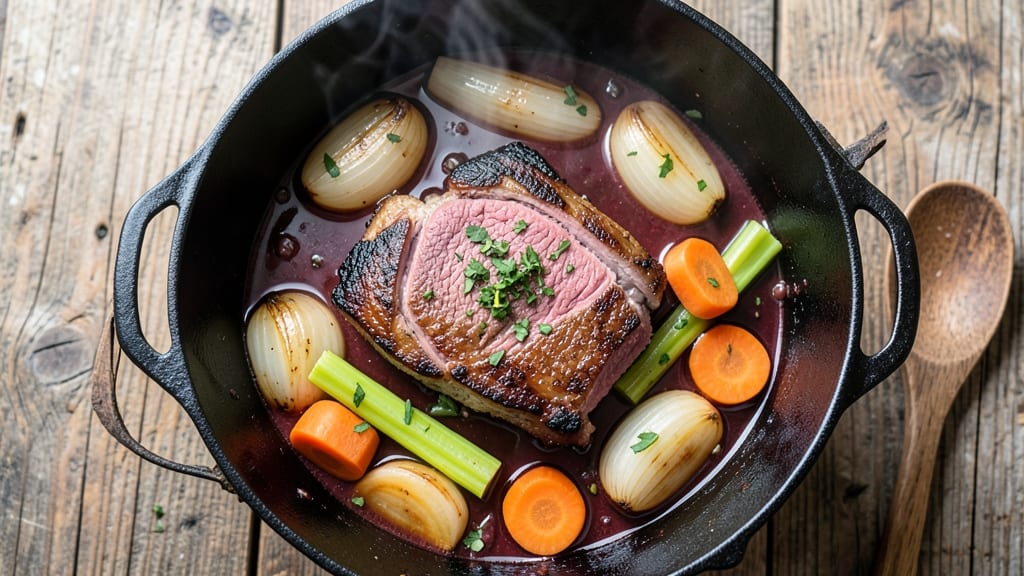
This American beef stew recipe delivers hearty comfort in every spoonful, with deep red wine and caramelized vegetables transforming tough cuts into melt-in-your-mouth perfection. The secret lies in slow simmering—where rich beef broth, aromatic herbs, and tender root vegetables meld into a velvety, deeply flavorful stew that warms both body and soul. I've perfected this technique over years of testing, ensuring the meat stays tender while developing layers of savory depth.
What sets this recipe apart is the balance of techniques: searing the beef creates a flavorful crust, while degreasing the pan captures all those precious browned bits that form the stew's foundation.
The red wine adds complexity, cutting through the richness while enhancing the beef's natural umami. Caramelized onions and root vegetables add sweetness and texture, making each bite satisfyingly hearty.
The result is a stew so rich and comforting it becomes the centerpiece of any meal—whether served with crusty bread to soak up every last drop or alongside roasted potatoes for a complete dinner.
The aroma alone will have everyone gathering around the table, while the first taste delivers that perfect harmony of tender beef, caramelized vegetables, and aromatic broth.
This recipe is designed for weeknight dinners but becomes a showstopper for gatherings. The long simmering time (about 3 hours) transforms simple ingredients into something extraordinary, proving that patience in the kitchen yields the most rewarding results. Let's create a stew that tastes like home.
Ingredients for american beef stew
Sixteen ingredients crafting a symphony of savory depth and velvety richness in this American classic.
| Ingredient | Amount | Notes |
|---|---|---|
| Chuck Roast Beef 🥩 | 3 lb | Tough cut, well-marbled for tenderness |
| Red Wine 🍷 | 1 ½ cups | Bold dry variety like Cabernet Sauvignon |
| Beef Broth 💧 | 4 cups | Homemade or high-quality store-bought |
| Yellow Onions 🧅 | 2 whole | Sliced into thin half-moons |
| Carrots 🥕 | 4 whole | Cut into 1-inch chunks |
| Celery Stalks 🧄 | 4 whole | Cut into 1-inch pieces |
| Garlic Cloves 🧄 | 6 cloves | Minced for aromatic depth |
| Tomato Paste 🍅 | 2 tbsp | For concentrated umami |
| Fresh Thyme 🌿 | 2 sprigs | Stems removed, leaves intact |
| Fresh Rosemary 🌿 | 1 sprig | Needle-like leaves only |
| Bay Leaves 🍃 | 2 whole | Dried, for subtle earthiness |
| All-Purpose Flour 🌾 | 2 tbsp | For thickening the stew |
| Olive Oil 🫒 | 2 tbsp | Extra-virgin for searing |
| Kosher Salt 🧂 | 1 ½ tsp | Diamond Crystal preferred |
| Ground Black Pepper 🌶️ | 1 tsp | Freshly cracked for heat |
The chuck roast is non-negotiable here—its marbling ensures melt-in-your-mouth tenderness after hours of slow braising. Costco or Whole Foods carry excellent cuts, but any reputable butcher will have it pre-cut for convenience. Look for pieces with visible fat marbling, as this renders down during cooking to keep the meat moist. The red wine should be bold and dry—Cabernet Sauvignon or Merlot work perfectly, but avoid sweet varieties that will cloy the dish. For the beef broth, Homemade or high-end brands like Kettle & Fire elevate the flavor, though a pinch of extra salt can compensate for store-bought versions.
No red wine on hand? Beef broth with 1 tbsp balsamic vinegar mimics the acidity and depth, though purists will notice the difference. The tomato paste can be substituted with 1 cup crushed tomatoes if preferred, though it will dilute the stew slightly. Fresh herbs are ideal, but dried thyme at one-third the amount works in a pinch. For the carrots and celery, baby versions save chopping time without sacrificing texture. The garlic should be peeled and minced finely—this is where the aromatic magic happens, so don't skip it.
This stew tastes even better the next day as flavors meld, so make a double batch if feeding a crowd. Store in airtight containers in the fridge for 4-5 days or freeze for up to 3 months. For reheating, simmer gently on the stove with a splash of broth to restore richness. The crusty bread you'll serve alongside? Store-bought baguettes work perfectly—no need for homemade when the stew is the star.
Why You'll Love This Recipe
- One-Pot Magic: I swear by this—just dump everything in a Dutch oven, let it simmer, and walk away. No fancy techniques, no stressing over multiple pans. That rich red wine and beef broth do all the work while you sip your coffee or scroll through your phone.
- Deep, Rich Taste: Between us, the slow braise turns tough chuck roast into melt-in-your-mouth perfection. The onions caramelize just enough to add sweetness, while the carrots stay tender-crisp. Honestly? It tastes like a hug in a bowl—especially when the wine reduces into a glossy, savory sauce.
- Leftovers for Days: This stew actually gets better the next day. I make a double batch on Sundays because it reheats like a dream and turns into my go-to lunch for the week. (Yes, even on a Tuesday night when I’m too tired to cook.)
- Budget-Friendly Feast: A chuck roast stretches farther than you’d think, and the veggies keep it hearty without breaking the bank. I’ll be real: this is my secret weapon for feeding a crowd without sacrificing flavor—or my wallet. Plus, the wine makes it feel fancy, even if it’s just weeknight dinner.
Step-by-step instructions for American beef stew
A rich, deep-red wine braise that transforms tough chuck roast into tender perfection with caramelized root vegetables.
Sear the Chuck Roast for Deep Flavor
Pat the 3 lb chuck roast beef completely dry with paper towels—this ensures a proper sear. Heat 2 tablespoons olive oil in a large Dutch oven over medium-high heat until shimmering. Place the beef in the pot, fat-side down, and sear undisturbed for 8-10 minutes until a deep golden-brown crust forms.
Flip the beef and sear the other side for another 6-8 minutes. The goal is to develop a rich, caramelized crust that locks in flavor and moisture. Remove the beef and set it aside on a plate—it will continue cooking in the braising liquid later. The seared beef should release easily from the pot when ready to flip.
Build the Aromatic Base
In the same Dutch oven, reduce the heat to medium and add 2 whole yellow onions, sliced into thin half-moons. Cook for 8-10 minutes, stirring occasionally, until the onions soften and begin to caramelize along the edges. Add 4 whole carrots, cut into 1-inch chunks, and 4 whole celery stalks, cut into 1-inch pieces, cooking for another 5 minutes until the vegetables soften slightly.
Stir in 6 cloves minced garlic and cook for 30 seconds until fragrant—this prevents the garlic from burning, which would make the stew bitter. Add 2 tablespoons tomato paste and cook for 1 minute, stirring constantly, to deepen the umami flavor. This step forms the flavor foundation for the entire stew.
Deglaze and Develop the Braising Liquid
Pour in 1.5 cups red wine and scrape up any browned bits from the bottom of the pot with a wooden spoon—this deglazing step captures all the concentrated flavors that would otherwise burn. Let the wine simmer for 3-4 minutes until it reduces by about half, intensifying its flavor. Add 4 cups beef broth, 2 sprigs fresh thyme, 1 sprig fresh rosemary, and 2 whole bay leaves, stirring to combine.
Return the seared chuck roast to the pot, along with 1.5 teaspoons kosher salt and 1 teaspoon ground black pepper. Bring the liquid to a gentle simmer, then reduce the heat to low to maintain a bare simmer. Cover the pot with a tight-fitting lid and let the stew cook for 2 hours, ensuring the liquid remains at a gentle simmer throughout.
Thicken and Finish the Stew
After 2 hours, remove the lid and increase the heat to medium. Sprinkle 2 tablespoons all-purpose flour over the stew and stir vigorously for 1-2 minutes until the flour is fully incorporated and the stew begins to thicken. This step ensures a rich, velvety consistency without making the stew gluey.
Taste the stew and adjust the seasoning if needed—add more salt or pepper as necessary. The stew should be tender and rich, with the beef easily shredding with a fork. If the stew is too thick, add a splash of water or broth to reach your desired consistency. Let the stew simmer uncovered for an additional 10-15 minutes to allow the flavors to meld and deepen.
Rest and Serve for Maximum Tenderness
Remove the stew from heat and let it rest, covered, for 15-20 minutes. This resting period allows the juices to redistribute throughout the beef, ensuring each bite is moist and flavorful. Skim off any excess fat that has risen to the surface if desired.
Ladle the stew into bowls, garnishing each serving with a sprig of fresh thyme or rosemary for a touch of elegance. Serve immediately with crusty bread or over mashed potatoes to soak up the rich, flavorful braising liquid. The stew should be deeply aromatic, with layers of red wine, caramelized vegetables, and tender beef that falls apart effortlessly.
Pro Tips For Making American Beef Stew
- Sear the Chuck Hard: I learned this the hard way—skipping the sear means flavorless stew. Get that roast deep brown in a hot pan with oil before adding wine; the crust locks in juices and builds depth. (Yes, even if you're impatient like me.)
- Cut Onions Like a Pro: Slice those yellow onions into even ¼-inch rounds—no thick slabs. They’ll soften faster and blend into the stew instead of sitting like chewy chunks. (Your future self will notice the difference.)
- Don’t Boil the Wine: After deglazing with red wine, simmer gently until reduced by half. Boiling it off too fast turns it bitter and wastes alcohol’s caramelizing magic. Keep heat low—this isn’t a race.
- Salt the Broth Early: Add half the salt to the beef broth at the start, not at the end. The flavors meld better, and you’ll avoid the "meh" taste of over-salting after everything’s cooked. (I know, it feels counterintuitive.)
Flavor customization for this recipe
Spicy Kick
Add 1-2 teaspoons of smoked paprika or ½ teaspoon cayenne pepper during the searing step to introduce heat. For a smoky depth, try ½ teaspoon chipotle powder—it blends beautifully with the red wine. I like to add it with the tomato paste for even distribution. 🌶️
If you prefer a milder heat, swap cayenne for 1 teaspoon of Aleppo pepper—it delivers a gentle warmth with a fruity undertone. Always taste as you go, especially when adding wine, since alcohol can mute spice intensity.
Sweet & Tangy Twist
Balance the richness with 2 tablespoons of balsamic vinegar added during the deglazing step. The acidity brightens the stew while caramelizing slightly, creating a glossy, tangy-sweet contrast. I also add 1 tablespoon of brown sugar at this stage to deepen the flavor profile.
For a fruitier touch, stir in ½ cup of crushed pineapple or peach slices during the final 15 minutes of cooking. The natural sweetness complements the beef beautifully, especially with a splash of orange liqueur like Cointreau.
Herb Variations
Swap out thyme and rosemary for 2 sprigs of fresh tarragon and 1 sprig of fresh parsley for a more delicate, slightly anise-like flavor. This works especially well with white wine instead of red. I’ve also used 1 teaspoon of dried marjoram for a citrusy, slightly floral note.
For a Mediterranean twist, add 1 teaspoon of dried oregano and ½ teaspoon of cinnamon during the braising phase. The cinnamon adds warmth, while oregano brings earthy depth—perfect for serving with crusty pita bread.
Umami Boosters
Deepening the umami is key for a restaurant-quality stew. Stir in 1 tablespoon of soy sauce or 1 teaspoon of fish sauce during the final 30 minutes of cooking.
These ingredients add complexity without overpowering the beef’s natural flavor. I also like to add 1 teaspoon of Worcestershire sauce for a tangy, savory punch.
For a vegetarian-friendly umami boost, add 1 tablespoon of mushroom powder or 2 tablespoons of nutritional yeast when thickening the stew. These work surprisingly well and add a meaty depth without animal products.
Creamy Finish
For a velvety texture, stir in ½ cup of heavy cream or ½ cup of coconut milk during the final 10 minutes of cooking. This adds richness and smooths out the stew’s consistency. I recommend reducing the flour to 1 tablespoon to avoid a gluey texture.
For a lighter option, blend ½ cup of the stew with ¼ cup of Greek yogurt and stir it back in. This creates a silky, tangy finish that brightens the dish without adding heaviness.
Garnish with a dollop of yogurt and a sprinkle of toasted sesame seeds for a modern twist.
Nutrition facts
Frequently asked questions
Can I use a different cut of beef for this stew?
While chuck roast is ideal for its marbling and tenderness, you can substitute with brisket or stew meat (like round or chuck). Avoid lean cuts like sirloin—fat is essential for flavor and moisture. If using brisket, cut it into 1.5-inch cubes for even cooking. The total cooking time may vary slightly, so check doneness after 2 hours.
Why does my stew taste watery after simmering?
Watery stews usually happen from one of three issues: too much liquid (reduce by ½ cup next time), not enough thickening (use 3 tbsp flour instead of 2), or overcooking (beef should simmer 2-2.5 hours max). For instant fixes, simmer uncovered for 10-15 minutes to evaporate excess liquid, or mix 1 tbsp cornstarch with water and stir in.
Can I make this stew in a slow cooker?
Yes! Brown the beef first in a skillet, then transfer everything to the slow cooker. Cook on low for 8 hours or high for 5 hours. Add flour during the last 30 minutes to thicken. The slow cooker method is perfect for hands-off prep, though the Dutch oven version delivers deeper caramelization. For best results, use 3 cups broth instead of 4 to prevent wateriness.
How do I store and reheat leftovers?
Store in airtight containers in the fridge for 4-5 days or freeze for up to 3 months. Reheat gently on the stove over medium-low heat, stirring occasionally and adding 1-2 tbsp broth or water to restore richness. Never microwave—it creates a gluey texture. For best flavor, reheat only what you'll serve immediately.
What's the best way to serve this stew?
This hearty stew pairs perfectly with crusty bread (like baguettes) for soaking up the broth, or alongside mashed potatoes and steamed greens for a complete meal. For a rustic touch, serve with buttered egg noodles or polenta. Garnish with fresh parsley and a sprinkle of grated Parmesan for extra depth.