
Main Courses
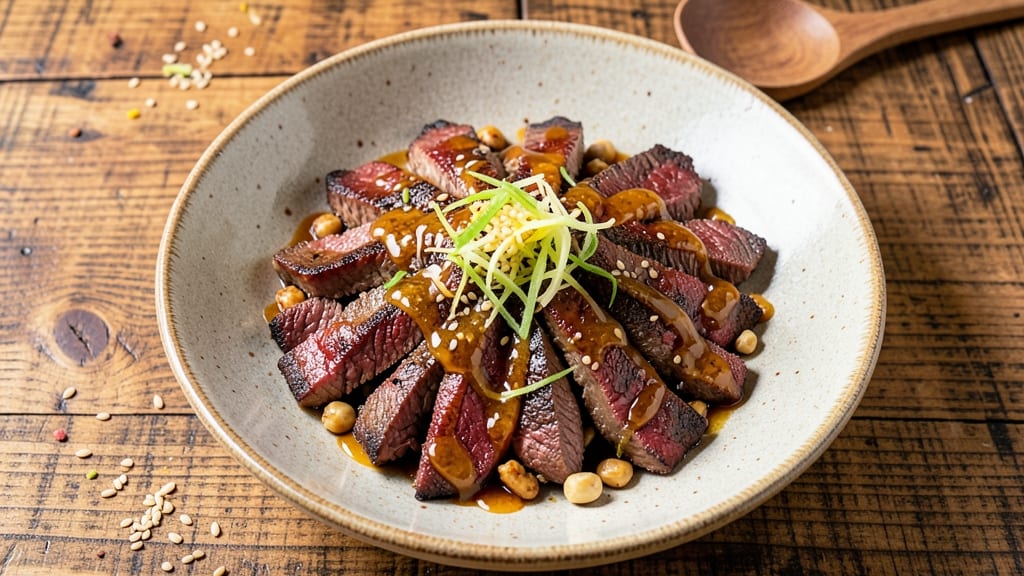
This Alberta ginger beef recipe transforms simple ingredients into a restaurant-quality stir-fry that balances sweet, spicy, and umami flavors perfectly. The secret lies in marinating the beef for at least 30 minutes—ginger, soy sauce, and a touch of honey create tender, flavor-packed bites that caramelize beautifully in the wok.
I developed this dish after craving something bold yet approachable, and it quickly became a weeknight staple that impresses even skeptical eaters.
The dish delivers on both texture and taste: crispy edges on the beef contrast with tender centers, while the wok-fried noodles add a satisfying crunch. Fresh vegetables like bell peppers and snap peas cut through the richness, and a quick sauce made from leftover marinade ties everything together.
This recipe proves you don’t need fancy techniques to create a dish that feels like a home-cooked version of a favorite Chinese-Canadian restaurant.
What makes this recipe stand out is its flexibility—swap in broccoli or mushrooms for the vegetables, or adjust the heat level with extra chili flakes. The sweet-spiced marinade works equally well with flank steak or sirloin, and the noodles can be swapped for rice if preferred.
The result is a hearty, flavorful meal that’s ready in under 45 minutes, perfect for feeding a family or meal prepping for busy weeks.
Serve this Alberta ginger beef over steamed rice or with warm tortillas for dipping, and don’t forget the garnish—sesame seeds and sliced green onions add freshness and crunch. The aroma alone will have everyone at the table asking for seconds. Let’s get cooking!
Ingredients for alberta ginger beef
Restaurant-quality stir-fry magic starts with these 15 bold, balanced ingredients.
| Ingredient | Amount | Notes |
|---|---|---|
| Flank Steak 🥩 | 1 ¼ lb | Thinly sliced against grain |
| Fresh Ginger Root 🌿 | ½ cup | Finely grated, aromatic |
| Soy Sauce 🥄 | ½ cup | Low-sodium preferred |
| Honey 🍯 | 2 tbsp | Wildflower for floral notes |
| Sesame Oil 🫒 | 1 tbsp | Toasted, for aroma |
| Garlic Cloves 🧄 | 6 cloves | Minced, fresh preferred |
| Red Bell Pepper 🌶️ | 1 whole | Thinly sliced, seeds removed |
| Snap Peas 🌱 | 1 ½ cups | Trimmed, fresh or frozen |
| Egg Noodles 🍜 | 8 oz | Fresh or dried, medium width |
| Vegetable Oil 🫒 | ½ cup | High smoke point |
| Green Onions 🧅 | 4 whole | Sliced, white and green parts |
| Toasted Sesame Seeds 🥜 | 2 tbsp | For garnish |
| Red Chili Flakes 🌶️ | 1 tsp | Adjust for heat preference |
| Kosher Salt 🧂 | 1 ½ tsp | Diamond Crystal preferred |
| Black Pepper 🌶️ | ½ tsp | Freshly cracked |
The flank steak is non-negotiable for this dish—its lean yet tender texture caramelizes perfectly when sliced thinly against the grain. Costco or Whole Foods carry high-quality cuts, but any reputable butcher will trim and package it for you. Look for bright red, well-marbled meat—this ensures juiciness. Fresh ginger is a must; pre-grated loses its punch quickly, so invest in a microplane for maximum flavor extraction. The soy sauce should be light or low-sodium to avoid over-salting the marinade, and Kikkoman or Lee Kum Kee are reliable brands. For the honey, wildflower varieties add subtle floral notes that complement the ginger beautifully.
No flank steak? Sirloin or ribeye work in a pinch, but slice them thinner than usual. Substituting dried ginger for fresh? Use half the amount—it’s less potent. The red bell pepper can be swapped for yellow or orange for color variation, but red holds up best during stir-frying. Snap peas are ideal, but sugar snap peas or frozen peas (thawed) maintain the dish’s crunch. For the egg noodles, fresh is ideal, but dried noodles (like Martini or Barilla) work perfectly—just cook them al dente. The sesame oil used in the marinade is different from the cooking oil; toasted sesame oil (like Kadoya) adds aroma, while vegetable oil (like Mazola) handles high-heat frying. If you’re sensitive to gluten, rice noodles are a great alternative.
Marinated beef keeps 3 days in the fridge—use an airtight container to preserve flavors. The grated ginger can be prepped ahead and stored in an airtight jar for up to 1 week, but its potency fades over time. Cooked noodles reheat beautifully; toss with a splash of water or oil to prevent drying. For meal prep, store components separately: raw beef, cooked noodles, and sauce assemble fresh for maximum crunch. The dish reheats best in a skillet or wok over medium heat—just add a splash of water to deglaze. Garnishes like sesame seeds and green onions can be added fresh before serving to maintain their vibrant color.
Why You'll Love This Recipe
- No Fuss, Big Payoff: I swear by this one—just slice the steak thin, toss it in a bowl with grated ginger, soy, and honey, then let it marinate while I chop veggies for stir-fry. The sesame oil finishes it off with zero effort, but wow does it taste like you slaved over it.
- Sweet Heat Balance: That ginger isn’t just for show—it’s sweet from the honey, spicy from the fresh root, and umami from the soy. The sesame oil ties it all together in this perfect bite: sticky, caramelized edges with a juicy center. My picky eaters actually ask for seconds.
- Weeknight to Date Night: Throw it on the grill for summer BBQs, serve it cold in wraps for a quick lunch, or dress it up with broccoli and rice for a fancy dinner. Honestly, I’ve made this for takeout nights, potlucks, and even my boyfriend’s “I have a meeting” dinners. It works everywhere.
- Leftovers That Don’t Suck: Most beef dishes dry out after day two, but this? It gets better. The flavors meld overnight, and reheating it with a splash of water keeps it tender. I batch-cook this for the freezer—just thaw and toss in a pan. My lazy Sunday mornings thank me.
Step-by-step instructions for Alberta ginger beef
Master this wok technique for tender beef, vibrant vegetables, and perfectly al dente noodles.
Prepare the Marinated Beef
Slice the 1.25 lb flank steak thinly against the grain into ¼-inch strips. This ensures maximum tenderness when cooked. In a medium bowl, combine the sliced beef with the 0.5 cup finely grated fresh ginger root, 0.5 cup soy sauce, 2 tbsp honey, 1 tbsp toasted sesame oil, 6 minced garlic cloves, 1.5 tsp kosher salt, and 0.5 tsp black pepper. Mix thoroughly to coat the beef evenly.
Cover the bowl and refrigerate for at least 30 minutes (up to 2 hours for deeper flavor). The acidity from the soy sauce and ginger will begin breaking down the meat fibers, while the honey adds natural sweetness that caramelizes beautifully during cooking. This marinade creates the perfect balance of sweet, spicy, and umami flavors that define Alberta-style ginger beef.
Cook the Beef to Perfect Tenderness
Heat a wok or large skillet over high heat until smoking, then add 0.5 cup vegetable oil. Once the oil shimmers, add half of the marinated beef in a single layer, spreading it out evenly. Cook undisturbed for 1-2 minutes until the edges begin to brown and the beef releases easily from the pan.
Using a spatula, stir the beef and cook for an additional 2-3 minutes until it reaches 145°F internally and develops a glossy sheen. Remove the beef and set aside, then repeat with the remaining beef. The high heat ensures a quick sear while maintaining juiciness. If the oil isn't hot enough, the beef will steam instead of sear, resulting in a less flavorful dish.
Stir-Fry the Vegetables and Noodles
In the same wok, add 1 tbsp vegetable oil and stir-fry the 1 whole red bell pepper (sliced) and 1.5 cups snap peas over high heat for 3-4 minutes until the vegetables soften but retain their vibrant color and crisp texture. Add the 6 minced garlic cloves and 1 tsp red chili flakes, cooking for an additional 30 seconds until fragrant.
Push the vegetables to one side of the wok and add 8 oz egg noodles to the empty space. Stir-fry for 1-2 minutes until the noodles begin to soften. Pour in ½ cup hot water from the kettle and toss everything together for 1-2 minutes until the noodles are al dente and the vegetables are tender-crisp. The residual heat from the wok will finish cooking the noodles perfectly without making them mushy.
Combine and Finish with Aromatics
Return the cooked beef to the wok and combine with the vegetables and noodles. Drizzle with any remaining marinade from the bowl and toss everything together for 1-2 minutes until well-coated. The beef will absorb the remaining flavors, creating a cohesive dish with balanced sweetness, spice, and umami.
Remove from heat and stir in the 4 sliced green onions and 2 tbsp toasted sesame seeds. Garnish each serving with an additional sprinkle of sesame seeds for texture and aroma. Serve immediately while the noodles are hot and the beef remains tender. This dish is best enjoyed fresh, as the flavors meld together beautifully when everything is piping hot.
Pro Tips For Making Alberta Ginger Beef
- Slice Against the Grain: The flank steak’s stubborn fibers will fight you—cut it before cooking into ½-inch strips, always against the grain. I used to ignore this and ended up with chewy bites that made me question my life choices.
- Char the Ginger First: Peel and slice that ginger root into matchsticks, then toss it in a dry pan for 30 seconds until fragrant and slightly browned. This draws out its sharpness and adds a smoky depth the raw version can’t match—trust me, it’s worth the extra 30 seconds.
- Low and Slow for Soy: Don’t let the soy sauce boil—simmer the sauce (soy, honey, sesame oil) on low heat until it thickens to a glossy coat. I learned this after one disaster where the sauce turned into a sticky glaze that stuck to the pan like regret.
- Rest the Meat Twice: Give the steak a 5-minute rest before slicing, then another 5 minutes after cooking. The first rest keeps it from shrinking into a tough pucker, and the second lets the juices redistribute—yes, even if you’re starving and impatient.
Perfect pairings for this dish
Classic Side Pairings
Steamed jasmine rice is my go-to side—its delicate floral notes complement the ginger's sharpness while soaking up the sweet-saucy beef. Cook 1 cup uncooked rice with 1.5 cups water and ½ tsp salt for perfectly fluffy grains.
For extra flair, top with a sprinkle of toasted sesame seeds and a drizzle of soy sauce before serving. 🍚
If you prefer heartier options, garlic butter noodles elevate the dish further. Toss cooked 8 oz spaghetti with 2 tbsp melted butter, 3 minced garlic cloves, and 1 tbsp chopped parsley. The richness balances the stir-fry’s bold flavors beautifully.
Fresh Vegetable Boosts
Add a crisp cucumber salad to cut through the richness. Toss 1 sliced cucumber with 1 tbsp rice vinegar, ½ tsp sugar, and ½ tsp salt.
The cool, refreshing crunch contrasts the warm, spicy beef perfectly. For extra protein, fold in ¼ cup shredded carrots and 2 tbsp chopped cilantro.
For a quick side, steamed bok choy with a splash of oyster sauce adds umami depth. Blanch 2 heads bok choy for 2 minutes, then drizzle with 1 tsp oyster sauce and ½ tsp sesame oil.
The bright green color and slight bitterness pair wonderfully with the ginger beef.
Dipping Sauces
A simple ginger-soy dipping sauce ties everything together. Mix 2 tbsp soy sauce, 1 tbsp honey, 1 tsp grated ginger, and ½ tsp rice vinegar. Thin with 1 tsp water if needed.
Serve warm for maximum flavor impact—it’s perfect for scooping up noodles or dipping tortilla chips if you’re serving this as a taco-style dish. 🥄
For a spicy kick, blend 2 tbsp hoisin sauce, 1 tsp sriracha, and 1 tsp lime juice into a quick sauce. The sweetness of hoisin balances the heat, making it a crowd-pleaser for those who love a little extra zing.
Beverage Pairings
A crisp green tea like jasmine or sencha cleanses the palate between bites. The floral notes echo the ginger in the beef, while the tea’s astringency cuts through the richness. Serve chilled for a refreshing contrast to the warm dish. 🍵
For beer lovers, a light lager such as Corona or Heineken works beautifully. The effervescence and mild bitterness complement the sweet-spicy flavors without overpowering them. Avoid heavy stouts or IPAs—they’ll clash with the dish’s delicate balance.
Nutrition facts
Frequently asked questions
Can I use a different cut of beef instead of flank steak?
For this recipe, sirloin or ribeye work well, but slice them thinner than usual—about ⅛-inch thick instead of ¼-inch. The key is cutting against the grain to ensure tenderness. Avoid tougher cuts like chuck or round, as they won’t hold up well in the stir-fry.
How do I adjust the heat level in this recipe?
For milder heat, reduce the red chili flakes to ½ teaspoon or omit them entirely. For extra spice, add ½ teaspoon of sriracha to the marinade or sprinkle 1 teaspoon of cayenne pepper over the cooked beef. Always taste as you go—ginger beef balances well with heat, so don’t be afraid to experiment!
Can I make this dish ahead of time?
Yes, but with a few adjustments. Marinate the beef for up to 2 hours ahead, then refrigerate it uncovered for 15 minutes before cooking to prevent sogginess. Cook the beef and vegetables separately, then store them in airtight containers. Reheat everything in a wok or skillet over medium-high heat for 2-3 minutes, adding a splash of water to revive the noodles. Garnish fresh before serving.
What’s the best way to slice flank steak for stir-fry?
Slice the steak against the grain into ¼-inch strips for maximum tenderness. Freeze the steak for 30 minutes first to firm it up, then slice while frozen for cleaner cuts. Use a sharp knife and cut at a 45-degree angle for even strips. The grain runs lengthwise, so look for the muscle fibers and cut perpendicular to them.
Can I substitute the egg noodles for rice?
Yes! Use 1.5 cups uncooked jasmine or basmati rice instead of noodles. Cook the rice separately and serve it as a base for the stir-fried beef and vegetables. For extra flavor, stir 1 teaspoon sesame oil and ½ teaspoon soy sauce into the cooked rice. The texture will be different but equally satisfying—just adjust portion sizes to account for rice’s lower volume.