
Side Dishes
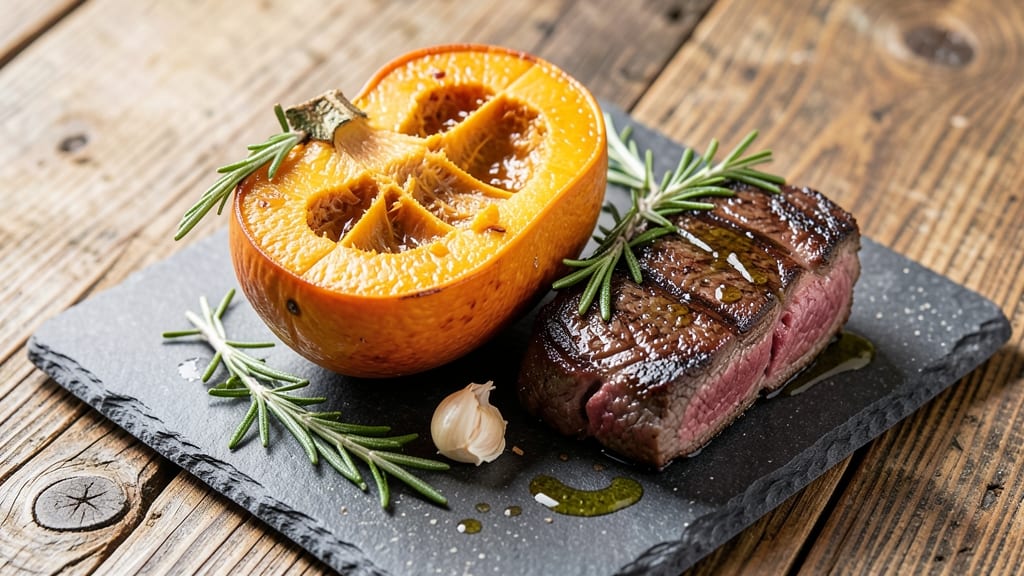
This acorn squash beef recipe transforms humble ingredients into a restaurant-worthy centerpiece that balances sweet caramelized squash with herb-crusted beef so rich it disappears in every bite.
The secret lies in roasting the squash until its natural sugars turn into a velvety glaze while searing the beef to lock in juices—two techniques that work in perfect harmony.
I developed this dish after years of experimenting with fall flavors, and it’s become a staple for Thanksgiving and holiday gatherings where I want something special without the fuss.
The beauty of this recipe is its versatility—it works as a standalone main dish or pairs beautifully with crusty bread and a simple green salad. The beef gets its signature crust from a blend of Dijon mustard, rosemary, and garlic, which adds depth without overpowering the squash’s natural sweetness.
Meanwhile, the acorn squash roasts until tender with a caramelized exterior, creating a textural contrast that makes every forkful exciting. No fancy equipment is needed, just a baking sheet and a skillet.
What you’ll end up with is a dish that’s elegant yet approachable, where the sweetness of the squash and the savory richness of the beef play off each other in perfect balance. The aroma alone—warm squash, roasted herbs, and seared beef—will have everyone gathered around the table.
This is the kind of meal that feels like a celebration, even on a weeknight. Ready to impress? Let’s get started.
For those who love leftovers, this dish reheats beautifully, making it ideal for meal prep or holiday feasts. The flavors only deepen as the squash and beef meld together over time.
Whether you’re cooking for a crowd or treating yourself to a cozy dinner, this recipe delivers bold flavors with minimal effort. Here’s how to make it happen.
Ingredients for acorn squash beef
Sweet squash meets savory beef with just 14 ingredients—elegant yet effortless.
| Ingredient | Amount | Notes |
|---|---|---|
| Acorn Squash 🎃 | 1 whole | Medium-sized, halved lengthwise |
| Ribeye Steak 🥩 | 1 ½ lb | 1-inch thick, trimmed of fat |
| Dijon Mustard 🧄 | 2 tbsp | High-quality for herb crust |
| Fresh Rosemary 🌿 | ¼ cup | Chopped, stems removed |
| Garlic Cloves 🧄 | 4 cloves | Minced for herb crust |
| Extra-Virgin Olive Oil 🫒 | ¼ cup | For roasting and searing |
| Brown Sugar 🍯 | 1 tbsp | Lightly packed for caramelization |
| Kosher Salt 🧂 | 1 ½ tsp | Diamond Crystal preferred |
| Fresh Thyme 🌿 | 1 tbsp | Chopped, leaves only |
| Black Peppercorns 🌶️ | ½ tsp | Freshly cracked |
| Balsamic Vinegar 🍷 | 1 tbsp | For drizzling after roasting |
| Crusty Bread 🍞 | 1 package | For serving, optional |
| Arugula 🌱 | 2 cups | Baby leaves for salad |
| Lemon Wedges 🍋 | 2 whole | For serving |
The acorn squash is the star here, so pick one that feels heavy for its size—that means it's packed with sweet flesh. I always grab mine from Whole Foods or the produce section at Trader Joe's—their organic selection has the best flavor. For the beef, ribeye with good marbling is non-negotiable. It should be at least 1-inch thick for that perfect sear. If you're buying pre-sliced steaks, check the package date—freshness matters for that herb crust to stick. The rosemary and thyme should smell vibrant, not musty. Penzeys bulk section is my go-to for fresh herbs that last longer.
No Dijon mustard? Whole-grain mustard thinned with water works in a pinch. Short on fresh herbs? Dried rosemary at half the amount gets you close, but the flavor won't be as bright. The steak can be swapped for New York strip if you prefer, but ribeye's fat content makes it ideal for this crust. For the squash, if you can't find acorn, butternut works too—just reduce roasting time by 10 minutes. The balsamic vinegar is optional but adds that restaurant-worthy finish. Trader Joe's has a great organic version that's perfect for this.
Roasted squash keeps for 5 days in the fridge, wrapped tightly in foil. The steak is best served immediately, but you can reheat slices in a skillet for 2-3 minutes if needed. I always make extra squash—it reheats beautifully and pairs perfectly with the steak the next day. For meal prep, portion the squash into containers with a drizzle of olive oil and store it separately from the steak. The arugula stays fresh for 3 days in a sealed container with a paper towel. Lemon wedges? Use them within 2 days for peak freshness.
Why You'll Love This Recipe
- One-Pan Magic: The acorn squash roasts right alongside the steak—no flipping pans, no mess. I just slice the squash, toss it with olive oil and rosemary, and let the oven do the work while I sear the ribeye. Honestly, the cleanup is so minimal I’ll often just wipe the pan with a napkin and call it a day.
- Rich, Earthy Crunch: That caramelized squash with the buttery ribeye? It’s like fall in a plate. The Dijon mustard adds a tangy kick that cuts through the richness, while the garlic and rosemary make every bite smell like a cozy Sunday dinner. Between us, I’ve had people ask for the recipe after one forkful.
- Weeknight or Weekend Star: This dish works whether you’re rushing to feed the family on a Tuesday or hosting a dinner party. Double the squash for leftovers that reheat beautifully, or serve it as-is for a restaurant-worthy meal. I’ll be real: my daughter’s friends have texted me asking for the recipe after trying it.
- Budget-Friendly Luxury: Ribeye feels fancy, but here’s the trick—one steak feeds four when paired with squash. The squash itself is cheap, filling, and packed with nutrients, so you’re getting a hearty, satisfying meal without breaking the bank. Not the prettiest, but the taste makes up for it every time.
Step-by-step instructions for sweet roasted squash with herb-crusted steak
Here's how to balance caramelized squash with perfectly seared beef—every detail matters.
Roast the Acorn Squash Until Tender and Caramelized
Preheat your oven to 400°F and line a baking sheet with parchment paper. Cut the 1 whole acorn squash lengthwise into halves, scoop out and discard the seeds, then score the flesh in a crosshatch pattern about ½-inch deep. This creates channels for the caramelized sugars to pool.
Brush the cut sides generously with 2 tablespoons of the extra-virgin olive oil, then sprinkle evenly with 1 tablespoon brown sugar and 1 teaspoon kosher salt. Roast for 35-40 minutes until the flesh is fork-tender and the edges are deeply caramelized—you'll see golden pools of syrup in the scored lines. Real talk: don't skip the scoring. It transforms the squash from bland to spectacular.
Create the Herb Crust for the Ribeye
While the squash roasts, combine 2 tablespoons Dijon mustard, ¼ cup chopped fresh rosemary, 4 minced garlic cloves, 1 tablespoon chopped fresh thyme, ½ teaspoon freshly cracked black peppercorns, and ½ teaspoon kosher salt in a small bowl. Mix until the herbs are evenly distributed and the mustard forms a thick paste.
Pat the 1.5 lb ribeye steak completely dry with paper towels—this is non-negotiable for a good sear. Spread the herb mixture evenly over both sides of the steak, pressing gently to adhere. Let it sit at room temperature for 15 minutes while you finish prepping. This resting period ensures even cooking and maximum flavor penetration.
Sear the Steak to Perfect Medium-Rare
Heat a cast-iron skillet over high heat until smoking hot. Add 2 tablespoons extra-virgin olive oil and swirl to coat. Place the steak in the pan and sear for 4 minutes without moving it—this builds that glorious crust. Flip carefully and sear the other side for another 3-4 minutes for medium-rare.
For the final touch, add 1 tablespoon balsamic vinegar to the pan and baste the steak with the pan juices for 30 seconds. The vinegar cuts through the richness while adding a subtle tang. Transfer the steak to a cutting board, tent loosely with foil, and let it rest for 10 minutes. This resting period is where the magic happens—juices redistribute for that perfect first bite.
Assemble the Plates with Fresh Components
Slice the roasted squash into ¼-inch thick wedges and arrange two per plate. Top each with two slices of the ribeye steak (about ½-inch thick each). The contrast of sweet caramelized squash against the savory herb-crusted beef is what makes this dish unforgettable.
Toss the 2 cups arugula with a drizzle of the remaining 2 tablespoons extra-virgin olive oil and a squeeze of the 2 lemon wedges. Divide the arugula among the plates, then serve with the crusty bread on the side for soaking up those delicious juices. The acidity from the lemon brightens the whole plate, cutting through both the richness of the steak and the sweetness of the squash.
Pro Tips For Making Acorn Squash Beef
- CRANK THE HEAT FOR SEARING: That ribeye won’t develop crust if your pan’s playing it cool. Get it screaming hot—cast iron or stainless steel—before adding oil, then let the steak sit undisturbed for 2-3 minutes per side. I learned this the hard way when my first attempt yielded a sad, gray slab instead of golden-brown perfection.
- PEEL THAT SQUASH AFTER ROASTING: Acorn squash skin turns tender when roasted, so skip the peeling before baking. Just halve, scoop out seeds, brush flesh with oil, and roast cut-side down. After baking, the skin peels right off—no knife wrestling. (Yes, even if you’re impatient like me.)
- DON’T OVERCROWD THE ROASTING PAN: Piling squash halves too close traps steam and turns them soggy. Space them at least 1 inch apart on the tray, and if your oven’s small, roast in batches. My grandmother swore by this, and she was right: crispy edges on squash make all the difference when paired with juicy steak.
- SALT THE STEAK TWICE: Generously salt the ribeye 40 minutes before cooking, then hit it again right before searing. The first salting seasons deep, while the second guarantees a flavorful crust. (Pro move: Use flaky sea salt—it sticks better than table salt and adds texture.)
Essential equipment for perfect results
Cast-Iron Skillet
The star of your searing game is a heavy-duty cast-iron skillet—I swear by my Lodge 10.25-inch for its even heat distribution and natural non-stick properties when properly seasoned. Preheat it over high heat until it's smoking hot before adding your steak.
This ensures that perfect crust on the ribeye. If you don’t have cast iron, a stainless steel skillet works too, but you’ll need to monitor the heat more closely to avoid sticking.
Baking Sheet
A rimmed baking sheet with parchment paper is essential for roasting the acorn squash. The rim keeps the juices contained, and the parchment prevents sticking while allowing the squash to caramelize beautifully. I use a half-sheet pan (18x13 inches) for even heat circulation.
Pro tip: Score the squash flesh in a crosshatch pattern to create pockets for the caramelized sugars—this is what makes the dish shine. 🎃
Measuring Tools
Precision matters, especially with ingredients like brown sugar and Dijon mustard. A small kitchen scale (like the OXO Good Grips) is my go-to for accurate measurements, but if you’re measuring by volume, use a stainless steel measuring spoons set—they’re durable and won’t rust.
For herbs like rosemary and thyme, I chop them finely with a sharp chef’s knife and measure by volume in a 1-cup measuring cup for consistency.
Tongs and Tongs
You’ll need two pairs of tongs—one for flipping the steak and another for handling the squash. I use heavy-duty silicone-coated tongs (like Nordic Ware) for the steak to avoid crushing the herb crust, and stainless steel tongs for the squash.
Keep one pair near the skillet and the other by the baking sheet to streamline the cooking process. Trust me, juggling one pair is a recipe for disaster when you’re searing and roasting simultaneously. 🔥
Cutting Board
A large, stable cutting board (I prefer 12x18 inches) is a must for prepping the squash and slicing the steak. I use a plastic board for squash to avoid dulling my knife, and a wooden board for the steak to keep it from sliding.
A sharp chef’s knife (like Wüsthof) and a boning knife for trimming the steak fat make all the difference. Keep your board clean and dry to prevent slipping while you work.
Thermometer
While not strictly necessary, a meat thermometer (like the ThermoWorks Smoke) ensures your steak reaches the perfect medium-rare temperature of 130-135°F internal. Insert it into the thickest part of the steak—don’t touch the bone or fat.
For the squash, a thermometer isn’t needed, but if you’re curious, aim for 185°F in the center for fork-tender flesh. It’s a small investment that takes the guesswork out of cooking. ⚡
Nutrition facts
Frequently asked questions
Can I substitute acorn squash with butternut?
Yes, butternut squash works beautifully as a substitute! Just reduce the roasting time by 10 minutes (to 25-30 minutes) since butternut has a softer texture. The flavor will be slightly milder, but the caramelization effect remains just as impressive. For best results, use a medium-sized butternut squash and score it similarly to create those delicious syrup pockets.
How do I adjust the recipe for a larger crowd?
For 6-8 servings, double all ingredients except the steak—use 2.5 lbs ribeye and increase the squash to 2 whole halves. Roast both squash halves on the same baking sheet if it fits, or use a second sheet. The herb crust mixture should be doubled too, and you may need to sear the steak in batches. Keep the resting time the same for each batch.
What's the best way to reheat leftovers?
Reheat the steak slices in a skillet over medium heat for 2-3 minutes per side to maintain tenderness. For the squash, warm it in the oven at 350°F for 10-15 minutes covered with foil. The squash reheats beautifully and pairs perfectly with the steak the next day. Never microwave the steak—it makes it tough and dry.
Can I make this dish ahead of time?
Roast the squash 1 day ahead and store it wrapped in foil. For the steak, you can prep the herb crust mixture up to 24 hours in advance and store it in the fridge. On serving day, simply sear the steak fresh and assemble the plates. The flavors actually improve when the squash has time to develop its caramelized sweetness overnight.
Why does my herb crust keep falling off the steak?
This usually happens when the steak isn't properly dried before applying the crust. Pat it completely dry with paper towels, and let it sit at room temperature for 15 minutes before searing. Also, make sure your Dijon mustard paste is thick enough to stick—if it's too runny, add a pinch more salt to help it adhere better.