
Sauces & Condiments
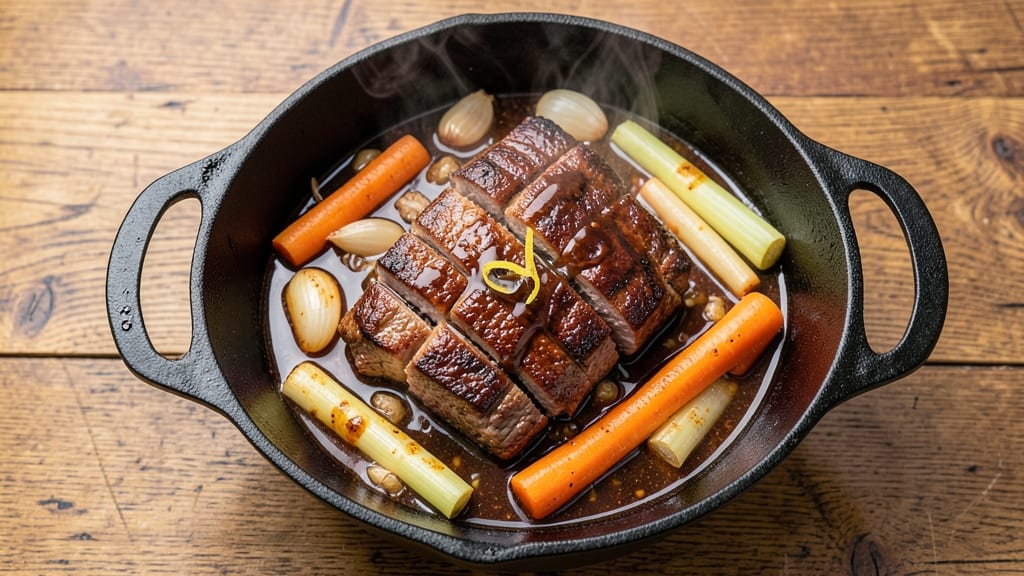
A1 Steak Sauce Beef Stew recipe transforms tough cuts into melt-in-your-mouth perfection with its signature deep umami flavor. This dish builds layers of richness through slow braising, where caramelized root vegetables and tender beef create a hearty, satisfying meal that feels like a restaurant-quality experience.
The A1 sauce ties everything together with its signature tangy-sweet balance, elevating simple ingredients into something extraordinary.
What sets this stew apart is the technique: browning the beef deeply before adding liquids locks in flavor, while the long simmer breaks down connective tissue for fork-tender results. The caramelized onions and root vegetables add natural sweetness that complements the A1 sauce beautifully.
This isn't just a stew—it's a comforting, flavor-packed meal that's perfect for cold evenings or gatherings with family.
The final result is a deeply aromatic stew with a glossy, appetizing surface that reveals tender beef chunks swimming in a velvety sauce. Each bite delivers perfect harmony between the rich beef, sweet vegetables, and the distinctive flavor of A1 Steak Sauce.
The aroma alone will have everyone anticipating dinner, and the first spoonful will confirm why this becomes a regular on your menu.
Serve with crusty bread for soaking up every last drop of that flavorful sauce, or alongside mashed potatoes for the ultimate comfort food experience. The versatility of this recipe makes it ideal for meal prep—it tastes even better the next day as flavors continue to meld.
Here's how to create this restaurant-worthy beef stew at home.
Ingredients for a1 steak sauce beef stew
Sixteen ingredients, six servings of restaurant-worthy beef stew with bold umami depth.
| Ingredient | Amount | Notes |
|---|---|---|
| Beef Chuck Roast 🥩 | 3 lb | Tough cut for braising, cut into 1.5-inch cubes |
| Yellow Onions 🧅 | 2 whole | Thickly sliced for caramelization |
| Carrots 🥕 | 4 whole | Peeled and cut into 2-inch chunks |
| Celery Stalks 🌿 | 4 whole | Diced, including leaves for flavor |
| Garlic Cloves 🧄 | 6 cloves | Crushed for deep aromatic infusion |
| A1 Steak Sauce 🍖 | ½ cup | Original A1 sauce for signature tang |
| Beef Broth 💧 | 4 cups | Low-sodium preferred for balance |
| Red Wine 🍷 | 1 cup | Bold dry red like Cabernet Sauvignon |
| Tomato Paste 🍅 | 2 tbsp | For rich, concentrated depth |
| Fresh Thyme 🌿 | ¼ cup | Leaves only, stems removed |
| Fresh Rosemary 🌿 | ⅛ cup | Chopped sprigs for earthy aroma |
| Olive Oil 🫒 | ¼ cup | Extra-virgin for searing |
| All-Purpose Flour 🌾 | 2 tbsp | For coating beef before browning |
| Salt 🧂 | 1 ½ tsp | Kosher salt for seasoning |
| Black Pepper 🌶️ | 1 tsp | Freshly cracked for heat |
The beef is non-negotiable here—chuck roast is your secret weapon, delivering that signature fork-tender texture. Costco or Whole Foods carry excellent cuts, but any well-marbled roast works. Look for good fat distribution, not lean cuts. The A1 sauce? Original A1 Steak Sauce is essential—don't substitute with other steak sauces. For the vegetables, organic carrots and celery from the grocery store's produce section add natural sweetness. Fresh herbs matter too—Trader Joe's often has affordable bundles of thyme and rosemary.
No red wine? Dry sherry or extra beef broth works in a pinch. Fresh thyme unavailable? Dried thyme at one-third the amount keeps the flavor profile. The tomato paste can be swapped for crushed tomatoes at double the volume, though it won't be as concentrated. For the beef, sirloin tips work if chuck isn't available, but they'll be slightly less tender. The flour coating? Cornstarch works too—just use the same amount. And if you're prepping ahead, par-cook the beef and store it separately before completing the braise.
This stew gets better with time—4-5 days in the fridge or 3 months frozen. For freezing, portion into containers with sauce, leaving headspace for expansion. Reheat gently on the stove with a splash of broth to restore richness. The sauce thickens as it cools, so add a splash of water or broth if it seems too thick when reheating. Leftovers reheat beautifully, making this perfect for meal prep. Store in airtight containers to maintain freshness.
Why You'll Love This Recipe
- One-Pot Magic: Honestly, I swear by this recipe because it’s one pan, zero stress. You brown the chuck roast, toss in the onions, carrots, and celery (that classic trio—no one skips it), then let the A1 steak sauce work its savory magic while you sip wine. The garlic? Smash it, don’t chop it—less mess, more flavor.
- Rich Umami Bomb: Between us, the A1 steak sauce turns this stew into something ridiculously deep. That smoky, slightly sweet tang clings to the beef like it’s been slow-cooked for days, even if you’re short on time. The carrots stay crisp, the onions caramelize just enough, and the garlic? Oh, it hits—in the best way.
- Leftovers That Beg for More: I make this stew on Sundays because it actually tastes better the next day. The flavors meld, the beef gets tender, and suddenly you’ve got a week’s worth of lunches that cost next to nothing. Freeze half, reheat it, and no one will guess it’s been sitting in the fridge.
- Budget-Friendly Crowd-Pleaser: A chuck roast stretches for six servings, and the veggies? They’re the cheap, fresh kind you can grab in bulk. Serve it over mashed potatoes, with crusty bread, or straight from the pot—it’s the kind of dish that makes you look like a hero without breaking the bank. (Yes, even on a Tuesday night.)
Step-by-step instructions for A1 steak sauce beef stew
This rich umami braise transforms tough beef into melt-in-your-mouth perfection with caramelized vegetables.
Sear the Beef for Deep Flavor
Pat the 3 lb beef chuck roast dry with paper towels - this ensures maximum browning. Cut it into 1.5-inch cubes as specified in the ingredients. In a large Dutch oven, heat the 0.25 cup olive oil over medium-high heat until shimmering. Working in batches, add the beef cubes and sear for 3-4 minutes per side until deeply browned. This step creates the Maillard reaction that builds complex flavors.
Remove the seared beef and set aside. In the same pot, add the 2 tbsp all-purpose flour and stir constantly for 1 minute to coat the browned bits. This creates a flavorful roux that will thicken our stew later. Don't skip this - it's what makes the sauce velvety instead of watery.
Build Layers of Flavor with Vegetables
Add the 2 whole yellow onions, 4 whole carrots cut into 2-inch chunks, and 4 whole celery stalks diced (including leaves) to the Dutch oven. Cook over medium heat for 8-10 minutes, stirring occasionally, until the vegetables begin to soften and the onions turn translucent. This foundational cooking develops their natural sweetness.
Push the vegetables to the sides of the pot and add the 6 cloves crushed garlic to the center. Cook for 30 seconds until fragrant - don't let it burn. Then stir in the 2 tbsp tomato paste and cook for another 1 minute until it darkens slightly. This paste adds a concentrated depth that balances the acidity of the wine we'll add next.
Deglaze and Simmer the Base
Pour in the 1 cup red wine and scrape up all the browned bits from the bottom of the pot with a wooden spoon. This deglazing captures all the meaty flavors we've built. Let the wine reduce by half - about 3-4 minutes - until it's syrupy and the alcohol has cooked off. Add the 4 cups beef broth and bring to a gentle simmer.
Return the seared beef to the pot along with the 0.25 cup fresh thyme leaves and 0.125 cup chopped fresh rosemary. Stir in the 1.5 tsp salt and 1 tsp black pepper. The stew should come just to a simmer - you want gentle bubbling, not a rolling boil that would make the meat tough. Here's the thing - this initial simmer is where all the flavors meld together.
Braise to Tender Perfection
Cover the Dutch oven and transfer to a preheated 325°F oven. Braise for 2.5-3 hours until the beef is fork-tender and easily pulls apart. I check doneness at the 2-hour mark - the meat should be nearly falling apart but still have a slight resistance. If it's not quite there, add ½ cup hot water and continue cooking.
About 30 minutes before the stew is done, stir in the 0.5 cup A1 steak sauce. This is when the signature tang comes into play - it cuts through the richness and adds that unmistakable umami depth. The sauce should be fully incorporated by the end of the cooking time. The beef should be so tender that it practically melts when you press it with a fork.
Finish and Serve with Umami Richness
Remove the stew from the oven and let it rest for 10 minutes. This resting period allows the juices to redistribute throughout the meat. Skim any excess fat from the surface if desired - though I like to leave some for flavor. Taste and adjust seasoning if needed, adding more salt or pepper as necessary.
Ladle the stew into bowls, making sure each serving gets generous amounts of beef, vegetables, and that rich sauce. The finished stew should have a velvety texture with tender beef that practically dissolves on your tongue. Each bite should deliver layers of caramelized vegetables, deep umami from the A1 sauce, and the complexity of the wine and herbs. Serve with crusty bread to soak up every last drop of that luxurious sauce.
Pro Tips For Making A1 Steak Sauce Beef Stew
- Sear the Chuck First: I learned this the hard way—skipping the sear means flavorless stew. Pat that beef chuck dry, crank the heat to medium-high, and walk away for 3-4 minutes per side until it’s deep brown. That crust locks in juices and makes the A1 sauce cling better later. (Yes, even if you’re impatient like me.)
- Cut Onions Like a Pro: My grandmother swore by this: slice yellow onions into ¼-inch half-moons instead of chopping them finely. They’ll soften without disappearing into the stew, and you’ll actually taste them alongside the A1’s smoky kick. No need for fancy knives—just stay consistent.
- Deglaze with A1 Early: After browning the beef, splash in ½ cup of beef broth and scrape up those browned bits before adding the A1 sauce. That caramelized goodness dissolves into the sauce, giving it a richer, deeper flavor. Skip this, and you’re missing out on half the taste.
- Simmer Low and Slow: This isn’t a 30-minute meal—cover the pot and let it bubble gently at 200°F (93°C) for at least 2.5 hours. I know, I know, but trust the process. The chuck needs time to fall apart, and the A1 sauce will meld into the broth instead of turning bitter. (Your future self will thank you.)
Flavor customization for these flavors
Classic A1 Tang
The signature ½ cup A1 Steak Sauce should be added during the final 30 minutes of cooking to preserve its bright, tangy flavor. I like to stir it in gradually, letting it meld with the beef and vegetables rather than overwhelming them.
The sauce's molasses-based sweetness balances the acidity beautifully, creating that perfect umami depth. 🍖
Spicy Kick Option
For heat lovers, add 1 tablespoon hot sauce (like Tabasco) or ½ teaspoon cayenne pepper when incorporating the A1 sauce. The heat complements the sauce's tanginess while adding complexity. Start with less—you can always adjust—but don’t overdo it, or the sauce’s delicate balance will be lost.
Smoky Depth Addition
Swap out ½ cup of the beef broth for ½ cup smoked paprika-infused broth (simmer 1 teaspoon smoked paprika in the broth for 5 minutes before adding).
This adds a subtle smokiness that pairs wonderfully with the A1 sauce’s richness, giving the stew a BBQ-inspired twist without overpowering the original flavors.
Herb Variations
Swap the thyme and rosemary for 1 teaspoon dried oregano and ½ teaspoon crushed bay leaves for a Mediterranean twist. The earthy notes of oregano enhance the A1 sauce’s depth, while bay leaves add a subtle floral aroma.
Alternatively, add 1 sprig fresh sage for a more rustic, European-inspired flavor profile.
Sweet-Savory Balance
Add 1 tablespoon brown sugar or 1 teaspoon maple syrup when incorporating the A1 sauce to deepen the caramelization of the vegetables. This subtle sweetness enhances the sauce’s molasses notes, creating a more complex, layered flavor. The sweetness is barely noticeable but amplifies the overall richness of the stew.
Umami Boost
For an extra umami punch, stir in 1 tablespoon soy sauce or ½ teaspoon fish sauce along with the A1 sauce. These additions amplify the sauce’s depth without altering its signature tang.
The soy sauce also adds a slight saltiness, reducing the need for extra salt later. This works especially well if you prefer a bolder, more savory stew.
Nutrition facts
Frequently asked questions
Can I substitute A1 steak sauce with another sauce?
The tangy-sweet balance of A1 sauce is key to this recipe, but you can use ½ cup Worcestershire sauce or ½ cup soy sauce in a pinch. For best results, add a pinch of smoked paprika to mimic the sauce's depth. Just remember, A1's unique molasses and vinegar blend gives it that signature tang that other sauces can't fully replicate.
How long can I keep this beef stew in the fridge?
This stew tastes even better after 2-3 days in the fridge when flavors fully meld. Store in an airtight container and keep it submerged in its sauce to prevent drying. For maximum freshness, consume within 4-5 days. The sauce may thicken slightly when chilled—just add a splash of broth when reheating.
Why is my stew still tough after 3 hours?
Tough beef usually means either the oven temperature was too high (should be 325°F) or the beef wasn't properly seared first. For next time, ensure you're cooking at a gentle simmer, not a boil, and check your oven temperature with a thermometer. Also, make sure your beef is cut into 1.5-inch cubes—smaller pieces cook faster but may dry out.
Can I make this stew in a slow cooker?
Brown the beef first, then transfer everything to a 6-quart slow cooker. Cook on low for 8 hours or high for 5-6 hours, adding the A1 sauce during the last 30 minutes. The slow cooker method is perfect for hands-off cooking, though the oven version develops deeper caramelization. The texture will be slightly different but still delicious.
What's the best way to reheat leftovers?
Gently reheat on the stove over medium-low heat until just warmed through—never boil, or the sauce will separate. For best texture, add 2-3 tablespoons of beef broth to restore richness. Microwave reheating works too, but stir frequently and cover with a damp paper towel to prevent drying. The stew reheats beautifully, making it ideal for meal prep!